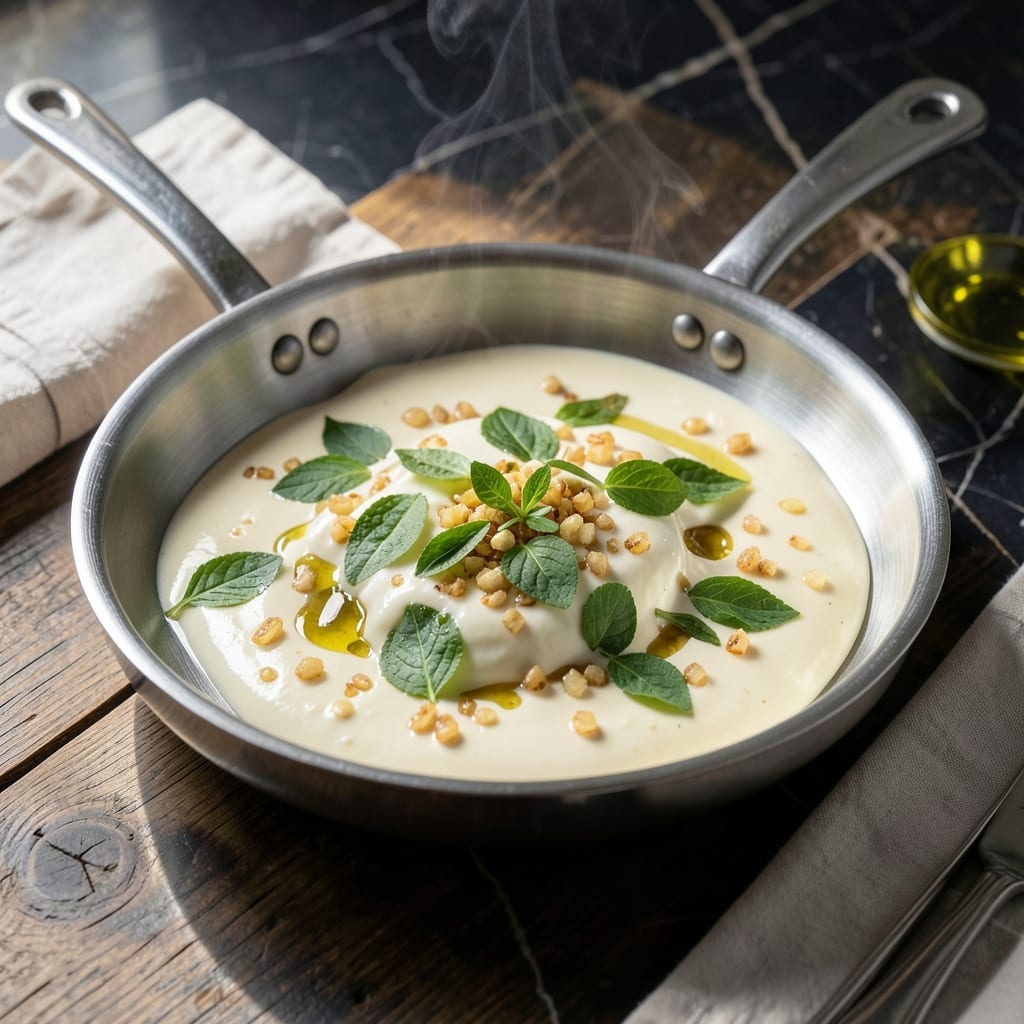
This sauce transforms any dish with its creamy, tarragon-infused elegance. A classic French technique meets modern versatility.
Perfect for seafood, chicken, or vegetables, this recipe delivers restaurant-quality results with simple ingredients and precise method.
Ingredients for Pappadeaux Alexander Sauce
Ten ingredients deliver that signature creamy, tarragon-infused French elegance to any dish.
| Ingredient | Amount | Notes |
|---|---|---|
| Heavy Cream 🥛 | 1 cup | Full-fat for richness |
| Unsalted Butter 🧈 | ½ cup | Cut into tablespoons |
| Dijon Mustard 🟡 | 1 tbsp | Smooth, not grainy |
| White Wine Vinegar 🍷 | 1 tbsp | Or substitute lemon juice |
| Fresh Tarragon Leaves 🌿 | 2 tbsp | Finely chopped, stems removed |
| Shallot 🧅 | 1 whole | Minced finely |
| Dry White Wine 🍷 | ¼ cup | Sauvignon Blanc preferred |
| Chicken Stock 🍲 | ¼ cup | Low-sodium recommended |
| Kosher Salt 🧂 | ½ tsp | Or to taste |
| White Pepper 🌶️ | ¼ tsp | Freshly ground preferred |
[recipe_ingredient_scaler]
The tarragon is non-negotiable here—fresh only, not dried (which loses its delicate anise flavor). Whole Foods or Specialty Produce often carry it, but check the herb section at your local market. The shallot adds subtle sweetness; if unavailable, substitute with half the amount of red onion. For the wine, any crisp dry white works, but Sauvignon Blanc’s acidity balances the cream beautifully.
No white wine? Additional chicken stock with a squeeze of lemon mimics the brightness. Dairy-free? Coconut cream replaces heavy cream with minimal flavor difference. Lacking tarragon? Fresh dill at half the quantity offers a different but complementary profile. The Dijon mustard’s sharpness cuts through the richness—whole-grain mustard adds texture if preferred.
Sauce holds in the fridge for 3 days in an airtight container. Reheat gently on low to avoid separation. Freezing isn’t recommended—dairy can curdle when thawed. Best made fresh for restaurant-quality results.
Why You’ll Love This Recipe
- 5-Minute Magic: Honestly, it’s just melt, whisk, and done—no chopping, no fuss, just butter and cream coming together like they were made for each other.
- Tangy Perfection: The Dijon and white wine vinegar cut through the richness, and that fresh tarragon? It’s the little green flavor bomb that makes every bite sing.
- Dress Up Anything: I drizzle this over grilled chicken, steak, even roasted veggies. Between us, it turns last night’s leftovers into a restaurant-worthy meal.
- Pantry Stable: I always have these staples on hand, so when I need a quick sauce, this is my go-to. No last-minute grocery runs, just creamy, herby goodness in minutes.
Step-by-Step Instructions for Creamy Tarragon Sauce
Master this classic French technique for a velvety sauce perfect for seafood or chicken.
Step 1: Sauté the Shallot Base
Begin by melting the 0.5 cup Unsalted Butter in a heavy saucepan over medium heat. Once foaming subsides, add the minced Shallot and cook for 2-3 minutes until translucent and fragrant, stirring frequently to prevent browning.
The shallot should soften completely but not take on color. This gentle sweating develops the aromatic foundation without introducing bitterness. Watch for the edges to just begin turning glassy—that’s your visual cue to proceed.
Step 2: Deglaze with Wine and Vinegar
Pour in the 0.25 cup Dry White Wine and 1 tbsp White Wine Vinegar, using a wooden spoon to scrape up any browned bits from the pan bottom. Increase heat to medium-high and let the mixture reduce by half, which takes about 3-4 minutes.
You’ll notice the sharp alcohol smell diminishing as the liquid reduces to a syrupy consistency. The vinegar’s acidity balances the richness to come, while the wine adds depth. Stop when the mixture coats the back of a spoon but still flows freely.
Step 3: Build the Creamy Foundation
Reduce heat to medium-low and whisk in the 1 cup Heavy Cream. Simmer gently for 5-7 minutes until the mixture thickens enough to lightly coat a spoon. Avoid boiling, which can cause the cream to separate.
At this stage, the sauce will have a pale ivory color and a velvety texture. The surface should show lazy bubbles at the edges rather than a rolling boil. Stir occasionally, especially at the edges where cream can scorch.
Step 4: Incorporate Aromatics and Seasonings
Whisk in the 1 tbsp Dijon Mustard, 2 tbsp Fresh Tarragon Leaves, 0.25 cup Chicken Stock, 0.5 tsp Kosher Salt, and 0.25 tsp White Pepper. Simmer for an additional 2-3 minutes until the sauce reaches your desired consistency and the tarragon infuses its anise-like aroma.
The mustard adds subtle heat and emulsifies the sauce, while the tarragon provides its signature licorice note. Taste and adjust seasoning—remember the sauce will reduce slightly more as it rests. The finish should be smooth enough to nappe (coat the back of a spoon).
Strain through a fine-mesh sieve if you prefer a perfectly smooth texture, though I often leave the tarragon visible for visual appeal. Serve immediately while warm, as the sauce will thicken further as it cools.
Pro Tips For Making Pappadeaux Alexander Sauce
- Temper the Cream: Slowly whisk the heavy cream into the warm butter-vinegar mixture off the heat—I learned this the hard way after scrambling two batches by adding it all at once.
- Use Fresh Tarragon: Skip the dried stuff; fresh tarragon makes a real difference here, and I’ve found that 1 tablespoon finely chopped is the sweet spot for bright, anise-like flavor without overpowering.
- Watch the Vinegar: Resist the urge to over-reduce the white wine vinegar at the start—it can turn harsh. Just let it simmer until it’s reduced by half, about 2-3 minutes.
- Finish with Cold Butter: After the sauce is off the heat, whisk in 1-2 tablespoons of cold, cubed unsalted butter for a glossy, restaurant-quality finish—sounds weird, but it works.
Essential Equipment for Perfect Results
Heavy Saucepan
Invest in a 2-3 quart heavy-bottomed saucepan with even heat distribution—I swear by my All-Clad Stainless for this recipe. The thick base prevents hot spots that could scorch your cream. Look for one with a tight-fitting lid for potential storage. 🔥
Wooden Spoon
A flat-edged wooden spoon is essential for deglazing and scraping up those flavorful browned bits. The wood won’t scratch your pan or react with acidic ingredients like wine vinegar. I keep mine from a coastal foraging trip just for sauce-making.
Whisk
Use a balloon whisk for smooth emulsion when incorporating the cream and butter. The wide surface area helps incorporate air for that velvety texture. A 10-inch whisk gives you plenty of reach without splashing.
Fine-Mesh Sieve
If you prefer a silky-smooth sauce, strain through a fine-mesh sieve after cooking. This catches any stray tarragon stems or shallot pieces. I use my OXO Good Grips sieve—it fits perfectly over my saucepan.
Ladle or Gravy Boat
For elegant serving, transfer to a gravy boat or use a 4-ounce ladle. The sauce’s richness deserves proper presentation. I love the vintage Le Creuset gravy boat I found at a local market.
Instant-Read Thermometer
Maintain precise control with an instant-read thermometer to monitor your sauce temperature. Keep it below 180°F to prevent separation. My ThermoWorks ThermaPen gives me confidence every time. 🌡️
Nutrition Facts
Frequently Asked Questions
Can I use dried tarragon instead of fresh?
No, fresh tarragon is essential for its delicate anise flavor. Dried loses most of its aroma and can taste bitter. If unavailable, use half the amount of fresh dill as a substitute.
How do I prevent the sauce from separating?
Keep heat at medium-low and avoid boiling. Use a heavy saucepan and whisk constantly when adding cream. If it separates, remove from heat and whisk vigorously to re-emulsify.
What can I serve with this sauce?
It pairs perfectly with grilled fish, poached salmon, or roasted chicken. Also excellent over steamed asparagus or new potatoes. Drizzle lightly—its richness goes a long way.
Can I make this sauce ahead of time?
Yes, but it’s best used within 3 days. Store in an airtight container in the fridge. Reheat gently on low heat, stirring constantly. Do not freeze.

Trained in classic French technique but raised on slow-cooked ribs and spicy rubs, she blends culinary skill with smoke and soul.
- Recipe for Boneless Pork Chops in Cast Iron Skillet: Sear and Baste to Juicy Perfection - October 3, 2026
- Recipe for Boneless Cross Rib Roast: Slow-Roasted Beef with Herb Crust - October 3, 2026
- Hamburgers in Sauce Recipe Crock Pot: Slow-Cooked Savory Delight - October 3, 2026