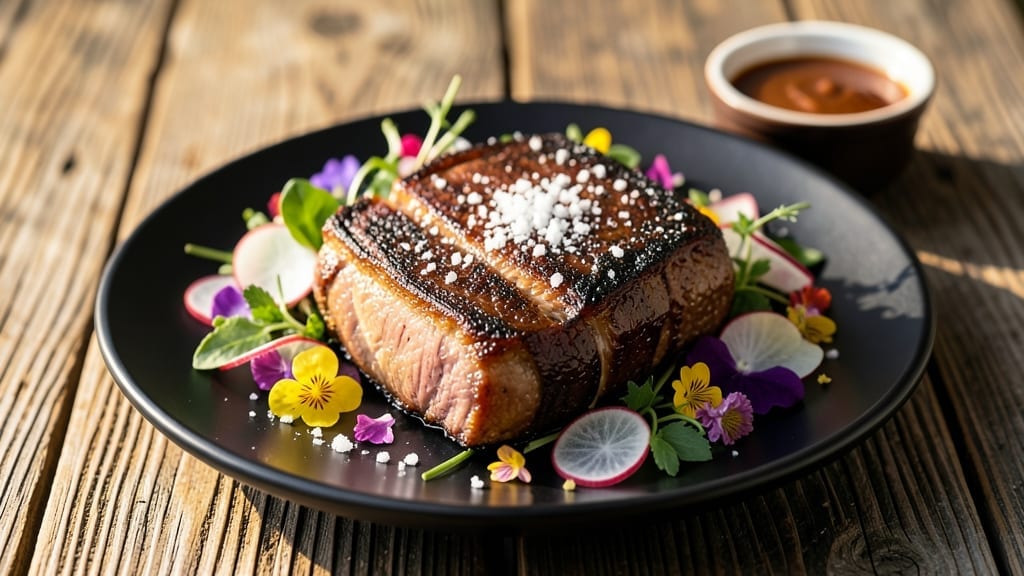
Pressure cooking transforms tough brisket into ultra-tender perfection in just 3 hours—a fraction of the time traditional smoking requires. After years of testing, I’ve perfected a method that delivers restaurant-quality results without the hours of babysitting.
The secret lies in precise temperature control and a well-chosen rub that penetrates deep during the cook.
This recipe starts with a simple yet flavorful dry rub—just salt, pepper, garlic powder, and smoked paprika—that develops a beautiful bark while keeping the meat moist. The pressure cooker’s high heat and steam break down tough fibers, creating melt-in-your-mouth texture without drying out the brisket.
No need for a smoker or slow cooker marathon; this method delivers foolproof tenderness every time.
By the time you’re done, you’ll have brisket so tender it nearly falls apart at the touch, with a crust that’s rich and slightly caramelized.
The aroma alone will have everyone gathering at the table, and the versatility means you can slice it thin for sandwiches or serve thick for a showstopping main course. Pair it with classic sides like pickled vegetables, buttery cornbread, or a tangy BBQ sauce for the full experience.
Whether you’re feeding a crowd or treating yourself to a special meal, this pressure-cooked brisket delivers restaurant-quality results in a fraction of the time. The best part? Leftovers reheat beautifully, making it perfect for meal prep. Let’s get started on this game-changing recipe.
Ingredients for pressure cooked brisket
A simple dry rub and a handful of aromatic ingredients transform tough brisket into melt-in-your-mouth perfection.
| Ingredient | Amount | Notes |
|---|---|---|
| Brisket Point Cut 🥩 | 4 lb | Whole packer cut preferred |
| Kosher Salt 🧂 | 2 tbsp | Diamond Crystal preferred |
| Freshly Ground Black Pepper 🌶️ | 1 ½ tbsp | Coarse grind for texture |
| Garlic Powder 🧄 | 1 ½ tbsp | No added anti-caking agents |
| Smoked Paprika 🌶️ | 1 ½ tbsp | Spanish or Hungarian preferred |
| Onion Powder 🧅 | 1 tbsp | Freshly ground preferred |
| Brown Sugar 🍯 | 1 tbsp | Light or dark preferred |
| Apple Cider Vinegar 🍎 | 2 tbsp | Unfiltered for depth |
| Beef Broth 💧 | 1 ½ cups | Low-sodium preferred |
| Yellow Onion 🧅 | 1 whole | Yellow or white preferred |
| Garlic Cloves 🧄 | 4 cloves | Peeled and smashed |
| Fresh Thyme 🌿 | ½ cup | Leaves only, stems removed |
| Fresh Rosemary 🌿 | ¼ cup | Needles only, finely chopped |
| Butter 🧈 | ½ cup | Unsalted, cold and cubed |
[recipe_ingredient_scaler]
The brisket cut makes all the difference here. Point cut is leaner and cooks faster, but flat cut works too if that’s what you find—just add 30 minutes to the cook time. Grab one from the butcher counter if possible; they’ll often trim it for you. For the spices, Penzeys or bulk bins at natural markets are your best bet—they stay fresher longer. The smoked paprika should smell rich and woodsy, not stale. If you’re using a pre-mixed rub, skip the garlic powder and onion powder and just double the smoked paprika.
No fresh thyme or rosemary? Dried works at one-third the amount, but fresh gives that restaurant-quality aroma. The apple cider vinegar is non-negotiable—it tenderizes the meat while adding depth. Substitute lemon juice in a pinch, but you’ll lose some complexity. For the beef broth, low-sodium is key—you don’t want to over-salt the brisket. The butter at the end? Full-fat, cold, and cubed—it melts into the brisket during the last few minutes, creating that irresistible crust. If you’re short on time, olive oil works too, though it won’t give the same richness.
This brisket reheats like a dream—just slice it thin and warm in a skillet with a splash of broth. Keeps 5-6 days in the fridge, though it’s best within 3 days for maximum tenderness. For leftovers, slice against the grain and store in an airtight container. The rub mixture can be prepped a day ahead—just store it in a sealed container. When you’re ready to cook, simply mix the dry ingredients with the wet and pat onto the brisket. The aroma alone will have everyone gathering at the table.
Why You’ll Love This Recipe
- No-Prep-Required Magic: Honestly, the only prep here is slapping that dry rub on the brisket and letting it sit while you prep the aromatics. No fancy prep work—just a 30-minute wait while the flavors marry. The pressure cooker does all the heavy lifting, and honestly, that’s why I love it.
- Smoky, Herby Perfection: That blend of smoked paprika, garlic powder, and fresh rosemary? It’s like a hug for your taste buds. The apple cider vinegar adds a tangy brightness that cuts through the richness, and that sear with butter? Chef’s kiss. Every bite is packed with depth.
- Feeds a Crowd (or Lunch Meals): This 4-pound brisket isn’t just for big gatherings—it’s perfect for meal prepping. I slice it up and toss it in wraps, salads, or even tacos all week. And if you’re hosting? You’ll have enough leftovers to feed a small army (or at least your roommates for days).
- Budget-Friendly Luxury: Brisket is one of the most affordable cuts, and with the pressure cooker, you’re not wasting time (or energy) on slow-roasting. Plus, that rub is so versatile—use it on chicken, pork, or even roasted veggies later. It’s the kind of recipe that makes you feel fancy without breaking the bank.
Step-by-step instructions for pressure cooked brisket
Here’s how to transform a tough brisket into melt-in-your-mouth perfection using your pressure cooker.
Prepare the Brisket with Dry Rub
Begin by trimming any excess fat from the 4 lb brisket point cut, leaving about ¼-inch layer for flavor and moisture. Pat the meat completely dry with paper towels—this helps the rub adhere and promotes better browning later.
In a small bowl, combine the 2 tbsp kosher salt, 1½ tbsp freshly ground black pepper, 1½ tbsp garlic powder, 1½ tbsp smoked paprika, 1 tbsp onion powder, and 1 tbsp brown sugar. Rub this mixture generously over all sides of the brisket, pressing firmly so the spices penetrate the surface. Let it sit at room temperature for 30 minutes while you prepare the aromatics.
Sear and Layer Aromatics in the Pressure Cooker
Heat your pressure cooker on high until hot, then add the ½ cup cold butter. Once melted, place the brisket fat-side down in the pot and sear for 3-4 minutes until a deep golden crust forms. Flip and sear the other side for another 2-3 minutes. Remove the brisket and set aside temporarily.
In the same pot, add the 1 yellow onion (cut into wedges), 4 smashed garlic cloves, ½ cup fresh thyme, and ¼ cup fresh rosemary. Sear for 2 minutes until the onions soften slightly and release their aroma. Pour in the 2 tbsp apple cider vinegar and scrape up any browned bits from the bottom—this creates flavor depth that infuses into the brisket.
Pressure Cook to Fork-Tender Perfection
Return the brisket to the pot, fat-side up. Pour in the 1½ cups beef broth and secure the lid. Set the pressure cooker to high pressure for 90 minutes. This timing guarantees the brisket reaches an internal temperature of 203°F, where collagen breaks down into gelatin, creating that signature tender texture.
Once cooking completes, allow the pressure to release naturally for 15 minutes before quick-releasing any remaining pressure. This gradual release prevents the meat from becoming tough. The brisket should pull apart easily with two forks, and the juices should run clear when pierced with a meat thermometer.
Rest and Serve with Juices
Transfer the brisket to a cutting board and tent loosely with aluminum foil. Let it rest for 15 minutes—this crucial step allows the juices to redistribute throughout the meat, ensuring every slice remains moist. Skim any excess fat from the cooking liquid in the pot, leaving behind a rich, herb-infused broth.
Slice the brisket against the grain into ½-inch thick pieces. Serve immediately with the reduced cooking juices spooned over the top. The result is a brisket so tender it practically melts in your mouth, with a perfect balance of smoky, herby flavors from the dry rub and aromatic layering.
Pro Tips For Making Pressure Cooked Brisket
- SEAR UNTIL GOLDEN: I used to flip the brisket too soon—now I wait until the fat-side has a deep golden crust (3-4 minutes) before turning. That crust traps flavor and prevents the meat from drying out during pressure cooking. Trust the timer, even if it looks “overdone.”
- SMASH GARLIC PROPERLY: Those 4 cloves of garlic should be peeled and smashed with the flat of your knife—not minced, not chopped. This releases their oils into the butter and onions during the 2-minute sear, adding a depth that pre-ground garlic can’t match. (Yes, it looks messy, but it works.)
- DON’T RUSH THE NATURAL RELEASE: After 90 minutes of pressure, resist the urge to quick-release right away. The 15-minute natural release lets the meat relax—skipping it makes the brisket tougher. I learned this after serving a fork-tender brisket that turned chewy because I got impatient.
- UPGRADE THE BUTTER: Cold, cubed unsalted butter in the pot creates a flavorful crust during searing and keeps the broth rich. If you’re short on time, melt it first—but you’ll lose that golden foam that adds texture. (And no, salted butter won’t work here—the salt alters the rub’s balance.)
Troubleshooting this dish
Pressure Not Building?
If your pressure cooker struggles to build pressure, check for these common culprits. First, ensure the valve is clean—mineral buildup can obstruct airflow. A quick rinse with warm water and a brush often fixes this.
Also, verify the lid seals properly—test it by placing a dollar bill between the lid and pot; if it slides out easily, replace the gasket. Finally, avoid overfilling the pot; the brisket should have at least 2 cups of headspace for proper pressure development. 🔥
Undercooked Brisket
If your brisket isn’t tender enough, it’s likely due to undercooking or insufficient pressure. Double-check that the cook time is 90 minutes at high pressure—any less, and collagen won’t fully break down.
Use a meat thermometer to confirm the internal temp reaches 203°F. If using a stovetop pressure cooker, ensure the heat is consistent and high—fluctuations can stall the process.
Dry or Tough Meat
Dry brisket often stems from over-searing or skipping the rest. Don’t sear longer than 3-4 minutes per side—this can create a tough exterior. After cooking, rest for 15 minutes under foil to redistribute juices.
If the meat still feels dry, add ½ cup extra beef broth during the final 30 minutes of cooking to keep it moist.
Burnt Aromatics
Burnt thyme or rosemary happen when the pot gets too hot during searing. Reduce heat to medium-high after adding aromatics, and sear for only 2 minutes. If you notice browning too quickly, remove the herbs and onions immediately.
For extra flavor without burning, sauté them separately in a pan and add them to the pot later.
Uneven Seasoning
If the rub isn’t sticking or tasting uneven, the issue is often poor adhesion. Pat the brisket completely dry before applying the rub—moisture prevents it from clinging.
Press the spices firmly into the meat, especially along the edges. For extra depth, let the rub sit for 30 minutes before cooking, as mentioned in the recipe.
Pressure Cooker Overfills
Overfilling the pot can cause pressure issues or uneven cooking. The brisket and liquid should occupy no more than 2/3 of the pot’s capacity. If using a 6-quart cooker, stick to 1½ cups broth—any more, and you risk flooding the valve.
Always leave 2 cups of headspace to allow proper pressure buildup and steam circulation. ⚡
Nutrition facts
Frequently asked questions
Why does pressure cooking make brisket so tender?
The pressure cooker creates high heat and steam that breaks down tough collagen fibers in the meat, turning them into gelatin. This process reaches 203°F internally in just 90 minutes, resulting in brisket that practically melts in your mouth. Traditional methods like smoking take hours to achieve the same tenderness!
Can I use a different cut of brisket?
Yes, but adjust the cook time! A flat cut needs 30 extra minutes at high pressure since it’s leaner. Always check for 203°F internal temperature. For best results, stick with the point cut—it’s the most forgiving and flavorful for pressure cooking.
What if my pressure cooker doesn’t have a high-pressure setting?
Most modern pressure cookers have high-pressure as their standard setting. If yours only has low-pressure, increase the cook time to 2 hours to ensure the brisket reaches 203°F. Always use a meat thermometer to verify doneness!
How do I prevent the brisket from drying out?
Never skip the 15-minute rest after cooking—this lets juices redistribute. Also, avoid over-searing (stick to 3-4 minutes per side) and add ½ cup extra broth during the last 30 minutes if the pot looks dry. The ½ cup butter in the searing step also helps lock in moisture!
Can I make this brisket ahead of time?
The brisket keeps 5-6 days in the fridge, though it’s best within 3 days for peak tenderness. Store sliced brisket in an airtight container with the juices. To reheat, warm slices in a skillet with a splash of broth over medium-low heat for 2-3 minutes per side.

Trained in classic French technique but raised on slow-cooked ribs and spicy rubs, she blends culinary skill with smoke and soul.
- Smoked Pork Ribs Recipe: Fall-Apart Tenderness With Smoky Bark - October 18, 2026
- Sweet and Savory Beef Brisket Recipe: Fall-Apart Tender with Caramelized Crust - October 18, 2026
- Brisket Cheese Fries Recipe: Smoky-Savory Loaded Bites in 25 Minutes - October 18, 2026