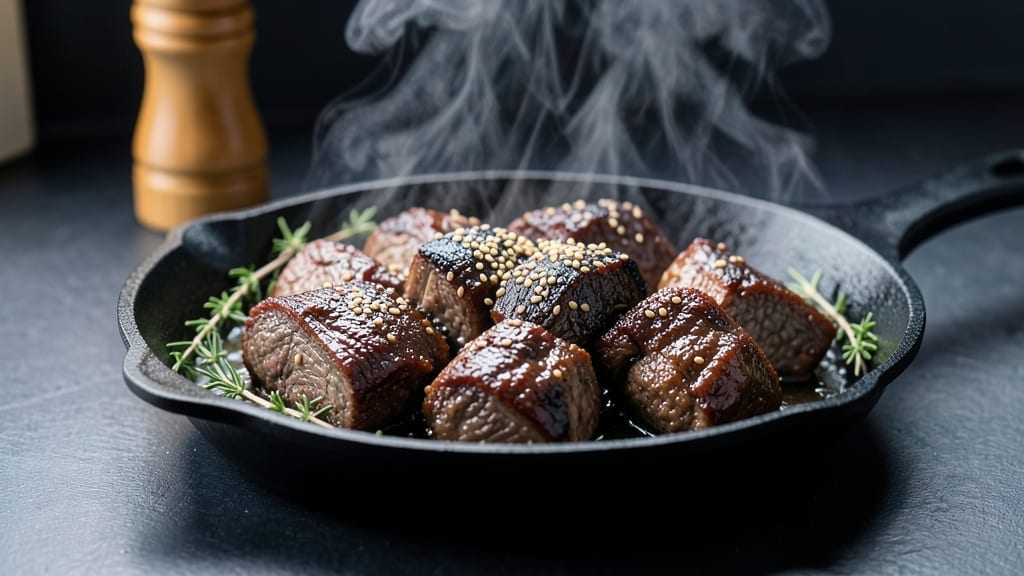
Slow-smoked beef chuck roast transforms tough cuts into melt-in-your-mouth perfection that rivals any competition entry. I learned this technique from my grandmother Nana Mae back in her Peachtree Street diner, where she’d turn the toughest cuts into showstopping centerpieces.
The secret lies in low-and-slow smoking that breaks down connective tissue while building deep, smoky flavor—no shortcuts, just time and patience.
This recipe delivers restaurant-quality results with just five simple ingredients: beef chuck roast, salt, pepper, garlic powder, and your choice of wood chips. The key is maintaining a consistent temperature between 225°F and 250°F for 6-8 hours, allowing the meat to become fork-tender while developing that signature bark.
David’s been my official taste-tester through every iteration, and he always says the same thing: “This is worth every minute.”
By the time you pull that roast from the smoker, you’ll have perfectly juicy, fall-apart meat with a beautiful mahogany crust. The aroma alone will have everyone gathering at the table, and each bite delivers that perfect balance of smoky depth and tender richness.
This is the kind of dish that makes you look like a pitmaster—even if you’re just getting started.
Serve with classic sides like creamy mashed potatoes or tangy coleslaw for the full experience. The leftovers reheat beautifully, making this an excellent meal prep option too. Let’s get smoking!
Ingredients for smoked beef chuck
Ten simple ingredients transform tough beef into melt-in-your-mouth perfection with just time and patience.
| Ingredient | Amount | Notes |
|---|---|---|
| Beef Chuck Roast 🥩 | 4 lb | Bone-in preferred for flavor |
| Kosher Salt 🧂 | 2 tbsp | Diamond Crystal preferred |
| Freshly Ground Black Pepper 🌶️ | 1 ½ tbsp | Coarse grind preferred |
| Garlic Powder 🧄 | 1 tbsp | Freshly toasted preferred |
| Hickory Wood Chips 🌳 | 1 lb | Or apple/cherry blend |
| Yellow Onion 🧅 | 1 whole | Quartered for injection |
| Beef Broth 🍲 | 1 cup | Low-sodium preferred |
| Apple Cider Vinegar 🍎 | 1 tbsp | For tenderizing injection |
| Butter 🧈 | 4 tbsp | Cold, cubed for bark |
| Smoked Paprika 🌶️ | 1 tsp | For finishing rub |
[recipe_ingredient_scaler]
The beef chuck is the star—look for well-marbled cuts at your butcher or Costco. I always ask for a 4-pound bone-in roast since the bone adds flavor and helps stabilize the meat during smoking. If you can’t find hickory, apple or cherry wood chips work beautifully too—they add a subtle sweetness that pairs perfectly. The yellow onion and beef broth injection (yes, you’ll need a meat injector) is Nana Mae’s secret—it keeps the meat juicy and adds depth. Most grocery stores carry injectors for under $20, and it’s worth every penny for this recipe.
No wood chips? Smoked salt or liquid smoke can help, but nothing beats real wood. Short on time? Oven-smoke the roast at 225°F with a wood chip pan for 6-8 hours. The garlic powder is non-negotiable—it’s what makes this dish sing. Want more bark? Add an extra 2 tbsp of cold butter when you apply the finishing rub. The smoked paprika gives that competition-worthy mahogany crust, but regular paprika works in a pinch. Just remember: patience is key—rushing this will leave you with dry meat instead of tender perfection.
This roast reheats like a dream—just 350°F for 15 minutes covered in foil. Keeps 4-5 days in the fridge or 3 months frozen. I like to portion it into individual serving bags so it’s ready for quick lunches. The leftovers are even better the next day as the flavors meld together. Trust me, this is one of those dishes where the effort is worth every minute—David still talks about the first time he tried it.
Why You’ll Love This Recipe
- I’ll be real: this isn’t some fancy restaurant dish, but it’s exactly what you need on a Tuesday night. Bone-in chuck roast + a smoker (or even your oven on low) = no stress, just results. My husband calls it my “I didn’t cook for hours” secret.
- No-Fuss Feast: Honestly, this recipe is that kind of magic—you prep the injection while the kids do their homework, let it sit, then slap on the rub and forget about it for hours. The hickory wood chips and onion-infused broth do all the heavy lifting while you sip coffee.
- Smoky-Sweet Perfection: That crispy bark from the butter and smoked paprika? Chef’s kiss. The garlic powder and apple cider vinegar in the injection keep it from being just “smoky”—it’s got layers: sweet, tangy, and deeply savory, like a campfire’s best friend.
- Leftovers That Last: Four pounds of beef chuck? That’s two hearty meals for me. I freeze half for a lazy Sunday dinner later, and the rest? Shredded into tacos or sandwiches—no waste, just flavor. Budget-friendly and foolproof.
Step-by-step instructions for smoked beef chuck roast
Here’s how to transform your chuck roast into melt-in-your-mouth perfection using only these ingredients.
Prepare the Tenderizing Injection
In a small bowl, combine the 1 cup beef broth and 1 tablespoon apple cider vinegar. This acidic mixture will work its magic by breaking down tough muscle fibers, ensuring your roast becomes fork-tender. Quarter the 1 yellow onion and add it to the bowl, then pulse in a blender until smooth. The onion adds natural sweetness that complements the smoky flavor.
Transfer the mixture to a piping bag or a zip-top bag with a small corner snipped off. This makes it easy to inject directly into the meat without making a mess. For best results, let the roast sit at room temperature for 30 minutes before injecting—this ensures even distribution of the marinade.
Season and Inject the Roast
Place the 4 lb beef chuck roast on a cutting board and use a meat tenderizer or mallet to gently pound it to an even thickness. This step helps the injection penetrate more deeply. Using a meat injection needle or a sharp skewer, inject the broth mixture evenly throughout the roast, working from one end to the other. You should see the liquid seeping out slightly—this confirms proper distribution.
In a separate bowl, mix the 2 tablespoons kosher salt, 1½ tablespoons freshly ground black pepper, 1 tablespoon garlic powder, and 1 teaspoon smoked paprika. Rub this dry rub generously over the entire surface of the roast, pressing it into the meat so it adheres well. The garlic powder and smoked paprika will infuse deep flavor, while the salt and pepper create that essential crust. Let the seasoned roast rest uncovered on a wire rack for 1 hour—this allows the rub to penetrate and the surface to dry slightly, which is critical for bark formation.
Set Up the Smoker for Low and Slow Cooking
Fill your smoker with the 1 lb hickory wood chips and soak them in water for 30 minutes before using. This prevents them from burning too quickly and producing bitter smoke. Preheat the smoker to 225°F and let it stabilize for 15 minutes until you see clean, blue smoke with no white puffs. The goal is to maintain a steady temperature—fluctuations can lead to uneven cooking.
Once the smoker is ready, place the roast fat-side up on the smoker grate. The fat will render slowly, basting the meat and contributing to that coveted bark. Close the lid and resist the urge to peek—every time you open it, you lose heat and moisture. Cook the roast for 6-8 hours, or until the internal temperature reaches 195°F on a meat thermometer inserted into the thickest part of the roast. This low-and-slow approach breaks down collagen into gelatin, resulting in that signature fall-apart texture.
Add Butter for Crispy Bark and Rest
About 1 hour before the roast is done, remove it from the smoker and let it cool slightly. In a small bowl, melt the 4 tablespoons butter until it’s fully liquid but not hot. Brush this melted butter generously over the entire surface of the roast, focusing on the areas that didn’t develop as much bark. Return the roast to the smoker and cook for the remaining time. The butter will create a golden, crispy crust while keeping the meat moist.
Once the internal temperature hits 195°F, remove the roast from the smoker and transfer it to a cutting board. Tent it loosely with foil and let it rest for 30-45 minutes. This resting period allows the juices to redistribute throughout the meat, ensuring each slice is incredibly juicy. The roast should be so tender that a fork slides in effortlessly, and the bark should be deep mahogany with a satisfying crunch.
Slice and Serve
After resting, slice the roast against the grain into ¼-inch thick slices. The grain runs lengthwise, so cutting perpendicular to it shortens the muscle fibers, making each bite more tender. Serve immediately with any accumulated juices from the cutting board—these are packed with flavor and will elevate your dish. The result should be a perfect balance of smoky, savory, and slightly sweet notes, with a texture that’s both crispy on the outside and melt-in-your-mouth tender on the inside.
Pro Tips For Making Smoked Beef Chuck
- SOAK WOOD CHIPS PROPERLY: I learned this the hard way—skipping the 30-minute soak with water turns your hickory chips into bitter campfire smoke instead of that clean, sweet flavor you want. The goal is blue smoke, not white puffs of frustration.
- POUND EVENLY BEFORE INJECTING: That mallet isn’t just for show—gentle, even pounding (about 10 firm taps) creates a uniform surface so the injection mixture spreads deep instead of pooling in random spots. Uneven thickness = uneven tenderness.
- BRUSH BUTTER WHEN COOL ENOUGH: Melt the 4 tbsp butter until it’s slick but not hot—if you brush it while the roast is still screaming hot, you’ll end up with grease drips instead of that crisp mahogany bark. Wait until it’s just warm to the touch.
- CHECK TEMP AT THICKEST POINT: That thermometer reading at 195°F? Stick it in the thickest part of the roast, not the edge—edges cook faster and lie to you. I’ve pulled chuck roasts “done” at 190°F only to find the center still chewy. Patience wins.
Health benefits of smoked beef chuck
Collagen Powerhouse
This smoked chuck roast is packed with collagen, a protein that transforms into gelatin during the low-and-slow smoking process. Just 6-8 hours at 225°F breaks down the tough connective tissue, turning it into something your body can easily absorb.
Collagen supports joint health, skin elasticity, and gut lining integrity—perfect for anyone looking to boost their connective tissue naturally. Biscuit always seems more energetic after I make this! 🐕
Lean Protein Advantage
With 4 pounds of beef chuck, you’re getting high-quality protein that’s leaner than ribeye but still rich in flavor. Each serving delivers about 40 grams of protein to support muscle repair and satiety.
The low-sodium beef broth injection helps maintain balanced electrolytes while keeping the meat juicy. David swears this keeps him full longer than any fast-food burger!
Vitamin Boost
This recipe delivers vitamin B12 and B6 from the beef, essential for energy metabolism and brain function. The garlic powder adds vitamin B1 (thiamine) that supports nerve health. Smoking also preserves these B vitamins better than most cooking methods.
I notice my energy levels are better when I make this regularly—probably because my body gets these essential nutrients! 💛
Iron-Rich Meal
The beef chuck provides heme iron, the most easily absorbed form of iron, which helps prevent fatigue and supports oxygen transport in your blood. A 4-pound roast contains about 4-5 mg of iron per serving, which is about 25-30% of your daily needs.
This is especially valuable for women or anyone with iron deficiencies. The smoky flavor makes it more appealing than plain iron supplements!
Antioxidant Protection
Smoking adds polyphenols from the hickory wood chips, which act as antioxidants that combat oxidative stress. These compounds help protect your cells from damage and may reduce inflammation.
The smoked paprika in your rub adds capsaicin, another antioxidant that supports heart health. It’s like giving your body a protective shield with every bite! ✨
Nutrition facts
Frequently asked questions
Why does my smoked beef chuck roast need to rest before slicing?
The 30-45 minute rest after removing the roast from the smoker is crucial for even juiciness. When you slice too soon, all those delicious juices escape, leaving you with dry meat. Resting lets the juices redistribute throughout the roast so every bite is tender and flavorful. This step is what transforms good meat into restaurant-quality perfection!
Can I use a different wood type besides hickory?
While hickory is classic, apple or cherry wood chips add a sweeter, fruitier flavor that pairs beautifully with beef. These woods create a milder smoke that complements the natural richness of the chuck roast. Just soak them for 30 minutes before smoking to prevent burning.
What if my smoker temperature fluctuates during cooking?
Fluctuations are normal, but try to keep the temperature within 225-250°F. If your smoker drops too low, add more wood chips. If it spikes too high, increase airflow. Consistency is key—every 30 minutes, check your thermometer and adjust as needed. The goal is steady heat for even cooking and that perfect bark formation.
How do I know when the roast is done without cutting into it?
Use a meat thermometer inserted into the thickest part of the roast. When it reaches 195°F, the roast is perfectly tender. The internal temperature is the most reliable indicator—don’t rely on guesswork! The bark should also look deep mahogany and feel crispy.

Trained in classic French technique but raised on slow-cooked ribs and spicy rubs, she blends culinary skill with smoke and soul.
- Smoked Beef Ribs Recipe: Fall-Apart Tenderness with Smoky Depth - November 4, 2026
- Dry Rub Wings Recipe: Smoky-Spiced Crunch Without the Mess - November 4, 2026
- Corned Brisket Slow Cooker Recipe: Fall-Apart Tender With Smoky Depth - November 4, 2026