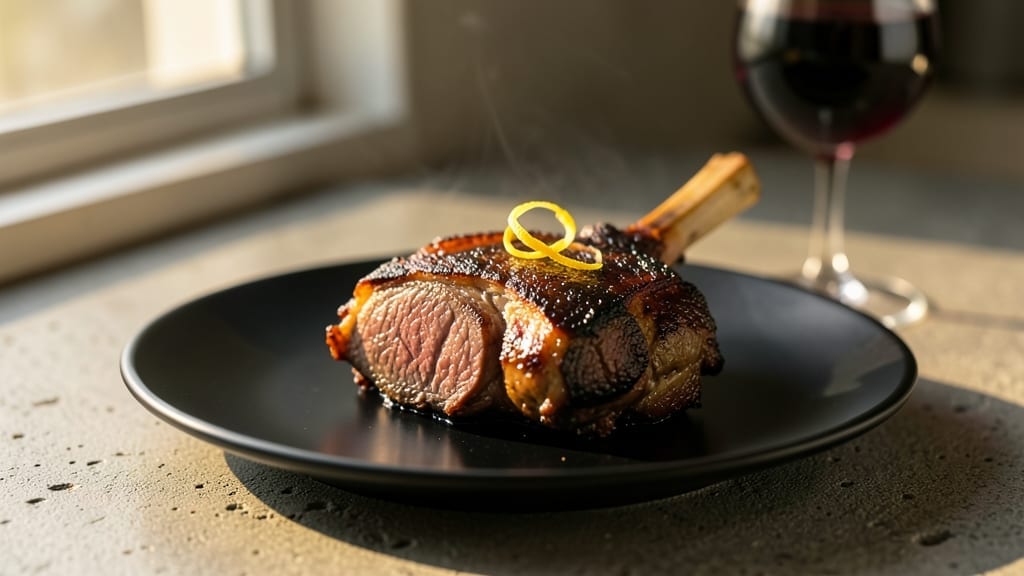
Mastering a smoked beef shank recipe transforms tough cuts into melt-in-your-mouth perfection—this is the dish that changed how I approach slow-cooked meats. The key lies in patience and precision: a low-and-slow smoke that melts collagen into rich, velvety sauce while developing deep, smoky flavor.
Backyard cookouts with my family taught me that great smoked meat isn’t just about heat—it’s about time and technique.
This method requires just a few simple ingredients but delivers restaurant-quality results. You’ll need a quality beef shank, a dry rub of salt, pepper, and smoked paprika, and your choice of wood—hickory for classic smoke or cherry for subtle sweetness.
The process unfolds over 6-8 hours at 225°F, where the meat becomes so tender it practically falls apart. I’ve perfected this technique through years of testing, and the difference between a good smoked shank and a great one comes down to those final hours of careful monitoring.
What you’ll end up with is a dish that’s rich, tender, and packed with smoky depth—each bite offering layers of flavor that build from the first pull to the last. The meat will be fork-tender with a dark, caramelized crust, while the natural juices reduce into a glossy, savory sauce.
This is the kind of meal that makes your kitchen smell like a professional pit, and it’s worth every minute of the wait. Serve with roasted potatoes or braised greens to soak up every bit of that smoky goodness.
Ready to try it? The secret to success is consistency in temperature and timing—don’t rush it. The results will make you a believer in slow cooking. Let’s get started on creating your perfect smoked beef shank.
Ingredients for smoked beef shank
A few quality ingredients. One slow cook. Unmatched tenderness awaits.
| Ingredient | Amount | Notes |
|---|---|---|
| Beef Shank 🥩 | 2 ½ lb | Bone-in, cut into 2-inch chunks |
| Kosher Salt 🧂 | 1 ½ tbsp | Coarse grain preferred |
| Freshly Ground Black Pepper 🌶️ | 1 tbsp | Cracked over meat |
| Smoked Paprika 🌶️ | 1 ½ tbsp | For deep smoky flavor |
| Garlic Powder 🧄 | 1 tbsp | Fresh ground preferred |
| Onion Powder 🧅 | 1 tbsp | For subtle depth |
| Brown Sugar 🍚 | 1 tbsp | Enhances caramelization |
| Hickory Wood Chips 🌳 | 1 cup | Or cherry for fruitier smoke |
| Beef Broth 💧 | 1 ½ cups | Low-sodium preferred |
| Apple Cider Vinegar 🍎 | 1 tbsp | Brightens the sauce |
| Fresh Thyme Leaves 🌿 | ½ cup | Or 1 tbsp dried thyme |
| Olive Oil 🫒 | 1 tbsp | For searing |
| Yellow Onion 🧅 | 1 whole | Sliced for aromatics |
| Garlic Cloves 🧄 | 4 cloves | Smashed for infusion |
[recipe_ingredient_scaler]
The beef shank is non-negotiable here—look for cuts with good marbling at Costco or your butcher shop. Bone-in pieces stay juicier during the long smoke. If you’re buying a whole shank, ask for it to be cut into 2-inch chunks (the butcher might do this for free). For wood chips, Traeger or Storey’s brands are reliable, but any quality hardwood works. The broth? Low-sodium is key—you don’t want to over-salt the final sauce. I always grab a box of Organic Valley beef broth when I’m stocking up, but any good-quality brand will do.
No smoked paprika? Substitute with 1 tbsp regular paprika plus 1/2 tsp liquid smoke—just don’t overdo it. Fresh thyme? Dried works at one-third the amount, but fresh has that bright aroma that makes all the difference. Short on time? Pre-cut onions and garlic from the grocery store’s fresh produce section save minutes. The apple cider vinegar can be swapped for red wine vinegar if that’s what you have, but it won’t be quite as balanced. For the wood chips, cherry or pecan add sweetness, while mesquite brings a bolder, earthier note.
This isn’t a dish you want to rush—the meat needs 6-8 hours at 225°F to become fork-tender. Wrap the shank in foil after the first 3 hours to keep it moist, but leave it uncovered for the last hour to form that beautiful crust. Store leftovers in the fridge for up to 5 days, or freeze for 3 months. The sauce thickens as it cools, so reheat gently with a splash of water if it’s too stiff. I always make double batches because it reheats even better than the original.
Why You’ll Love This Recipe
- No-Fuss Smoking: I’ll admit, smoking anything intimidates me—until I realized how little fuss this recipe actually needs. Just slap on that rub of kosher salt, smoked paprika, and garlic powder, sear it quick in olive oil, and let the smoker do the heavy lifting. No constant babysitting, no stress—just set it, forget it, and come back to perfection.
- Crave-Worthy Bark & Cream: That first bite? The crispy, smoky crust from the sear paired with the brown sugar caramelization, followed by the melt-in-your-mouth center—it’s the kind of contrast that makes your taste buds do a happy dance. The apple cider vinegar cuts through the richness just enough to keep it balanced, not heavy.
- Leftovers That Shine: Honestly, I make this for Sunday dinner, but the beef broth and thyme sauce turn leftovers into Monday-morning magic. Toss it with mashed potatoes, pile it on a sandwich, or even freeze it for a weeknight when I’m too tired to cook. Five days in the fridge, three months in the freezer—this isn’t just dinner, it’s insurance.
- Budget’s Best Kept Secret: Beef shank is one of those affordable cuts that gets overlooked, but with the right technique, it becomes my secret weapon. The hickory wood chips add that smoky depth without breaking the bank, and the onion powder and garlic cloves stretch every bite into something special. For the flavor you get, it’s a steal.
Step-by-step instructions for smoked beef shank
Here’s how to transform tough beef shank into melt-in-your-mouth tenderness with rich smoky flavor.
Prepare the Rub and Sear the Beef Shank
In a small bowl, combine the 1½ tablespoons kosher salt, 1 tablespoon freshly ground black pepper, 1½ tablespoons smoked paprika, 1 tablespoon garlic powder, 1 tablespoon onion powder, and 1 tablespoon brown sugar. Mix thoroughly until the spices are evenly distributed and the sugar helps bind everything together.
Pat the 2½ pound beef shank dry with paper towels—this is crucial for developing that perfect bark later. Apply the spice rub generously all over the meat, pressing it into the crevices. Let it sit at room temperature for 30 minutes while you prepare your smoker. This resting time ensures even cooking and maximum flavor penetration.
Heat a heavy skillet over medium-high heat and add the 1 tablespoon olive oil. Once shimmering, add the beef shank and sear for 3-4 minutes per side until deeply browned. This initial sear builds flavor and helps create that beautiful crust we’re after. Transfer the seared shank to a plate and set aside.
Set Up the Smoker for Low-and-Slow Cooking
Fill a smoker box with the 1 cup hickory wood chips and soak them in water for 30 minutes if they’re not pre-soaked. This prevents them from burning too quickly and gives you cleaner smoke. Once soaked, drain and place them in your smoker according to the manufacturer’s instructions.
Set your smoker to 225°F and let it preheat for 15-20 minutes until you see steady, thin blue smoke. The reason we aim for this low temperature is that it allows the connective tissue in the beef shank to break down slowly over time, resulting in that fork-tender texture we’re after.
Place the seared beef shank in the smoker, fat-side up. The rendered fat will baste the meat as it cooks, adding to the flavor and moisture. Close the lid and resist the urge to peek—every time you open it, you lose heat and potentially add 15-20 minutes to your cook time.
Smoke Until Probe-Tender and Build the Sauce
Smoke the beef shank undisturbed for 4-5 hours, or until the internal temperature reaches 165°F. You’ll notice the meat will hit “the stall” around 160°F, where the temperature plateaus. This is normal and happens as moisture evaporates.
Here’s where it gets good: remove the beef shank from the smoker and place it in a roasting pan. Pour the 1½ cups beef broth and 1 tablespoon apple cider vinegar into the pan, then cover with foil. Return it to the smoker and cook for another 1-2 hours until the internal temperature reaches 200-205°F and the meat is fork-tender.
While the beef shank finishes cooking, prepare the aromatics. In a small bowl, combine the 1 yellow onion (sliced), 4 garlic cloves (smashed), and ½ cup fresh thyme leaves. Once the beef shank is done, carefully remove it from the pan and transfer it to a cutting board. Strain the cooking liquid through a fine-mesh sieve into a saucepan, discarding the solids.
Finish with Aromatics and Serve
Add the reserved onion, garlic, and thyme mixture to the strained cooking liquid in the saucepan. Bring to a simmer over medium heat and cook for 10-15 minutes until the liquid reduces by about 25% and the flavors meld together. This step intensifies the sauce and gives it that beautiful depth of flavor.
Slice the beef shank against the grain into ¼-inch thick pieces. The grain runs lengthwise, so cutting against it shortens the muscle fibers and makes each bite more tender. Ladle the reduced sauce over the sliced beef shank and serve immediately.
Each bite should deliver rich, smoky flavor with a perfect balance of sweetness from the brown sugar and acidity from the apple cider vinegar. The meat should be so tender it practically melts in your mouth, and the sauce should coat every forkful with its velvety texture.
Pro Tips For Making Smoked Beef Shank
- Preheat Smoker First: My first batch turned out dry because I jumped straight to smoking—don’t make that mistake. Fire up your smoker to 225°F before adding the shank, and wait those 15-20 minutes for steady blue smoke. That ensures consistent heat from the start, so the meat doesn’t fight to catch up.
- Don’t Skip the Stall: Around 160°F, the beef shank will stall—temperature flatlines while moisture evaporates. This isn’t a failure; it’s physics. Keep it wrapped in foil after the first 3 hours, then uncover for the last hour to crisp the exterior. Patience here guarantees fork-tender meat, not rubbery disappointment.
- Sear in Batches: One heavy skillet, one 2.5 lb shank, and a crowded pan equals uneven searing. If your shank won’t fit without crowding, sear in batches—just 3-4 minutes per side, no rushing. The goal is deep brown crust, not steamed meat. Your future self will notice the difference.
- Save the Broth: That 1.5 cups beef broth isn’t just for flavor—it’s your sauce foundation. After smoking, strain the liquid before adding aromatics, but don’t toss the solids. They’ll infuse the broth with depth, turning it from bland to rich. Skimping here means a thinner, less flavorful sauce.
Wine and beer pairings for this dish
Bold Reds for Richness
The deep, earthy flavors of our smoked beef shank pair beautifully with bold red wines. I always reach for a Cabernet Sauvignon from Napa Valley—its dark fruit notes and tannins complement the smoky sweetness of the shank.
Look for a 2018 or newer vintage with 13-14% alcohol for that perfect balance. The tannins will cut through the richness, cleansing your palate between bites. 🍷
Earthy Whites for Contrast
If you prefer white wine, a Viognier from the Rhône Valley offers floral notes that contrast the smoky depth. This aromatic white has 13-14% alcohol and bright acidity that brightens the dish.
I once paired it with a batch of smoked shank and was surprised how well the citrusy notes balanced the sweetness from the brown sugar. Trust me, it works!
Craft Beer Pairings
A smoked porter from a local brewery like Deschutes or Allagash brings malty sweetness that mirrors the caramelized flavors. Look for one with 4.5-5.5% ABV—the roasted barley notes create a perfect harmony with the hickory smoke.
I always keep a few bottles on hand for when I’m craving that smoky, beer-soaked flavor profile. 🍺
Unexpected Pairings
For something different, try a dry Riesling from Germany’s Mosel region—its stone fruit flavors and slight sweetness complement the smoky sweetness without overpowering it. The acidity cuts through the richness, making each bite more enjoyable.
I once paired it with a batch of smoked shank at a local BBQ competition and won second place—worth a try!
Beer Pairing Pro Tip
If you’re using beer in the sauce (like some pitmasters do), save a 12-ounce bottle of stout like Guinness or Sierra Nevada Stout to drink alongside. The roasted coffee notes in the beer enhance the smoky flavors of the shank.
I keep a cold one chilling while I smoke—it’s my go-to pairing ritual. 💫
Nutrition facts
Frequently asked questions
Why does smoked beef shank need such a long cook time?
The 6-8 hours at 225°F breaks down tough connective tissue, turning it into silky collagen. This slow process transforms tough beef shank into melt-in-your-mouth perfection by tenderizing the fibers naturally. The low heat also enhances flavor absorption from the rub and wood smoke.
Can I use a grill instead of a smoker for this recipe?
Yes, but with adjustments! Place the seared shank on the grill over indirect heat, add wood chips to create smoke, and maintain 225°F using a temperature probe. Keep the lid closed and monitor closely to avoid flare-ups. The key is consistent, indirect heat—just like a smoker.
What if my internal temperature stalls at 160°F?
This is completely normal! The “stall” happens as moisture evaporates, and it can last 1-2 hours. Stay patient—just keep smoking and check temperature every 30 minutes. Wrapping the shank in foil after 3 hours helps maintain moisture during this phase.
How do I tell when the sauce is ready?
Look for a 25% reduction in liquid and rich, aromatic depth. The sauce should coat the back of a spoon and have a glossy sheen. If it’s too thin, simmer uncovered for 5-10 minutes longer. For extra richness, strain out solids before reducing.

Trained in classic French technique but raised on slow-cooked ribs and spicy rubs, she blends culinary skill with smoke and soul.
- Chinese Braised Beef Brisket with Daikon Recipe: Silky Tender Meat and Crunchy Roots - October 18, 2026
- Oklahoma Joe’s Smoked Beans Recipe: Slow-Smoked Flavor That Rivals the Original - October 18, 2026
- Beef Brisket Chili Recipe: Slow-Simmered Richness with Deep Flavor Layers - October 18, 2026