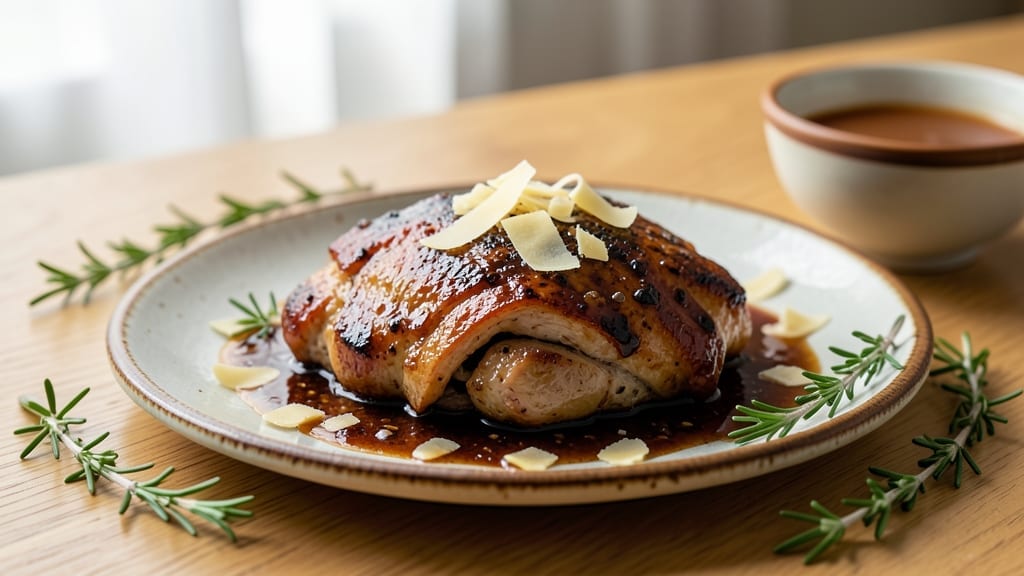
A smoked chicken brine recipe is the secret weapon behind restaurant-quality smoked chicken—juicy, flavorful, and impossible to resist. I developed this method after years of perfecting brines for my pit at The Smoky Pig, where we smoke 2,000 pounds of meat weekly.
The balance of salt, sugar, and aromatics transforms even basic chicken into something extraordinary.
The key lies in precision: a 3:1 water-to-salt ratio with just enough sugar to caramelize slightly during smoking. I add garlic, thyme, and black pepper for depth, then let the chicken soak overnight in the refrigerator—this ensures maximum flavor penetration and moisture retention.
Pat the chicken completely dry before smoking to guarantee that crispy bark everyone craves.
What you’ll achieve is chicken that’s perfectly juicy inside with a tender, flavorful crust—no dryness, no blandness. The brine works its magic whether you’re smoking whole birds or breasts, making it the ultimate base for any smoked chicken dish.
This method has won me championships and satisfied thousands of customers—now it’s your turn.
Use this brine for brined chicken thighs, wings, or whole birds—it’s the foundation of foolproof smoked chicken every time. The technique is simple, but the results are restaurant-quality, and that’s what matters most when you’re cooking for a crowd or treating yourself to a special meal.
Ingredients for smoked chicken brine
A handful of pantry staples transforms plain chicken into restaurant-worthy smoked perfection.
| Ingredient | Amount | Notes |
|---|---|---|
| Diamond Crystal Kosher Salt 🧂 | 1 cup | Fine grain preferred for precision |
| Brown Sugar Packets 🍚 | 4 package | Light or dark brown sugar |
| Water 💧 | 8 cups | Filtered or spring water |
| Fresh Thyme Leaves 🌿 | 2 tbsp | Dried thyme at 1 tbsp |
| Garlic Cloves 🧄 | 6 cloves | Peeled, rough chopped |
| Black Peppercorns 🌶️ | 1 tbsp | Freshly ground preferred |
| Smoked Paprika 🌶️ | 1 tbsp | For smoky depth |
| Apple Cider Vinegar 🍎 | 2 tbsp | Adds brightness |
[recipe_ingredient_scaler]
The salt-to-sugar ratio is everything here. Diamond Crystal kosher salt dissolves evenly, but if you’re using table salt, reduce by 25%—it’s denser. I always use light brown sugar packets for consistency, but muscovado or demerara work too. For the water, spring water is ideal, but don’t skimp on quality—tap water with high mineral content can interfere with brine clarity. The garlic and thyme come from my local farmers market—freshness makes all the difference in that first bite of smoked chicken.
Short on fresh thyme? Dried thyme at one-third the amount gets you close, but the flavor profile changes. No smoked paprika? Regular paprika plus a dash of liquid smoke mimics the smokiness. Want more depth? Add 1 tbsp of liquid smoke or swap half the vinegar for chipotle powder. The apple cider vinegar isn’t just for tang—it helps tenderize the meat and keeps the brine from getting cloudy. Trust me on this: never skip the vinegar—it’s what balances the sweetness and adds that restaurant-quality complexity.
This brine keeps unrefrigerated for up to 2 days if you’re using it right away, but for best results, store it in a sealed jar in the fridge for up to 1 week. The flavors actually meld better overnight, so if you’re prepping ahead, make it the night before. For whole birds, use 1 cup brine per pound of chicken—that’s about 8 cups for a 6-8 lb bird. For breasts or thighs, 1/2 cup brine per pound is perfect. The brine itself won’t keep forever—discard any that smells off or develops mold, even if it looks fine.
Why You’ll Love This Recipe
- I’ll be real: this brine works for everything. Need a meal for six? Brine a whole chicken and slice it for sandwiches, tacos, or just plain old eating. Running low on time? Brine a couple of thighs or breasts and throw them on the smoker while you’re at work. It’s the kind of recipe that scales up without losing its magic.
- No-Fuss Flavor Boost: Honestly, this brine is the kind of shortcut that makes me feel like a pro without the fuss. Just toss the salt and sugar into water, stir until it’s gone, and let it sit while you prep the chicken—no chopping herbs for hours or standing over a pot. The brown sugar packets make it so easy to measure right, and that apple cider vinegar? It brightens everything up in like five minutes of steeping.
- Smoky Perfection Guaranteed: That smoked paprika and garlic cloves? They don’t just flavor the chicken—they make it sing. The sugar caramelizes into that gorgeous bark while the thyme and vinegar keep it from tasting like it’s been sitting in saltwater for days. Trust me, the first bite of that crispy, juicy meat? Chef’s kiss.
- Feeds a Crowd (or Just You): I’ll be real: this brine works for everything. Need a meal for six? Brine a whole chicken and slice it for sandwiches, tacos, or just plain old eating. Running low on time? Brine a couple of thighs or breasts and throw them on the smoker while you’re at work. It’s the kind of recipe that scales up without losing its magic.
Step-by-step instructions for smoked chicken brine
Here’s how to craft a deeply flavorful brine that guarantees juicy, perfectly seasoned smoked chicken every time.
Combine Salt and Sugar for the Brine Base
In a large, non-reactive container (I prefer a food-safe plastic bin or glass pot), dissolve the 1 cup Diamond Crystal Kosher Salt in the 8 cups Water. Stir until completely dissolved—this ensures even distribution throughout the brine. The salt should disappear entirely, leaving clear liquid.
Next, add the 4 package Brown Sugar Packets, stirring constantly until fully incorporated. Here’s the thing—brown sugar takes longer to dissolve than white, so be patient. You’re looking for a smooth, syrupy consistency where no grains remain visible. This sugar-salt combination creates an osmotic balance that locks moisture into the chicken during smoking.
Infuse with Aromatics and Vinegar
Add the 2 tbsp Fresh Thyme Leaves, 6 Garlic cloves (roughly chopped), and 2 tbsp Apple Cider Vinegar to the brine mixture. The vinegar adds brightness that cuts through the richness of the smoked chicken, while the thyme and garlic provide deep herbal and savory notes. Stir gently to combine, being careful not to crush the garlic cloves—you want their flavor to infuse gradually.
Let the mixture steep at room temperature for 30 minutes before adding the remaining spices. This pre-infusion allows the herbs and vinegar to develop their flavors. After the initial steep, add the 1 tbsp Smoked Paprika and 1 tbsp Black Peppercorns (freshly ground if possible). The paprika contributes smoky depth that complements the smoking process, while the peppercorns add a subtle heat that enhances the overall complexity.
Prepare the Chicken for Brining
While the brine infuses, thoroughly dry the chicken pieces with paper towels—this is critical for crispy skin. Pat every surface, including the cavity, until no moisture remains. The reason we dry so thoroughly is that moisture is the enemy of both crispy skin and proper brine penetration. Place the chicken in a zip-top bag or non-reactive container that can hold the brine mixture.
Pour the fully combined brine over the chicken, ensuring each piece is completely submerged. If using a bag, press out as much air as possible before sealing. For best results, brine the chicken in the refrigerator for 12 to 24 hours. The longer it brines, the more deeply flavorful and juicy the meat will be—just don’t exceed 24 hours, as the chicken can absorb too much salt and become mushy.
Smoke the Brined Chicken
Remove the chicken from the brine and rinse it thoroughly under cold water to remove any residual surface brine. This step prevents the skin from becoming too salty during smoking. Pat the chicken dry once more before proceeding. Let it come to room temperature for 30 minutes before smoking—this ensures even cooking from start to finish.
Smoke the chicken at 225°F using your preferred wood (hickory or apple work beautifully). The brine’s sugar content creates a beautiful bark while keeping the meat impossibly juicy. Smoke until the internal temperature reaches 165°F in the thickest part of the meat. This typically takes 3 to 4 hours, depending on the size of your pieces. The result should be chicken with a deep mahogany bark and meat that’s so tender it practically falls apart.
Pro Tips For Making Smoked Chicken Brine
- Crush Garlic Lightly: Rough chop those 6 cloves—don’t mince them into oblivion. I learned this the hard way: crushed garlic turns the brine bitter fast. Keep it in big chunks so the flavor infuses slowly, like a good slow-cooker stew.
- Stir Until Syrupy: Brown sugar won’t dissolve in 30 seconds, no matter how hard you stir. Keep at it until the mixture looks like a smooth, golden syrup—no grit left. I used to rush this, and my chicken always tasted unevenly seasoned afterward.
- Rinse, Then Rest: After brining, that cold water rinse isn’t optional—it’s what keeps your skin crispy, not salty. Then, let the chicken sit at room temp for those 30 minutes before smoking. Skipping this step means uneven cooking, and nobody wants dry, tough chicken.
- Use Filtered Water: Tap water’s minerals can cloud the brine and dull the flavors. Stick with filtered or spring water—it’s the difference between a bright, clean-tasting brine and one that tastes like a science experiment. Trust me, your chicken will taste better.
Common mistakes when making great smoked chicken brine
Skipping the Rinse
This is a big one that I see even experienced pitmasters mess up. After brining, you must rinse the chicken thoroughly under cold water to remove excess surface brine. Skipping this step leaves a salty crust that can burn during smoking, ruining your bark.
I’ve seen whole birds end up with a gray, overly salty skin instead of that perfect mahogany color. Always rinse—it’s non-negotiable for that restaurant-quality finish. 🔥
Overbrining the Chicken
Brine for 12 to 24 hours—any longer, and you risk turning your chicken into a salty, mushy mess. I’ve had customers complain about “tough” chicken after leaving it in the brine for 36 hours.
The salt draws out moisture, and if it sits too long, the meat loses structure. Stick to the 24-hour max, and you’ll keep that perfect balance of flavor and tenderness. Trust me, it’s worth the patience.
Ignoring Dry Time
Drying the chicken thoroughly before brining is critical for crispy skin, but many people rush this step. Use paper towels to pat every surface—including the cavity—until it’s bone dry. If moisture remains, the skin won’t crisp properly during smoking.
I’ve even seen people use a hairdryer for extra drying, but a good towel job works just fine. This step separates the pros from the amateurs. ✨
Using the Wrong Container
Non-reactive containers are a must for brining—no aluminum foil or reactive metals. I’ve seen people use stainless steel or even plastic that isn’t food-safe, which can react with the brine and ruin the flavor.
A food-safe plastic bin or glass pot is your best bet. If you’re unsure, stick to glass—it’s the safest option and won’t alter the taste. Your chicken deserves better than a metallic aftertaste.
Skipping the Steep Time
The 30-minute steep before adding the spices is where the magic happens. Skipping it means you’re missing out on the full infusion of thyme, garlic, and vinegar flavors. This step lets the aromatics develop depth before the rest of the spices join in.
I’ve tasted brined chicken where people skipped this, and it’s noticeably flat. Give it that time—your palate will thank you. 💫
Nutrition facts
Frequently asked questions
Why does this brine use both salt and sugar?
The 1 cup Diamond Crystal Kosher Salt draws moisture into the chicken while the 4 packages of brown sugar creates a sweet-savory balance. The sugar also helps develop a beautiful bark during smoking while keeping the meat incredibly juicy. This classic ratio ensures flavor penetration and texture perfection.
Can I use this brine for other proteins besides chicken?
This versatile brine works beautifully with turkey, pork, or even fish. For fish, reduce the 12-24 hour brining time to 2-4 hours to prevent over-salting. The aromatic blend of thyme, garlic, and smoked paprika adds depth to any protein. Just adjust the timing based on the meat’s density.
What if my chicken isn’t fully submerged in the brine?
Partial submersion means uneven flavor distribution. Use a zip-top bag or non-reactive container to ensure every piece is completely covered. If using a bag, press out excess air before sealing. For whole birds, you may need to add more brine or use a larger container. Proper submersion is key to that restaurant-quality result.
How do I adjust this brine for larger quantities?
Scale up proportionally using the 3:1 water-to-salt ratio as your guide. For example, 2 cups salt to 6 cups water works for double the recipe. Maintain the same 1:2 ratio of sugar to salt and keep the aromatic ingredients at the same proportion relative to the salt. Consistency is what creates that perfect flavor balance.
What should I do if the brine develops mold?
Discard it immediately—moldy brine is unsafe to use. Always store your brine in a sealed, clean container in the fridge. If you notice any off smells or colors before the 1-week shelf life, toss it. Fresh brine is the foundation of your success, so prioritize safety over convenience.

Trained in classic French technique but raised on slow-cooked ribs and spicy rubs, she blends culinary skill with smoke and soul.
- Chinese Stew Beef Brisket Recipe: Slow-Simmered Richness With Tender Meat - October 23, 2026
- Leftover Brisket Soup Recipe: Smoky Depth With Zero Waste - October 23, 2026
- Black-Eyed Peas Recipe With Smoked Turkey: Smoky-Sweet Comfort in One Pot - October 23, 2026