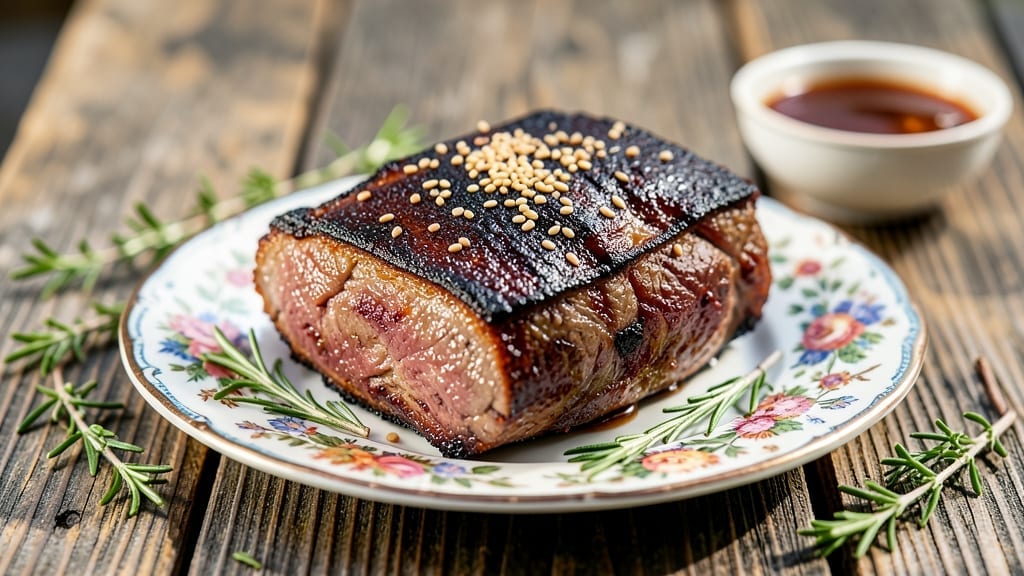
Mastering a smoked cross rib roast transforms tough cuts into melt-in-your-mouth perfection—something I perfected after years of experimenting with smoke and French technique. The secret lies in balancing low-and-slow cooking with high-heat char, creating that coveted crust while keeping the interior tender enough to fall apart.
My family backyard cookouts taught me patience, but it was my French training that unlocked the precision needed for this dish.
This recipe starts with a simple dry rub and a long smoke, but the magic happens in the final stages. We’ll use a reverse sear approach—smoking the roast first, then finishing it over direct heat to develop that deep charred crust.
The key is monitoring internal temperatures precisely, ensuring every bite stays juicy without drying out. No fancy equipment needed, just time and attention to detail.
By the time you’re done, you’ll have a roast that’s rich, smoky, and impossibly tender—with a crust that adds just enough texture to keep every bite exciting. The aroma alone will have everyone gathering around the table, and the leftovers?
Even better the next day. This is the kind of meal that makes you feel like a pitmaster without the hours of fuss.
Perfect for holiday gatherings, game day, or when you want to impress without slaving over the grill. The techniques here work for any large cut of beef, so once you master this, you’ll be ready to tackle ribs, brisket, or even a whole cow.
Let’s get started with the steps that’ll make your roast the star of any meal.
Ingredients for smoked cross rib roast
A handful of simple spices and a whole lot of patience. This is what turns a tough cut into showstopping perfection.
| Ingredient | Amount | Notes |
|---|---|---|
| Cross Rib Roast Beef 🥩 | 4 lb | Bone-in, 2-3 ribs thick |
| Coarse Kosher Salt 🧂 | ½ cup | Diamond Crystal preferred |
| Freshly Ground Black Pepper 🌶️ | 2 tbsp | Cracked peppercorns preferred |
| Smoked Paprika 🌶️ | 1 tbsp | For deep smoky flavor |
| Garlic Powder 🧄 | 1 tbsp | Freshly ground preferred |
| Onion Powder 🧅 | 1 tbsp | For sweet depth |
| Mustard Powder 🍯 | 1 tsp | For subtle tang |
| Wood Chips 🌳 | 2 cups | Hickory or oak preferred |
| Apple Cider Vinegar 🍎 | 2 tbsp | For tenderizing rub |
| Butter 🧈 | ½ cup | Unsalted, softened for crust |
| Fresh Thyme Leaves 🌿 | ¼ cup | Chopped, for finishing |
| Fresh Rosemary 🌿 | ¼ cup | Chopped, for finishing |
| Olive Oil 🫒 | 2 tbsp | For basting |
[recipe_ingredient_scaler]
The beef is everything here. Cross rib roast gives you that perfect balance of meat and bone—4 pounds is ideal for 4 servings, but go bigger if you’re feeding a crowd. I always buy from Costco or my local butcher shop because they have the best marbling. Look for cuts with good fat coverage—this is what keeps your roast juicy during that long smoke. If you’re unsure, ask for the ‘cross cut’ section of the ribeye. The wood chips? Hickory gives that classic BBQ flavor, but oak works too if you want something milder. Soak them for 30 minutes before using—trust me on this.
No smoked paprika? Regular paprika plus a pinch of liquid smoke gets you close. Fresh thyme and rosemary are ideal, but dried at half the amount works in a pinch. The apple cider vinegar in the rub might seem odd, but it tenderizes the meat and balances the richness. For the butter crust, full-fat is non-negotiable—it’s what creates that golden, caramelized crust. Short on time? Microwave the butter 40 seconds to just melt it before spreading. The olive oil is for basting—don’t skip this part. It keeps everything moist and adds another layer of flavor.
This roast is all about patience. The rub can be mixed a day ahead and stored in an airtight container. The wood chips? Keep them in a sealed bag in the fridge for up to 6 months. Once you’ve smoked the roast, let it rest 20-30 minutes before slicing—this is crucial for juiciness. Leftovers keep 4-5 days in the fridge, and they reheat beautifully. I always portion mine into containers so lunches are sorted for the week. The crust? Even better the next day once everything melds.
Why You’ll Love This Recipe
- Let’s talk practicality: this recipe turns a tougher cut of beef into something so tender and flavorful, it feels like a splurge. The spices are cheap, the wood chips last forever, and you’re using every inch of that roast—no wasted meat here. Plus, the rub can be stored for months, so you’re not buying fresh spices every time. It’s the kind of dish that makes you feel like you’re treating yourself without breaking the bank.
- No Fuss, Big Payoff: Honestly, this isn’t one of those recipes that requires a Pinterest-worthy setup. Just mix the spices—that’s it—and let the magic of the smoker do the work. The dry rub can even be prepped the night before, so you’re just tossing it on the meat and hitting the smoker at 225°F. I’ll be real: the hardest part is resisting the urge to open the smoker every five minutes.
- Smoky, Crispy, Chef’s Kiss: The combo of smoked paprika and that final butter baste with fresh rosemary and thyme? It’s like a flavor hug for your taste buds. That crispy bark with the creamy, tender center—yes—that’s the kind of texture you’ll find yourself licking your plate for. The apple cider vinegar in the rub tenderizes the meat while adding a little tang that cuts through the richness. Every bite is a balance of smokiness and depth.
- Budget-Friendly Luxury: Let’s talk practicality: this recipe turns a tougher cut of beef into something so tender and flavorful, it feels like a splurge. The spices are cheap, the wood chips last forever, and you’re using every inch of that roast—no wasted meat here. Plus, the rub can be stored for months, so you’re not buying fresh spices every time. It’s the kind of dish that makes you feel like you’re treating yourself without breaking the bank.
Step-by-step instructions for smoked cross rib roast
Here’s how to transform a tough cut into melt-in-your-mouth perfection with a smoky crust that’ll impress everyone.
Create the Dry Rub and Tenderize the Meat
In a medium bowl, combine the ½ cup coarse kosher salt, 2 tablespoons freshly ground black pepper, 1 tablespoon smoked paprika, 1 tablespoon garlic powder, 1 tablespoon onion powder, and 1 teaspoon mustard powder. Mix thoroughly until the spices are evenly distributed and no salt crystals remain.
Pat the 4 lb cross rib roast beef dry with paper towels—this is crucial for both seasoning adherence and developing that coveted charred crust. Spread the dry rub evenly over all surfaces of the meat, pressing it into the crevices and fat cap. Here’s the secret: let the roast sit at room temperature for 30 minutes while you prepare your smoker. This ensures even cooking and maximum flavor penetration.
While waiting, mix the 2 tablespoons apple cider vinegar with 2 tablespoons of the olive oil in a small bowl. Brush this mixture generously over the rubbed roast. The vinegar helps tenderize the meat while adding a subtle tang that complements the smoky flavors. Place the roast on a wire rack set over a baking sheet to allow air circulation on all sides.
Set Up and Smoke the Roast Low and Slow
Fill your smoker with the 2 cups wood chips (hickory or oak preferred) and preheat to 225°F. I’ve found this low temperature is key for developing that deep, smoky flavor without drying out the meat. Let the smoker run for 15 minutes to establish a steady temperature and clean smoke before adding the roast.
Place the seasoned roast on the smoker grates, fat side up. This positioning allows the rendered fat to baste the meat continuously during cooking. Close the lid and resist the urge to peek—every time you open it, you lose valuable heat and smoke. Let the roast smoke undisturbed for 6 hours, maintaining the 225°F temperature throughout.
After 6 hours, check the internal temperature using a meat thermometer. You’re aiming for 165°F at this stage. The roast should have developed a beautiful bark—dark, crispy, and slightly charred in spots. If the bark isn’t quite there yet, increase the temperature to 250°F for the final hour to help develop that perfect crust.
Finish with Butter Baste and Herbs
When the roast reaches 165°F, remove it from the smoker and let it rest for 15 minutes. This resting period allows the juices to redistribute, ensuring each bite is incredibly juicy. While it rests, melt the ½ cup butter in a small saucepan over low heat until it just begins to foam.
Remove the roast from the resting area and place it back on the smoker grates. Increase the temperature to 300°F and baste the roast generously with the melted butter, letting it sizzle and create a glossy finish. Sprinkle the chopped ¼ cup fresh thyme leaves and ¼ cup fresh rosemary evenly over the roast, pressing them gently into the surface.
Return the roast to the smoker for 30-45 minutes at 300°F, basting with the remaining butter every 10 minutes. This final step creates that signature charred crust while infusing the meat with aromatic herbs. The roast is done when the internal temperature reaches 195-200°F and a knife slides in easily with just slight resistance.
Rest and Slice for Maximum Juiciness
Transfer the roast to a cutting board and tent loosely with aluminum foil. Let it rest for at least 30 minutes—this is absolutely critical. The resting period allows the muscle fibers to relax and the juices to redistribute throughout the meat. I know it’s tempting to slice immediately, but trust me on this step.
Once rested, slice the roast against the grain into ½-inch thick slices. Each slice should be incredibly tender with a perfect balance of smoky flavor and juicy texture. The charred crust should be crispy yet not tough, and the interior should be rich and moist. Serve immediately with any accumulated juices from the cutting board spooned over the top.
Pro Tips For Making Smoked Cross Rib Roast
- Preheat Smoker Properly: That 15-minute preheat with 2 cups wood chips at 225°F isn’t just a formality—it’s what keeps your smoke clean and consistent. I used to skip it, and my first hour of cooking was always clouded with bitter, acrid smoke. Let it establish a steady, blue-tinted wisp before adding the roast, or you’ll regret it when the bark tastes like a campfire mishap.
- Press Salt into Fat Cap: The ½ cup coarse kosher salt is useless if it just sits on top of the fat. Dig your fingers into those crevices and work the salt into every nook—especially under the fat cap. I learned this after my first roast came out seasoned like a checkerboard. The fat renders better when salted, and that’s where the crust magic happens.
- Don’t Rush the 165°F Hold: Hitting 165°F after 6 hours at 225°F is your cue to slow down, not speed up. That’s when the meat starts to firm up, and rushing to finish it will turn your tender roast into something chewy. Let it sit at that temp for another 30-45 minutes if needed—patience here means the difference between a fork-tender bite and a fight with your knife.
- Butter Baste Early: The ½ cup softened butter isn’t just for the last 10 minutes—start basting as soon as you return the roast to the smoker at 300°F. I used to wait until the end, and my crust would never get that glossy, crackling finish. Baste every 10 minutes, and don’t skimp: you want that butter sizzling like a pan sear. The herbs (thyme and rosemary) will stick to it better, too.
Creative variations of smoked cross rib roast
Coastal Smokehouse Style
Inspired by my rides along the coast, this variation adds a touch of saltiness and citrus to complement the smoky depth. After your 6-hour smoke, remove the roast and brush it with 2 tbsp fresh lemon juice mixed with 1 tbsp olive oil.
Then, sprinkle 1 tbsp flaky sea salt (like Maldon) over the top before the final butter baste. The salt enhances the crust while the lemon brightens the smoky flavors—perfect for a summer gathering by the shore. 🌊
Herb-Infused French Twist
Combining my French technique background with the smoky tradition, this version incorporates 2 tbsp Dijon mustard mixed into the butter baste. After smoking, spread the Dijon-butter mixture generously over the roast before adding the thyme and rosemary.
The mustard adds a subtle tang that balances the richness, while the herbs infuse a fragrant aroma. This version feels like a cross between a classic French beef Wellington and a smoky BBQ masterpiece. 💛
Spicy Southwest Smoke
For those who love heat, swap out 1 tbsp of the smoked paprika in your dry rub for 1 tbsp chili powder and add ½ tsp cayenne pepper.
After smoking, top the roast with a mixture of 2 tbsp chipotle mayo (mix mayo with 1 tsp chipotle powder) and 1 tbsp lime zest before finishing with the butter. The smoky heat pairs beautifully with the tangy mayo—ideal for a bold flavor profile. 🌶️
Wild Herb Foraging Fusion
When I forage for wild herbs, I often find sage, oregano, and even a touch of lavender that add unique depth. After your 300°F butter basting stage, sprinkle ¼ cup chopped wild sage and 2 tbsp dried oregano over the roast.
For an extra touch, add 1 tbsp dried lavender buds (removed before serving) for a floral aroma. This version feels like a rustic, wild garden BBQ—perfect for adventurous eaters. 🌿
Quick Cold-Smoke Method
If you’re short on time but still want that smoky flavor, try this shortcut: After your initial 6-hour smoke at 225°F, remove the roast and place it in a cooler lined with damp towels.
Add ½ cup soaked hickory wood chips to a small bowl, cover with foil, and place it in the cooler with the roast. Close the cooler and let it “cold-smoke” for 4-6 hours. This method infuses subtle smoke without the long cook time. 💡
Nutrition facts
Frequently asked questions
Why does my smoked cross rib roast need to rest after cooking?
The 30-minute rest is non-negotiable—it lets juices redistribute throughout the meat. Skipping this step means dry, tough slices instead of melt-in-your-mouth perfection. Think of it like letting a loaf of bread cool before slicing—same principle!
Can I use a different type of wood for smoking?
While hickory and oak are classic choices, fruitwoods like cherry add sweetness, and mesquite delivers bold flavor. Just soak the chips for 30 minutes to avoid flare-ups. The key is consistency—stick to one type for even smoke infusion.
What if my smoker temperature fluctuates during cooking?
Fluctuations are normal, but aim to stay within ±25°F of your target. If temps drop, add more wood chips; if too hot, close the vents. Use a digital thermometer to monitor both smoker and meat temps. Patience pays off—adjust gradually for steady results.
How do I know when the charred crust is ready?
Look for a deep, dark bark with crispy spots—not just color, but texture. The crust should be firm to the touch but still tender when pressed. If it feels dry or overly hard, reduce the final 300°F stage by 5-10 minutes to avoid burning.
Can I make this recipe ahead of time?
Yes! The dry rub can be mixed a day ahead and stored in an airtight container. For the roast, cook it 1-2 days ahead, slice against the grain, and refrigerate in containers. Reheat slices in a 300°F oven for 10-15 minutes—the crust will crisp up beautifully.

Trained in classic French technique but raised on slow-cooked ribs and spicy rubs, she blends culinary skill with smoke and soul.
- Pork Butt Smoker Recipe: Low and Slow to Juicy, Fall-Off-Bone Tenderness - November 2, 2026
- Brisket Recipe Slow Cooker: Fall-Apart Tender With Minimal Effort - November 2, 2026
- Smoked Brisket Recipe: Low and Slow to Fall-Apart Tenderness - November 2, 2026