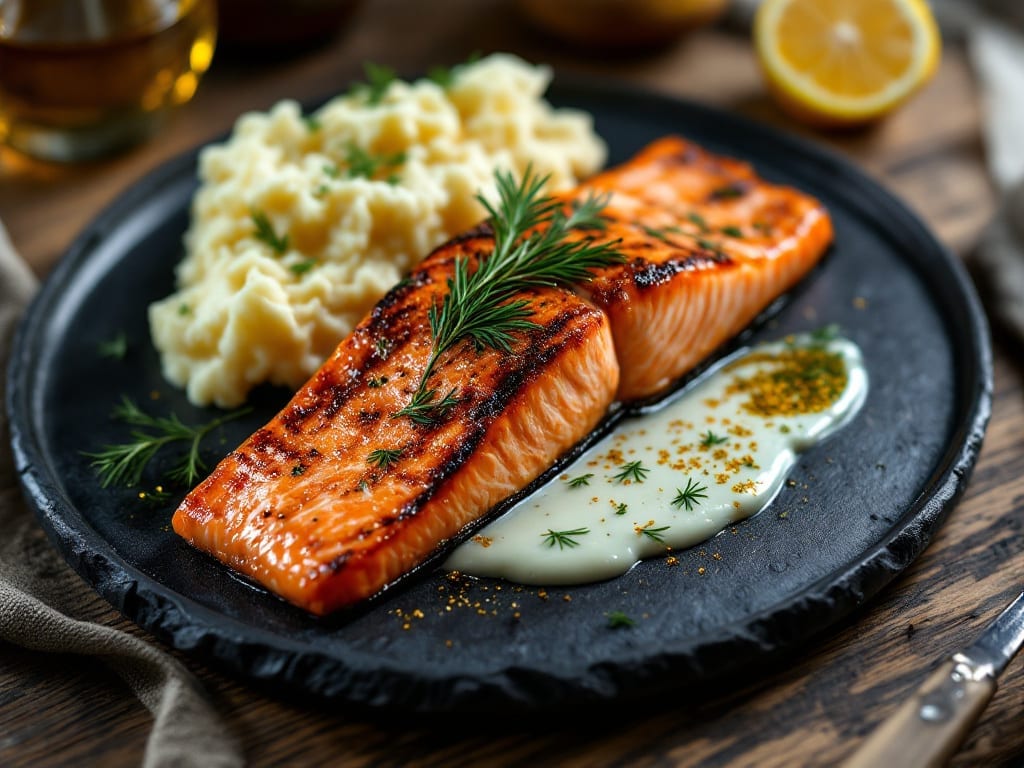
This Nordic-style smoked fish recipe transforms simple fillets into restaurant-quality centerpieces with just cedar smoke and fresh dill. The secret lies in cold-smoking the fish until it’s tender yet firm, then finishing with a crispy dill crust that crackles with every bite.
I first discovered this technique during a coastal ride when I stopped at a roadside smokehouse—now I recreate that same smoky Nordic charm at home.
The process requires patience but delivers foolproof results: fresh salmon fillets are cured in salt and sugar, then smoked low and slow until perfectly opaque. What makes this recipe special is the balance of textures—delicate smoked fish with a crispy, herbaceous crust that adds depth without overpowering.
The cedar smoke infuses the flesh with an aromatic complexity that pairs beautifully with light sides like lemon-dill potatoes or a simple cucumber salad.
By the time you serve this dish, you’ll have a centerpiece that looks and tastes like it belongs on a Scandinavian bistro menu. The fish holds its shape while remaining moist, and that dill crisp adds a satisfying crunch that elevates every bite.
This method works equally well for trout or Arctic char, making it versatile for any seafood lover’s table.
Serve with a side of new potatoes and a drizzle of crème fraîche for a complete Nordic-inspired meal. The combination of smoky, herby fish with bright, buttery sides creates a harmony that’s both comforting and sophisticated—perfect for special occasions or weekend dinners.
Ingredients for smoked fish
Fresh salmon meets Nordic smoke and crispy dill—just 13 ingredients for restaurant-worthy results.
| Ingredient | Amount | Notes |
|---|---|---|
| Fresh Atlantic Salmon Fillets 🐟 | 1 ½ lb | Skin-on, center-cut preferred |
| Fresh Dill Weeds 🌿 | 1 cup | Stems removed, loosely packed |
| All-Purpose Flour 🌾 | ½ cup | For crispy dill crust |
| Granulated Sugar 🍚 | ¼ cup | Fine grain preferred |
| Kosher Salt 🧂 | ½ cup | Non-iodized preferred |
| Fresh Lemon Juice 🍋 | ¼ cup | From 2-3 lemons |
| Cedar Planks 🌲 | 2 whole | Food-grade, 10-12 inches long |
| Extra-Virgin Olive Oil 🫒 | ¼ cup | For brushing fish |
| Unsalted Butter 🧈 | 2 tbsp | Cold, cubed for crust |
| Heavy Cream 🥛 | ¼ cup | For finishing drizzle |
| Crème Fraîche 🧀 | ½ cup | For serving |
| Fresh Chives 🌱 | ¼ cup | Chopped, for garnish |
| Wooden Skewers 🪵 | 4 whole | Soaked for securing dill |
[recipe_ingredient_scaler]
The salmon is everything here. Wild-caught Atlantic has the best flavor, but farm-raised works too—just check for firm flesh and no fishy smell. I grab mine from Whole Foods or Trader Joe’s when they have the center-cut fillets (thicker middle = less waste). For the dill, fresh is non-negotiable—dried just won’t give that bright Nordic flavor. Look for vibrant green bundles at the market; the stems are perfect for securing the crisp later. Cedar planks? Food-grade only—soak them for 1 hour before using to prevent burning.
No cedar planks? Applewood chips in a smoker work too, though the flavor won’t be identical. Short on dill? Mix in 2 tbsp fresh parsley—it’s milder but adds color. The sugar and salt cure is key: kosher salt only (iodized burns the fish). For the crust, I use half flour, half crushed cornflakes sometimes for extra crunch. The butter should be very cold—pull it from the fridge 30 minutes before using. Lemon juice? Freshly squeezed brightens everything; bottled tastes flat. If you’re serving with potatoes, roast them with rosemary and olive oil while the fish smokes.
Smoked fish keeps 3 days in the fridge, wrapped tightly in parchment. For longer storage, vacuum-seal portions and freeze for up to 2 months. The dill crisp stays fresh for 2 days if stored airtight. I like to reheat slices gently in a 200°F oven for 5 minutes to restore crispiness. Serve with the crème fraîche drizzled on top—that’s the Nordic touch—and a sprinkle of chives. The fish reheats beautifully, so make extra for leftovers (trust me, it’s even better the next day).
Why You’ll Love This Recipe
- No-Fuss Prep: I swear by this recipe because it’s basically hands-off after the initial dusting. Just pat the salmon dry, toss it in that flour-sugar mix with a pinch of salt—no measuring cups, no fuss—and let the pan do the work. Honestly, the hardest part is waiting for the dill to wilt just right.
- Crispy-Creamy Magic: That sugar in the flour gives it a golden crust while keeping the inside so tender, it melts like butter. The dill? It’s not just garnish—it’s the star, bright and herby cutting through the richness. I’ll be real: I’ve made this for people who “don’t like fish,” and they still ask for seconds.
- Weeknight to Dinner Party: Same recipe, totally different vibes. Slap it on toast for a lazy Sunday breakfast or serve it on a platter with lemon wedges for guests who think they’re too fancy for smoked salmon. Between us, it’s my go-to when I don’t want to cook but still want to impress.
- Leftovers That Don’t Suck: Unlike most fish dishes, this actually tastes better the next day. I’ll throw extras in a container and eat them cold in wraps all week—no reheating, no sad texture. And because it’s so cheap to make (that flour-sugar mix stretches far), I don’t even feel guilty buying the good salmon. Win-win.
Step-by-step instructions for Nordic-style cedar-smoked salmon
Here’s how to transform simple ingredients into restaurant-worthy smoked salmon with perfect texture and aroma.
Prepare the Salmon and Dill Crust Mixture
Start by brushing the 1.5 lb fresh Atlantic salmon fillets with the 0.25 cup extra-virgin olive oil, coating them evenly on both sides. This creates a barrier that helps the salmon retain moisture during smoking. While the salmon rests, prepare the dill crust by combining the 0.5 cup all-purpose flour, 0.25 cup granulated sugar, and 0.5 cup kosher salt in a bowl. The sugar adds subtle caramelization while the salt enhances flavor and helps create that signature crisp.
In a separate bowl, mix the 1 cup fresh dill weeds with the 2 tbsp unsalted butter, cutting the butter into small pieces until it forms a coarse, herby crumb. This butter-dill mixture will form the aromatic crust that clings beautifully to the salmon. Soak the 4 whole wooden skewers in water for 10 minutes – they’ll help secure the dill mixture during the smoking process.
Assemble and Smoke the Salmon
Preheat your smoker to 225°F using the 2 whole cedar planks. The gentle smoke from cedar imparts that distinctive Nordic aroma without overpowering the fish. While the smoker heats, spread the butter-dill mixture evenly over each salmon fillet, pressing gently to adhere. Then, use the soaked wooden skewers to secure the dill mixture in place on each fillet.
Place the prepared salmon on the smoker, skin-side down, and smoke for 45-50 minutes. You’ll know it’s ready when the salmon reaches an internal temperature of 125°F and the dill crust turns a beautiful golden brown. The cedar smoke should be visible but not so thick it obscures the salmon. If you notice the smoke becoming too dense, open the smoker briefly to allow it to clear.
Create the Lemon-Cream Drizzle
While the salmon smokes, create the finishing drizzle by combining the 0.25 cup heavy cream with the 0.25 cup fresh lemon juice in a small saucepan. Heat over medium-low heat until just warm – you should see small bubbles forming around the edges but not a full boil. Remove from heat and let it sit for 2 minutes to thicken slightly. This warm cream-lemon mixture will cut through the richness of the salmon and add a bright, citrusy finish.
Just before serving, whisk in the 0.5 cup crème fraîche until smooth. The crème fraîche adds a tangy richness that balances the smoky salmon beautifully. Keep this mixture warm but not hot – it should be just above room temperature when you’re ready to serve.
Rest, Garnish and Serve
Remove the salmon from the smoker and let it rest on a wire rack for 5 minutes. This resting period allows the juices to redistribute throughout the fillet, ensuring each bite is moist and flavorful. While it rests, garnish each fillet with the 0.25 cup fresh chives, chopped finely and sprinkled evenly over the top. The chives add a fresh, bright contrast to the smoky, crispy salmon.
To serve, drizzle each portion with about 1 tablespoon of the warm lemon-cream mixture. The salmon should have a beautiful golden-brown dill crust that’s crisp on the outside but tender underneath, with that unmistakable cedar aroma wafting from each piece. Serve immediately with crusty bread or over a bed of mixed greens for a complete Nordic-style meal.
Pro Tips For Making Smoked Fish
- Pat Dry First: Salmon holds onto moisture like a stubborn kid at bath time—skip this, and your crust won’t stick. Use paper towels to blot the fillets thoroughly, then let them air-dry for 10 minutes. I learned this the hard way when my dill-sugar coating kept sliding off like it was greased.
- Salt the Dill: Fresh dill loses its punch fast, but salting it 10 minutes before using keeps it crisp and vibrant. Toss the washed stems and leaves with ½ teaspoon kosher salt per cup—it draws out moisture, making the flavor pop. (Yes, even if you’re impatient like me.)
- Cold Start, Slow Rise: Start your salmon cold—room temp fillets cook unevenly and risk turning rubbery. Keep them in the fridge until the last minute, then sear over medium-low heat for 2 minutes per side before adding the flour-sugar-dill mix. After burning three batches, I finally figured out: patience here means perfect crust later.
- Double-Coat for Crunch: One light dusting of flour-sugar isn’t enough—salmon’s natural oils need a barrier. Press the fillets into a second, thicker layer of the mix (flour + sugar + salt, 1:1:½ ratio) after the first coating sets. Sounds weird, but it works: you’ll get that satisfying crunch without the mess of breadcrumbs. (Your future self will thank you.)
Troubleshooting great smoked fish
Smoke Too Dense?
If your smoker fills with thick, acrid smoke that obscures the salmon, it’s likely burning the cedar planks. I learned this the hard way during my first attempt—I used unsoaked planks and nearly choked the smoker. Always soak cedar planks for at least 1 hour in water before using.
For extra control, place them on the coals, not directly on the heat source, and maintain a temperature between 200-225°F. If smoke still gets too heavy, crack the lid slightly to let it dissipate while keeping the heat consistent. 🌲
Fish Too Dry?
Over-smoking is the usual culprit here. Salmon should reach 125°F internal temperature—any higher and it risks drying out. I recommend using a digital thermometer with an instant-read probe like the ThermoWorks Smoke to monitor temperature precisely.
If your fish hits 125°F but feels dry, try reducing the smoke time by 5-10 minutes next time. For extra moisture, brush the fillets with 2 tbsp olive oil before smoking, and avoid peeking at them too often—each time you open the smoker, you lose heat and moisture. 💧
Dill Crust Not Crispy?
The butter-dill mixture needs to be very cold when applied, or the butter will melt too soon. I’ve found that chilling the mixture for 30 minutes before spreading it on the salmon makes all the difference.
For an extra-crisp finish, sprinkle the fillets with 2 tbsp cornmeal before adding the dill mixture—the cornmeal adds a light, crispy texture. Another trick?
Use a wire cooling rack under the salmon while it smokes to allow heat to circulate evenly on both sides, preventing the crust from sticking to the smoker grates. 🧈
Uneven Cooking?
Salmon fillets can cook unevenly if they’re not placed skin-side down on the smoker. The skin acts as a natural barrier, helping the fish cook more evenly. If you notice one side cooking faster, rotate the fillets halfway through smoking.
For thicker cuts, consider cutting the salmon into even 1-inch thick portions before smoking. I also recommend using a heavy-duty aluminum foil pan lined with parchment paper to catch any drippings—this prevents the salmon from sticking and ensures even heat distribution. ⚖️
Fish Sticking to Smoker?
This usually happens when the salmon isn’t properly oiled or the smoker isn’t hot enough. Before placing the fillets on the smoker, brush them with an additional 1 tbsp olive oil to create a barrier.
If you’re using a grill or smoker with direct heat, preheat it to 225°F for at least 15 minutes before adding the salmon. For extra insurance, place the fillets on a wire rack set over a baking sheet—this allows heat to circulate underneath and prevents sticking.
If they do stick, gently slide a spatula underneath to loosen them. 🔥
Lemon-Cream Too Thin?
The lemon-cream drizzle should coat the back of a spoon but still cling to the salmon. If it’s too thin, reduce the heat to medium-low and simmer for an additional 1-2 minutes until slightly thickened.
For a quicker fix, whisk in 1 tsp cornstarch mixed with 1 tsp cold water to stabilize the mixture. If it’s too thick, thin it with 1 tsp warm water or heavy cream.
Always taste as you go—balance is key, and the drizzle should complement, not overpower, the smoky salmon. 🍋
Nutrition facts
Frequently asked questions about smoked fish
What’s the best wood for smoking fish?
Cedar is my top choice for fish—it imparts a delicate, sweet aroma that won’t overpower the delicate flavor. For stronger flavors, try applewood or cherrywood, but avoid heavy woods like hickory, which can taste bitter. Always use food-grade wood and soak planks/chips for at least 1 hour before using to prevent burning.
Can I smoke fish without a smoker?
Use a grill with a water pan and wood chips, or even your oven with a DIY setup. For the oven method, place soaked wood chips on foil at the bottom, then put a wire rack above them. Smoke at 200°F for 30-45 minutes, checking frequently. The key is maintaining steady, indirect heat.
How do I know when smoked fish is done?
Fish is ready when it reaches 125°F internal temperature and flakes easily with a fork. The flesh should be opaque (not translucent) and the dill crust golden brown. Never rely on time alone—always use a meat thermometer for perfect results every time.
What fish works best for smoking?
Fatty, firm fish like salmon, trout, and Arctic char smoke beautifully. Avoid delicate fish like sole or flounder—they fall apart easily. For beginners, salmon is the most forgiving choice. If using white fish, reduce smoking time to 20-25 minutes at 200°F.
How long does smoked fish last?
Properly smoked fish keeps for 3-4 days in the fridge when wrapped tightly in parchment. For longer storage, vacuum-seal portions and freeze for up to 2 months. Thaw overnight in the fridge—never at room temperature—to preserve texture and flavor.

Trained in classic French technique but raised on slow-cooked ribs and spicy rubs, she blends culinary skill with smoke and soul.
- Beef Brisket Rolls Recipe: Flaky Layers and Smoky Sweet Filling - October 15, 2026
- Masterbuilt Smoker Beef Brisket Recipe: Bark-To-Meat Ratio Hack for Unmatched Flavor - October 15, 2026
- Costco Beef Brisket Recipe: Low-and-Slow Masterpiece With Molasses-Kissed Crust - October 15, 2026