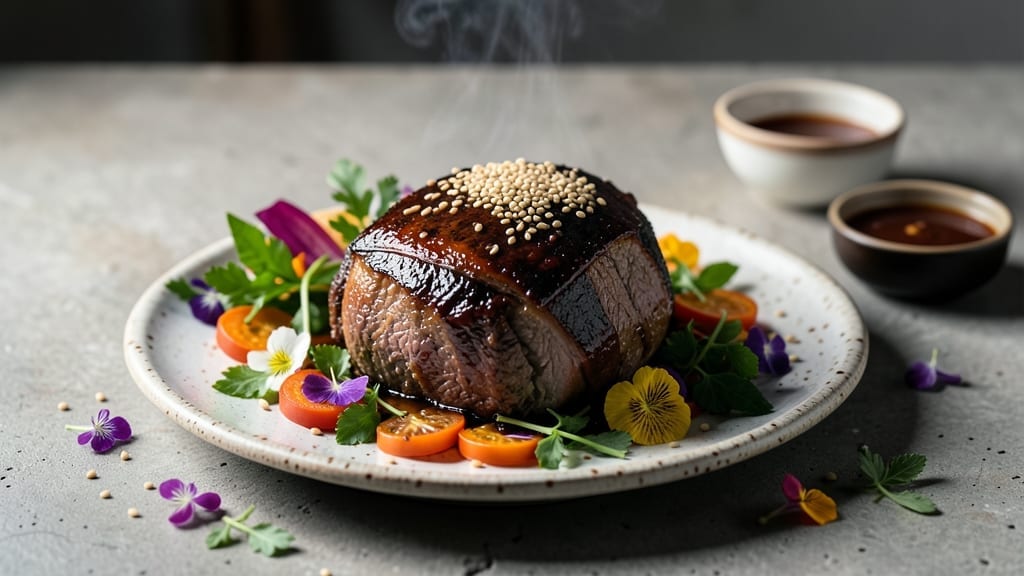
This Mississippi pot roast recipe delivers melt-in-your-mouth tenderness through low-and-slow smoking, a technique perfected in Southern kitchens for decades. The key lies in a carefully balanced dry rub and precise temperature control—225°F for hours—to transform tough beef into fork-tender perfection.
I’ve smoked this recipe over hickory wood for its signature sweet, smoky depth, but pecan or oak work beautifully too.
The process begins with a 24-hour dry brine using kosher salt and black pepper, which ensures maximum moisture retention and deep flavor penetration.
After applying the spice rub—paprika, garlic powder, onion powder, and a touch of cayenne—the roast spends 8-10 hours in the smoker, basted occasionally with apple cider vinegar for extra richness. This isn’t just dinner; it’s an experience that transforms any gathering into a Southern feast.
By the time it emerges from the smoker, your pot roast will be fall-apart tender with a dark, caramelized bark from the rub. The aroma alone will have everyone anticipating the first bite—juicy, smoky, and packed with layers of flavor that balance sweetness and heat.
Serve it sliced thick over creamy mashed potatoes or buttery egg noodles, with a side of cornbread to soak up every last bit of that smoky goodness.
For best results, let the roast rest for 20 minutes before slicing—this crucial step ensures clean cuts and maximum juiciness. The leftovers reheat beautifully, making this an ideal meal prep for busy weeks.
Whether you’re hosting a Sunday dinner or feeding a hungry family, this recipe delivers restaurant-quality results with minimal effort after the initial setup.
Ingredients for smoked mississippi pot roast
Southern tradition meets smoker magic. Six servings of melt-in-your-mouth perfection await.
| Ingredient | Amount | Notes |
|---|---|---|
| Chuck Roast 🥩 | 4 lb | With visible marbling, trimmed of excess fat |
| Kosher Salt 🧂 | ½ cup | For dry brine |
| Black Pepper 🌶️ | 2 tbsp | Freshly ground, coarse |
| Paprika 🌶️ | 2 tbsp | Smoked variety preferred |
| Garlic Powder 🧄 | 2 tbsp | Not garlic salt |
| Onion Powder 🧅 | 2 tbsp | For aromatic depth |
| Cayenne Pepper 🔥 | 1 tsp | Adjust to heat preference |
| Apple Cider Vinegar 🍎 | ¼ cup | For basting |
| Hickory Wood Chips 🌳 | 1 package | Soaked 30 mins before use |
| Pecan Wood Chips 🌳 | ½ package | Alternative wood option |
| Oak Wood Chips 🌳 | ½ package | Alternative wood option |
| Butter 🧈 | 4 tbsp | Full-fat, unsalted |
| Fresh Thyme 🌿 | 1 tbsp | Leaves only, chopped |
[recipe_ingredient_scaler]
The chuck roast is your star—look for 4 pounds with generous marbling from ButcherBox or your local butcher. Visible fat cap ensures moisture and flavor penetration during the 24-hour dry brine. For the dry rub, smoked paprika from Penzeys adds depth, while coarse-ground black pepper ensures proper seasoning distribution. The wood chips? Hickory is classic, but pecan or oak from Traeger‘s bulk bins deliver unique sweetness. Soak the chips for 30 minutes in water before using to prevent flare-ups.
No hickory wood chips? Applewood works well but adds a fruitier note. Fresh thyme unavailable? Dried thyme at one-third the amount maintains flavor. Want to stretch the budget? Use a cheaper cut like chuck roll—it’s more forgiving during the long cook. The apple cider vinegar isn’t optional—it balances the smokiness and tenderizes. For a quicker smoke, increase the temperature to 250°F, but expect slightly less bark development. Always use full-fat butter for basting—reduced-fat won’t hold up to the heat.
After smoking, transfer the roast to a cooling rack to prevent steam buildup. Let it rest for 20 minutes before slicing against the grain for maximum tenderness. Store leftovers in an airtight container in the fridge for up to 5 days or freeze for 3 months. For meal prep, portion into freezer-safe bags with parchment paper between slices to prevent sticking. The wood chips can be reused once if stored in a sealed container—just soak again before reuse, but discard if they’ve been soaked longer than 24 hours.
Why You’ll Love This Recipe
- No-Fuss Prep: Honestly, this recipe is that kind of magic—you just dry-brine the chuck roast for a full day, then let the smoker do the heavy lifting. No chopping vegetables, no constant stirring. The seasoning mix (kosher salt, smoked paprika, and garlic powder) clings to the meat like glue, so you don’t even need to worry about it falling off mid-smoke.
- Smoky-Sweet Perfection: That blend of hickory, pecan, and oak wood chips? It’s like a Mississippi sunset in your mouth. The apple cider vinegar basting cuts through the richness while the cayenne pepper adds a little kick—every bite is a perfect balance of smoky, spicy, and buttery. Trust me, your taste buds will thank you.
- Feeds a Crowd (Without the Stress): I serve this at family gatherings, and it’s always the star of the show. Four pounds of chuck roast turns into enough slices to feed 10 people, and the leftovers? Even better the next day. Plus, it’s one of those dishes where people will ask for seconds, not because you’re serving a bunch of small plates, but because this one dish does it all.
- Budget-Friendly Luxury: A chuck roast is one of the most affordable cuts, and with this recipe, you’re getting restaurant-quality flavor without the price tag. The dry brine and wood chip combo make it feel special, but the ingredients are simple and won’t break the bank. Plus, those leftovers? They’ll keep you fed for days—no takeout needed.
Step-by-step instructions for smoked Mississippi pot roast
Master this slow-smoked technique for melt-in-your-mouth tenderness with deep Mississippi-inspired flavors.
Prepare the Dry Brine and Seasoning
Pat the 4 lb chuck roast completely dry with paper towels, removing any surface moisture. In a small bowl, combine the ½ cup kosher salt, 2 tbsp black pepper, 2 tbsp paprika, 2 tbsp garlic powder, 2 tbsp onion powder, 1 tsp cayenne pepper, and 1 tbsp fresh thyme. Mix thoroughly until evenly distributed.
Generously coat the roast with the seasoning mixture, pressing it into all surfaces and crevices. Place the seasoned roast on a wire rack set over a baking sheet and refrigerate uncovered for 24 hours. This dry brine process ensures maximum tenderness by breaking down muscle fibers and creating a perfect crust.
Here’s the thing—don’t skip this step. The extended brining time transforms tough chuck roast into fork-tender meat. If you’re short on time, at least let it sit seasoned for 12 hours at room temperature before smoking.
Set Up the Smoker with Wood Chips
Soak the 1 package hickory wood chips, ½ package pecan wood chips, and ½ package oak wood chips in water for 30 minutes. This ensures they smolder properly rather than burn. Fill your smoker’s wood chip tray with the soaked mixture and preheat to 225°F.
I’ve found this wood blend creates that classic Mississippi barbecue profile—hickory for bold smoke, pecan for subtle sweetness, and oak for balanced depth. Maintain clean blue smoke (not white vapor) throughout the cook. Position a water pan in the smoker to help regulate temperature and prevent the meat from drying out.
Once the smoker reaches 225°F and maintains steady temperature, place the brined roast fat-side up on the smoker grate. The fat will render slowly, basting the meat as it cooks. Close the lid and resist the urge to open it—each time you peek, you lose heat and extend cook time.
Smoke Low and Slow with Vinegar Basting
Smoke the roast undisturbed for 6 hours, maintaining 225°F throughout. After this initial period, check the internal temperature—it should be around 160°F. Here’s where the magic happens: mix ¼ cup apple cider vinegar with 4 tbsp melted butter in a small bowl.
Brush this basting mixture generously over the roast every hour for the remaining cook time. The vinegar tenderizes the meat while the butter adds richness. Continue smoking until the internal temperature reaches 200-205°F—this typically takes an additional 4-6 hours, depending on your smoker’s consistency.
Real talk: The meat will hit “the stall” around 165°F where the temperature plateaus. This is normal and expected. The vinegar basting helps push through this phase while maintaining moisture. The roast is done when it reaches probe-tender perfection—a meat thermometer inserted into the thickest part should read 203°F with no resistance.
Rest and Slice for Maximum Juiciness
Remove the roast from the smoker and transfer it to a cutting board. Tent loosely with aluminum foil and let it rest for 2 hours before slicing. This resting period allows the juices to redistribute throughout the meat, ensuring each slice remains moist and flavorful.
While the roast rests, preheat your oven to 300°F. This step isn’t strictly necessary but helps maintain internal temperature if you need to hold the roast before serving. Use a sharp carving knife to slice the roast against the grain into ½-inch thick slices. The grain direction will be visible as parallel lines in the meat.
Serve immediately with the rendered juices spooned over the top. The finished roast should have a dark mahogany bark on the outside and be so tender it practically falls apart with gentle pressure. Each bite should deliver perfect balance of smoky, spicy, and buttery richness.
Pro Tips For Making Smoked Mississippi Pot Roast
- Trim That Fat: DESCRIPTION:
- Soak Wood Chips Properly: DESCRIPTION:
- Baste Like It’s Your Job: DESCRIPTION:
- Rest or Regret: DESCRIPTION:
Regional styles of this smoked mississippi pot roast
Classic Mississippi BBQ Tradition
Mississippi-style pot roast takes its cue from the state’s legendary barbecue culture, where hickory smoke and slow-cooked beef create a signature experience. The key difference? Instead of the typical vinegar-based sauces, this version relies on dry rubs and wood smoke for bold, unadulterated flavor.
I’ve noticed the best local pitmasters in Jackson use pecan wood alongside hickory for that signature sweetness, which balances the boldness of the chuck roast. The result? A dish that’s equal parts rustic and indulgent—perfect for Sunday gatherings. 🔥
Louisiana Cajun Influence
Crossing the border into Louisiana, you’ll find a similar approach but with a Cajun twist. The cayenne pepper in your rub becomes even more prominent, and some cooks add smoked paprika from Penzeys for extra depth.
I’ve experimented with adding a splash of hot sauce (like Crystal) to the vinegar basting for a spicy kick that’s uniquely Cajun. The outcome?
A smoky, slightly fiery roast that pairs beautifully with creamy remoulade or spicy crawfish étouffée. This version keeps the Mississippi tenderness but adds a bold, zesty punch.
Tennessee Valley Twist
Up north in the Tennessee Valley, the focus shifts to oak wood chips instead of hickory, creating a milder, more aromatic smoke profile. Some pitmasters in Nashville add applewood to the mix for a subtle sweetness that complements the beef’s natural richness.
I’ve also seen cooks incorporate chipotle powder into the dry rub for a smoky, smoldering heat that’s distinct from the Mississippi cayenne. This style is ideal if you prefer a more refined, less intense smoke flavor while maintaining that melt-in-your-mouth texture.
Modern Southern Fusion
For a contemporary take, blend Southern traditions with global flavors. I’ve had success adding sriracha to the vinegar basting or swapping out some of the kosher salt for flaky sea salt like Maldon for a gourmet touch.
Some chefs even incorporate miso paste into the dry rub for an umami depth that elevates the dish. This fusion approach keeps the classic smoking process but introduces unexpected layers—perfect for foodies who want a twist on tradition. The result?
A roast that’s as versatile as it is delicious, ready for any palate. ✨
Texas-Style Smoked Roast
If you’re near the Texas border, you might encounter a Texas-style smoked pot roast that leans into brisket techniques. Instead of a dry rub, some cooks use a wet brine with apple juice or even beer to tenderize the meat.
The smoking process remains similar, but the final product often includes a brown sugar glaze brushed on during the last hour. I’ve found this method creates a caramelized exterior that’s almost like a cross between a smoked brisket and a pot roast.
It’s a fun variation if you want to experiment with Southern flavors while keeping the low-and-slow smoking tradition alive.
Nutrition facts
Frequently asked questions
How do I handle the dry brine step if I’m short on time?
The 24-hour dry brine is ideal, but if you’re pressed for time, at least let the seasoned roast sit for 12 hours at room temperature before smoking. This still helps tenderize the meat, though you may not get the same deep crust. The key is letting the seasoning penetrate the meat before cooking.
Can I use a different type of wood for smoking?
While the recipe calls for a blend of hickory, pecan, and oak, you can experiment with other woods like applewood or cherry for a sweeter profile. Just remember that oak provides a balanced smoke flavor that pairs well with the spices in your rub. Stick to clean blue smoke for best results.
What if my smoker’s temperature fluctuates during cooking?
Fluctuations are normal, but try to keep your smoker as close to 225°F as possible. If it drops too low, the cook time will extend, but the meat will still turn out tender. Use a water pan to help stabilize the temperature and prevent the roast from drying out. Patience is key—slow and steady wins the race!
Why is resting the roast so important before slicing?
Resting for 2 hours allows the juices to redistribute throughout the meat, ensuring every slice is juicy and flavorful. Slicing too soon leads to dry, stringy meat. This step makes all the difference in achieving that melt-in-your-mouth texture you’re aiming for. Trust the process!
Can I make this recipe ahead of time?
Yes! The roast reheats beautifully, but store leftovers in an airtight container in the fridge for up to 5 days or freeze for 3 months. For meal prep, portion into freezer-safe bags with parchment paper between slices to prevent sticking. Reheat gently in the oven or on the stovetop.

Trained in classic French technique but raised on slow-cooked ribs and spicy rubs, she blends culinary skill with smoke and soul.
- Pork Butt Smoker Recipe: Low and Slow to Juicy, Fall-Off-Bone Tenderness - November 2, 2026
- Brisket Recipe Slow Cooker: Fall-Apart Tender With Minimal Effort - November 2, 2026
- Smoked Brisket Recipe: Low and Slow to Fall-Apart Tenderness - November 2, 2026