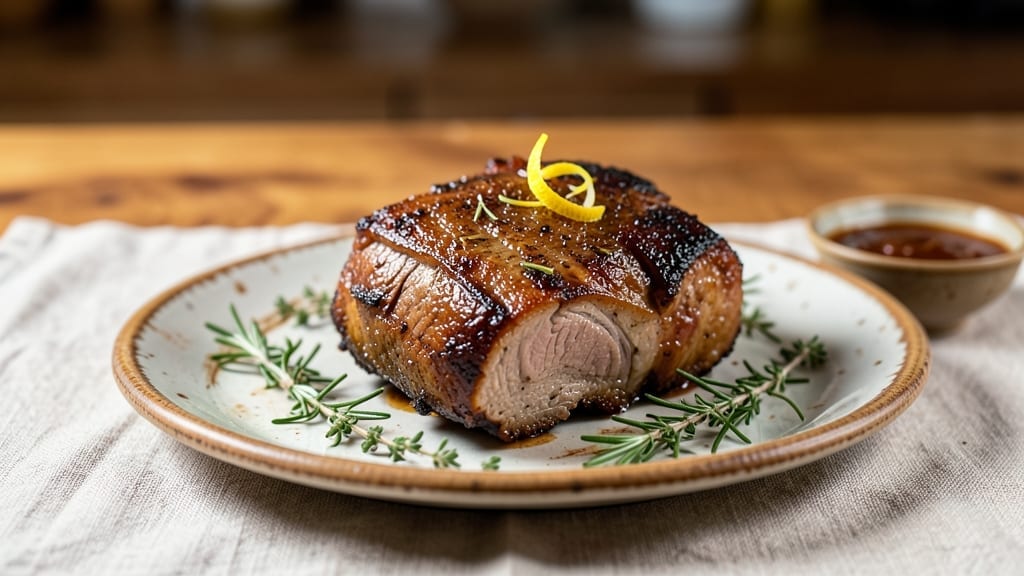
Mastering smoked pork butt transforms tough cuts into melt-in-your-mouth perfection with a deep, flavorful bark. Standing on a step stool in my grandmother’s kitchen in Sicily, I learned how slow cooking unlocks meat’s natural richness—now I’m sharing that same patience and precision for your smoker.
The key lies in the low-and-slow process, where time and temperature work together to break down collagen into tender, juicy layers.
This recipe balances tradition with modern efficiency, using a simple dry rub that clings to the meat while the smoker does the heavy lifting.
Whether you prefer hickory’s bold smokiness or fruitwood’s subtle sweetness, the choice of wood shapes the final flavor profile without overpowering the pork’s natural depth. Fall-apart tenderness is guaranteed when you nail the 225°F temperature and let the meat rest properly before slicing.
By the time you pull that pork butt from the smoker, the bark will be dark and crackling, while the interior yields effortlessly to your knife or fork.
The aroma alone—smoky, savory, and irresistible—will have everyone gathering around your table. Serve with classic sides like creamy mac and cheese or tangy coleslaw to complete the meal.
Here’s where the magic happens: patience pays off in every bite. Let’s get started on your journey to restaurant-quality smoked pork butt at home.
Ingredients for smoked pork butt
A few simple ingredients transform tough pork butt into restaurant-quality smoked perfection.
| Ingredient | Amount | Notes |
|---|---|---|
| Pork Butt Roast 🐖 | 8 lb | Bone-in, well-marbled cut preferred |
| Yellow Mustard 🍯 | ½ cup | For initial coating and stickiness |
| Kosher Salt 🧂 | ½ cup | Diamond Crystal preferred for texture |
| Black Peppercorns 🌶️ | 2 tbsp | Freshly cracked for maximum flavor |
| Smoked Paprika 🌶️ | 2 tbsp | For deep smoky flavor profile |
| Garlic Powder 🧄 | 1 tbsp | Not garlic salt |
| Onion Powder 🧅 | 1 tbsp | For subtle sweetness |
| Brown Sugar 🍚 | 2 tbsp | Light or dark, for balance |
| Ground Cumin 🌿 | 1 tbsp | Toasted for deeper aroma |
| Chopped Fresh Rosemary 🌿 | 2 tbsp | Freshly chopped, stems removed |
| Chopped Fresh Thyme 🌿 | 2 tbsp | Freshly chopped, stems removed |
| Wood Chips (Hickory or Fruitwood) 🌳 | 2 cups | Soaked for 30 minutes before smoking |
| Apple Juice or Cider Vinegar 🍎 | ¼ cup | For spritzing during cook |
[recipe_ingredient_scaler]
The pork butt is the star—look for a well-marbled cut with visible fat throughout. Costco or local butchers often carry the best bone-in roasts, but don’t overlook the meat section at Whole Foods if you’re short on time. A bone-in cut stays juicier during the long cook. If you’re buying a whole shoulder, ask the butcher to trim it into a single roast for even cooking. The mustard coating is non-negotiable—it helps the rub stick and creates that coveted bark. Grab any yellow mustard from the condiment aisle, but French’s or Hellmann’s are reliable choices. For the wood chips, Traeger or Butcher’s Broom brands are my go-to for consistent results.
No smoked paprika? Regular paprika plus a pinch of liquid smoke gets you close, but the flavor won’t be as authentic. Fresh rosemary and thyme are ideal, but dried works at one-third the amount if you’re in a pinch. The brown sugar helps caramelize the bark—don’t skip it, but don’t overdo it either. For the wood chips, hickory gives bold smokiness while fruitwood adds subtle sweetness. If you can only find one, go with hickory—it’s the most versatile. The apple juice or vinegar spritz keeps the bark from getting too hard during the cook, so don’t skip this step (trust me on the full-fat version).
This pork butt reheats beautifully—honestly tastes better the next day once everything melds. Store leftovers in the fridge for 5-6 days or freeze for 3 months. I always portion mine into individual containers so lunches are sorted for the week. The bark gets crunchier as it sits, so if you’re serving it fresh off the smoker, save some of that crackling for later. For the wood chips, store them in an airtight container in a cool, dark place—they’ll last for 6-12 months if kept dry.
Why You’ll Love This Recipe
- Low-Effort Masterpiece: Honestly, the only prep work you’ll do is slathering that pork butt with mustard and slapping on the rub—no fancy prep here. The real magic happens in the smoker while you relax, sip something cold, and pretend you’re doing more than just waiting.
- Smoky, Spiced Perfection: That blend of smoked paprika, cumin, and fresh rosemary? It’s like a flavor explosion in every bite. The bark is crispy, the inside is tender, and the apple juice spritz keeps it from drying out—trust me, it’s that good.
- Feeds a Crowd (and Your Wallet): An 8 lb pork butt might sound like a lot, but it’s basically a meaty feast for days. Serve it at a BBQ, pack leftovers for lunch, or even freeze half for a lazy Sunday dinner. And with a well-marbled cut, you’re getting serious flavor for your buck.
- Weeknight Hero: Between the overnight dry-brine and the slow cook, it’s not the fastest dish—but it’s worth every minute. Plus, while it’s smoking, you can prep sides or just veg out. By dinner, you’ve got a showstopper with minimal effort.
Step-by-step instructions for smoked pork butt
Here’s the method I’ve perfected for achieving melt-in-your-mouth pork butt with a perfect bark every time.
Prepare the Rub and Coat the Pork Butt
In a large bowl, combine the ½ cup kosher salt, 2 tablespoons black peppercorns (freshly cracked), 2 tablespoons smoked paprika, 1 tablespoon garlic powder, 1 tablespoon onion powder, 2 tablespoons brown sugar, 1 tablespoon ground cumin, 2 tablespoons chopped fresh rosemary, and 2 tablespoons chopped fresh thyme. Mix thoroughly to create a well-blended dry rub.
Pat the 8 lb pork butt roast dry with paper towels, removing any excess moisture from the surface. This step is crucial for developing that coveted bark. Spread the ½ cup yellow mustard evenly over the entire surface of the pork butt, then generously coat it with the dry rub mixture, pressing it into the meat so it adheres well. The mustard acts as a binder that helps the rub stick and creates a sticky exterior that promotes better bark formation.
Place the rubbed pork butt on a wire rack set over a baking sheet and refrigerate uncovered for at least 4 hours, or preferably overnight. This dry-brining process enhances flavor penetration and helps create a more tender final product. The longer it rests, the better the results.
Set Up the Smoker and Preheat
Soak the 2 cups wood chips (hickory or fruitwood) in water for 30 minutes before using. This prevents them from burning too quickly and producing bitter smoke. Fill your smoker’s wood chip tray with the soaked wood chips and preheat to 225°F. I’ve found this low-and-slow temperature is essential for achieving that perfect balance of tenderness and flavor.
Allow the smoker to come to temperature and establish a steady stream of clean, blue smoke. The smoke should be thin and wispy, not thick and white. This indicates proper combustion and the right temperature for smoking. Once the smoker reaches 225°F and you see consistent smoke, you’re ready to begin the cooking process.
Place the pork butt fat-side up on the smoker grates. The fat cap helps protect the meat during the long cook and adds flavor as it renders. Close the lid and resist the urge to open it frequently—each time you peek, you lose heat and potentially alter the cooking process.
Smoke and Monitor the Cooking Process
Smoke the pork butt undisturbed for 6-8 hours. During this time, the internal temperature will gradually rise. I recommend using a leave-in meat thermometer for accuracy. The pork butt is ready for the “Texas crutch” technique when the internal temperature reaches 165-170°F. This is when you’ll hit the “stall,” a period where the temperature stops rising despite the heat.
At this point, wrap the pork butt tightly in butcher paper (not aluminum foil). The paper allows some moisture to escape while still protecting the bark. This wrapping technique helps push the pork butt through the stall and continues the cooking process more efficiently. Return it to the smoker and continue cooking.
Continue smoking until the internal temperature reaches 203°F. This final temperature ensures the pork butt will be fork-tender and pull apart easily. The entire cooking process typically takes 12-16 hours total, depending on your smoker’s consistency and the size of your pork butt.
Spritz and Rest for Maximum Tenderness
About 2 hours before the pork butt reaches the target temperature, begin spritzing it every hour with a mixture of ¼ cup apple juice or cider vinegar and ¼ cup hot water. This step adds moisture and helps maintain the bark while keeping the meat tender. The acidity in the vinegar also enhances the flavor profile.
When the pork butt reaches 203°F and the probe slides in like butter with no resistance, it’s time to remove it from the smoker. Place the wrapped pork butt on a cutting board and tent loosely with aluminum foil. Let it rest for at least 1 hour, or preferably 2 hours. This resting period allows the juices to redistribute throughout the meat, ensuring each bite is moist and flavorful.
During this resting time, the internal temperature will rise another 5-10 degrees due to carryover cooking. This is normal and actually improves the texture of the meat. The pork butt should be ready to slice when the internal temperature reaches 208-210°F.
Slice and Serve
After resting, carefully unwrap the pork butt and locate the natural grain direction. Using a sharp carving knife, slice the pork butt against the grain into ½-inch thick slices. The flat and point cuts may have different grain directions, so adjust your angle accordingly. Each slice should pull apart easily with minimal resistance.
Serve the smoked pork butt immediately while still warm. The exterior should have a dark, mahogany bark with a crispy texture, while the interior is tender and juicy. The pork butt should pull apart easily with just a gentle tug, indicating perfect tenderness. This dish pairs beautifully with classic barbecue sides like coleslaw, baked beans, and cornbread.
Pro Tips For Making Smoked Pork Butt
- Crack Pepper Like a Pro: I used to buy pre-ground black peppercorns—big mistake. Freshly cracking the 2 tbsp black peppercorns right before mixing them into the rub makes a real difference. The oils burst when crushed, giving that sharp, bright kick the recipe needs. Use a proper pepper grinder, not a cheap one that clogs halfway.
- Don’t Rush the Mustard Spread: That ½ cup yellow mustard isn’t just glue—it’s the foundation for bark. Slather it on evenly and thinly before the rub. Thick globs burn before the rub sticks, and missed spots mean patchy crust. Take 10 minutes to do it right; your pork butt will thank you.
- Stall? Wrap Now: Hit the 165-170°F stall? That’s your cue to butcher paper wrap—not foil. Foil traps steam and turns your bark to mush. Butcher paper lets just enough moisture escape while keeping the rub intact. I’ve seen people ignore this and end up with soggy, flavorless meat. Don’t be that person.
- Toast the Cumin First: Dry-toast the 1 tbsp ground cumin in a pan for 2 minutes until it smells deeply earthy. This step cuts the raw, bitter edge and amplifies the smoky notes from the 2 tbsp smoked paprika. Skipping it? Your rub will taste flat—trust me, I’ve burned that bridge.
Pro cooking tips for this dish
Temperature Control
I swear by maintaining that 225°F smoker temperature—it’s non-negotiable for that perfect balance of tenderness and bark. My ThermoWorks Smoke probe thermometer sits inside the pork butt while another monitors the smoker, so I never have to guess. If your smoker runs hot, reduce the heat slightly—consistency is key. 🌡️
The Texas Crutch
When the pork butt hits 165-170°F and the stall sets in, wrap it tightly in butcher paper—not foil. The paper lets moisture escape just enough to keep the bark intact while pushing through the stall.
This step saves 2-3 hours of cook time and keeps the meat juicy. I’ve tried foil, and the bark gets soggy.
Spritzing Secrets
That apple juice or vinegar spritz every hour is a game-changer. I mix ¼ cup apple juice with ¼ cup hot water and spritz generously. It keeps the bark from drying out while adding moisture—trust me, the flavor deepens too.
Don’t skip this step, or you’ll end up with a dry exterior. 💧
Resting Like a Pro
After reaching 203°F, I let the pork butt rest for at least 2 hours—sometimes even 4 hours if I’m hosting. This isn’t just a suggestion; it’s science.
Juices redistribute, and the meat becomes fork-tender. I cover it loosely with foil to trap heat, not steam. Patience here makes all the difference.
Knife Work Matters
Slicing against the grain is non-negotiable for tenderness. I use a sharp 12-inch carving knife and cut ½-inch slices—thicker slices are fine, but thinner ones melt in your mouth.
The flat and point cuts have different grain directions, so rotate the board mid-slice. A dull knife tears the meat; a sharp one glides effortlessly. 🔪
Nutrition facts
Frequently asked questions
Why does the pork butt need to rest after smoking?
The 2-hour rest lets juices redistribute throughout the meat, ensuring every bite is moist. This step is essential for achieving that perfect tenderness—skipping it results in dry slices. Think of it like letting bread cool after baking; patience makes all the difference.
Can I use aluminum foil instead of butcher paper during the “Texas crutch”?
Butcher paper is key—aluminum foil traps too much moisture, softening the bark and making it soggy. The paper lets just enough moisture escape while keeping the exterior crispy. Trust me, the bark will thank you!
What if my smoker runs hotter than 225°F?
Adjust the heat slightly to maintain 225°F—consistency is critical. If your smoker struggles, try adding more wood chips or lowering the heat gradually. A reliable thermometer is your best friend here.
How do I tell if the pork butt is done?
Check for 203°F internally with a meat thermometer, and the probe should slide in like butter. The meat should also pull apart easily with minimal resistance. If unsure, wait a few more minutes—overcooking is easy, but undercooking ruins the texture.
Can I make this recipe ahead of time?
The pork butt tastes even better the next day. Store leftovers in the fridge for 5-6 days or freeze for 3 months. The bark gets crunchier as it sits, so save some for later. Reheat gently in the oven to preserve that perfect texture.

Trained in classic French technique but raised on slow-cooked ribs and spicy rubs, she blends culinary skill with smoke and soul.
- Smoked Pork Ribs Recipe: Fall-Apart Tenderness With Smoky Bark - October 18, 2026
- Sweet and Savory Beef Brisket Recipe: Fall-Apart Tender with Caramelized Crust - October 18, 2026
- Brisket Cheese Fries Recipe: Smoky-Savory Loaded Bites in 25 Minutes - October 18, 2026