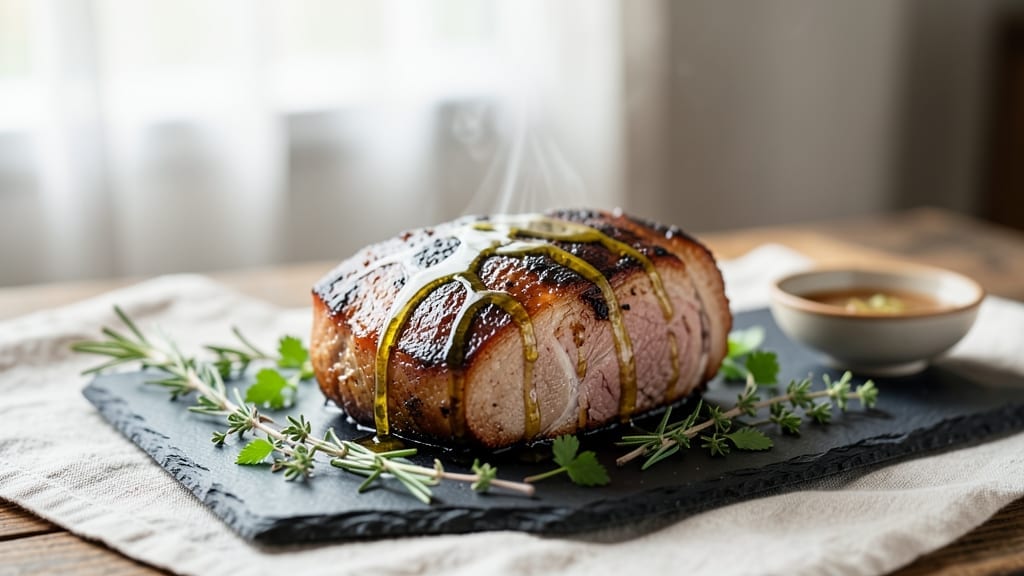
Mastering smoked pork on your smoker transforms tough cuts into melt-in-your-mouth tenderness that rivals professional BBQ. I’ve spent countless hours perfecting this low-and-slow method, and the results—juicy, flavorful pork with a perfect bark—are worth every minute.
The secret lies in precise temperature control, the right wood choice, and patience that pays off in every bite.
This recipe starts with a simple brine or dry rub to enhance flavor and moisture retention, then moves to the smoker where oak or hickory wood infuses deep, smoky notes. Maintaining a steady 225°F temperature ensures even cooking, while frequent internal temperature checks guarantee perfect doneness.
The key to success is letting the pork rest after smoking, allowing juices to redistribute for maximum tenderness.
By the time you’re done, you’ll have pork so tender it practically falls apart, with a rich, smoky flavor that elevates any meal. Whether you’re serving it on buns, over mashed potatoes, or with a fresh slaw, this method delivers restaurant-quality results at home.
The presentation is just as important as the cooking process—let’s make your smoked pork shine.
This technique works beautifully for pork shoulder, ribs, or even pulled pork, making it versatile for different occasions. The beauty of smoking is that it enhances natural flavors while creating that unmistakable wood-fired taste. Once you try this method, you’ll never settle for anything less than perfectly smoked pork again.
Ingredients for smoked pork recipe smoker
Pantry staples meet smoker magic for pork so tender it melts in your mouth.
| Ingredient | Amount | Notes |
|---|---|---|
| Pork Shoulder (Boston Butt) 🥩 | 3 lb | Bone-in preferred for flavor |
| Yellow Mustard 🍯 | ¼ cup | For sticky bark formation |
| Brown Sugar 🍚 | ½ cup | Packed, for caramelization |
| Smoked Paprika 🌶️ | 2 tbsp | For deep smoky flavor |
| Garlic Powder 🧄 | 1 tbsp | Freshly ground preferred |
| Onion Powder 🧅 | 1 tbsp | For balanced seasoning |
| Black Pepper 🌶️ | 1 tbsp | Freshly cracked for heat |
| Kosher Salt 🧂 | 1 tbsp | Diamond Crystal preferred |
| Oak Wood Chips 🌳 | 1 package | For authentic smoky flavor |
| Apple Cider Vinegar 🍎 | ½ cup | For tenderizing brine |
| Granulated Sugar 🍬 | ¼ cup | For brine balance |
| Bay Leaves 🍃 | 2 whole | For aromatic depth |
| Fresh Thyme 🌿 | ¼ cup | Chopped, for herbal notes |
| Unsalted Butter 🧈 | ½ cup | Cold, for finishing rub |
[recipe_ingredient_scaler]
The pork shoulder is non-negotiable here—bone-in delivers the best flavor and moisture. Grab a 3-pound cut from Costco or your butcher shop, and ask for the Boston butt specifically. Look for good marbling (those white fat streaks) and avoid anything with a yellowish tint. If you’re using a brine, use apple cider vinegar and granulated sugar to tenderize while adding subtle sweetness. For the rub, smoked paprika is key—Penzeys or Trader Joe’s have the best quality. Oak wood chips? Store-bought works fine, but if you’re ambitious, split your own green oak and soak it overnight.
No smoked paprika? Regular paprika plus a pinch of liquid smoke gets you close. Fresh thyme out of season? Dried works at half the amount. The mustard and brown sugar combo is crucial for that perfect bark—don’t skip it. For the wood, hickory works too, but oak has a more traditional BBQ profile. If you’re short on time, a dry rub only still gives amazing results. The butter at the end? Cold and cubed—it melts into the bark during the last few minutes for extra richness.
This pork keeps for 5 days in the fridge, wrapped tightly in foil. For longer storage, freeze portions for up to 3 months. I always make a double batch—one for sandwiches, one for pulled pork tacos. The leftovers reheat beautifully in a 350°F oven with a splash of broth. For serving, slice against the grain for maximum tenderness. Trust me, the first bite is worth the wait.
Why You’ll Love This Recipe
- No-Fuss Feast: Honestly, the only prep work here is mixing the dry rub—no chopping, no fuss. The vinegar brine does all the heavy lifting while you nap or binge your favorite show. Just slather that sticky, sweet yellow mustard and brown sugar mix on, and the smoker handles the rest.
- Smoky-Sweet Perfection: That smoked paprika and garlic powder combo? It’s like a flavor hug for your taste buds. The apple cider vinegar brine keeps it tender, while the oak wood chips add that deep, woodsy aroma. Every bite is a balance of smoky, sweet, and just a touch of tang—dangerously good.
- Leftovers That Win: I always make extra because this pork keeps for 5 days in the fridge. Shred it into tacos, toss it into sandwiches, or freeze portions for lazy weeknight meals. My kids beg for seconds, and honestly? I don’t blame them.
- Budget’s Best Friend: A 3 lb pork shoulder feeds a crowd without breaking the bank, and the ingredients? Most of them are pantry staples. The kosher salt and black pepper stretch far, and the butter-thyme finish feels fancy but costs next to nothing. Smoke one, save the rest.
Step-by-step instructions for smoked pork shoulder
Here’s the method that guarantees melt-in-your-mouth tenderness with that perfect smoky crust.
Prepare the Tenderizing Brine
In a large bowl, combine the ½ cup apple cider vinegar, ¼ cup granulated sugar, and 2 bay leaves. This acidic mixture will break down tough muscle fibers in the pork shoulder, creating that signature fork-tender texture. Stir until the sugar dissolves completely, then add the 3 lb pork shoulder (Boston Butt) and turn to coat evenly. Place the bowl in the refrigerator and let it brine for 12-24 hours, turning the meat occasionally. The acid works best when the pork stays submerged.
Here’s the thing—don’t skip this step. The vinegar doesn’t just tenderize; it also helps develop that beautiful pink smoke ring later. After brining, pat the pork dry with paper towels, removing all surface moisture. This drying step is crucial for that perfect bark formation during smoking.
Create the Dry Rub and Season
In a small bowl, mix together the ¼ cup yellow mustard, ½ cup brown sugar, 2 tbsp smoked paprika, 1 tbsp garlic powder, 1 tbsp onion powder, 1 tbsp black pepper, and 1 tbsp kosher salt. The mustard acts as a binder for the rub while creating that sticky, caramelized bark. Rub this mixture all over the dried pork shoulder, pressing firmly so it adheres well. Pay special attention to the fat cap—this is where the most flavor will develop.
Let the rubbed pork shoulder sit at room temperature for 1 hour before smoking. This resting period allows the rub to penetrate slightly and ensures even cooking. I like to place it on a wire rack set over a baking sheet to catch any drips—this keeps your workspace clean and prevents flavor transfer.
Set Up the Smoker for Low-and-Slow Cooking
Fill your smoker’s wood chip tray with the 1 package oak wood chips and soak them in water for 30 minutes before use. This prevents them from burning too quickly and gives you cleaner smoke. Preheat your smoker to 225°F with the lid closed. You’ll know it’s ready when you see steady, thin blue smoke (not thick white smoke) coming from the chimney. Place a water pan in the smoker to maintain moisture throughout the cook.
Position the pork shoulder fat-side up on the smoker grate. The rendered fat will baste the meat as it cooks, adding moisture and flavor. Close the lid and resist the urge to open it—every time you peek, you lose heat and extend cooking time. This is where patience pays off; low-and-slow is the key to tender smoked pork.
Smoke Until Probe-Tender
Smoke the pork shoulder undisturbed for 8-10 hours, maintaining a consistent 225°F temperature. The cooking time will vary based on your smoker’s performance, but you’re looking for an internal temperature of 195-203°F at the thickest part of the shoulder. This is when the collagen breaks down completely, transforming tough connective tissue into silky gelatin.
Here’s what to watch for: around the 6-hour mark, you’ll notice the temperature stall—when the internal temp stops rising despite the smoke continuing. This is normal and happens as moisture evaporates. Don’t panic; just let it continue cooking. When the meat reaches 195°F, it should be fork-tender with no resistance when you insert a probe.
Wrap and Finish for Maximum Juiciness
Once the pork reaches 195°F, remove it from the smoker and wrap it tightly in heavy-duty aluminum foil. Place the wrapped pork back in the smoker and continue cooking until it reaches 203°F. This final step, called the “Texas Crutch,” helps break down any remaining connective tissue while preserving that beautiful bark. The wrapped pork will cook for another 2-4 hours at this stage.
When the pork reaches 203°F, remove it from the smoker and let it rest for 1 hour before slicing. During this rest, the juices redistribute throughout the meat, ensuring each bite is moist and flavorful. While it rests, melt the ½ cup unsalted butter with the ¼ cup fresh thyme in a small saucepan over low heat. This butter-thyme mixture will elevate your sliced pork to another level of richness.
Slice and Serve with Finishing Touches
Using a sharp carving knife, slice the pork shoulder against the grain into ¼-inch thick slices. The grain will be visible as lines running through the meat. Arrange the slices on a serving platter and brush each piece with the melted butter-thyme mixture. This final step adds a luxurious finish that ties all the flavors together.
Serve immediately with any accumulated juices from the resting period spooned over the top. Each slice should be fork-tender with a beautiful mahogany bark on the outside and that signature pink smoke ring just beneath. The combination of smoky, sweet, and herby flavors makes this pork shoulder truly unforgettable.
Pro Tips For Making Smoked Pork Recipe Smoker
- Soak Wood Chips: I learned this the hard way—dry wood chips burn fast and choke your smoker with bitter smoke. Soak that 1 package oak wood chips for 30 minutes before using, then drain well. The result? Cleaner smoke and that perfect balance of flavor without acrid overtones.
- Press the Rub Hard: The fat cap isn’t just for looks—it’s where the magic happens. When you mix and rub the ½ cup brown sugar, 2 tbsp smoked paprika, and ¼ cup yellow mustard into the pork, press that rub into the fat like you’re trying to make it disappear. I used to slap it on lightly, and the bark never stuck as well.
- Ignore the Stall: Around the 6-hour mark, your smoker’s temp probe will lie to you—the internal temp flatlines while the clock keeps ticking. That’s normal. The moisture’s evaporating, but the collagen’s still breaking down. Keep the lid closed and trust the 225°F—patience here is what turns tough meat into pull-apart perfection.
- Rest Before Slicing: Skipping the 1-hour rest after hitting 203°F is the fastest way to dry, stringy pork. Let those juices settle back into the meat while you melt the ½ cup unsalted butter with the ¼ cup fresh thyme. Your knife will glide through the slices, and every bite will be juicy—no excuses.
Common mistakes when making this recipe
Skipping the Brine
One of my biggest mistakes early on was skipping the apple cider vinegar brine. I thought I could save time, but the pork turned out dry and lacked that signature pink smoke ring.
The acid in the vinegar breaks down tough fibers, creating tenderness that dry rub alone can’t match. If you’re short on time, at least pat the pork dry thoroughly—surface moisture ruins bark formation. 🔥
Ignoring the Stall Phase
When the internal temperature hits 160°F and stops rising despite continuous smoking, that’s the infamous “stall.” Many beginners panic and crank up the heat, which creates uneven cooking. Instead, let it stall naturally—this is when collagen breaks down.
I learned this the hard way when my pork ended up chewy in spots. Patience is key during this 6-8 hour phase. ⏰
Overlooking the Fat Side
Positioning the pork fat-side down is a common error that leads to dry meat. The fat renders and bastes the meat as it cooks, keeping it moist. I once accidentally flipped it wrong, and the bark turned out tough while the inside stayed dry.
Always place it fat-side up—this is non-negotiable for that perfect bark. Trust me, the extra effort is worth it. 🥩
Rushing the Resting Time
After smoking, I used to slice into the pork immediately, only to find dry, uneven bites. The resting period—1 hour minimum—lets juices redistribute. I’ve sliced too soon and ended up with a sad, dry mess.
Let it rest in a cooler wrapped in towels; this is when the magic happens. Your patience here pays off with every forkful. 💫
Using Wrong Wood Chips
Nutrition facts
Frequently asked questions
Why does my smoker keep losing temperature?
Consistent temperature control is key for perfect smoked pork. If your smoker struggles to maintain 225°F, check for drafts near the smoker or ensure your lid is properly sealed. Adding a water pan helps stabilize heat—it absorbs heat fluctuations and releases moisture, creating a more even cooking environment. Also, avoid opening the lid frequently, as each opening can drop the temperature by 25-30°F.
How do I know when the pork is truly done?
The “probe test” is your best friend! Insert a meat thermometer into the thickest part of the pork shoulder—it should reach 195-203°F for that signature fork-tender texture. The temperature stall (when it stops rising despite continued smoking) is normal around 160°F—this is when collagen breaks down. Don’t panic; just let it cook until it hits the target range.
Can I use a different wood for smoking?
Oak and hickory are classic choices, but you can experiment with fruitwoods like cherry or apple for a sweeter profile. Just avoid mesquite or pecan—they can overpower the pork’s natural flavor. If using alternative woods, soak the chips for 30 minutes to prevent burning and ensure clean smoke.
What if I don’t have fresh thyme?
No problem! Dried thyme works perfectly—just use half the amount of fresh thyme called for in the butter mixture. The flavor will still be rich and aromatic. If you’re really short on time, even a pinch of dried oregano can add depth, though thyme is the traditional choice for this recipe.
How do I store leftovers without drying them out?
Wrap the cooled pork tightly in heavy-duty aluminum foil and place it in an airtight container. It keeps for 5 days in the fridge. For longer storage, freeze portions in individual bags for up to 3 months. To reheat, warm in a 350°F oven with a splash of broth or apple juice to keep it moist.

Trained in classic French technique but raised on slow-cooked ribs and spicy rubs, she blends culinary skill with smoke and soul.
- Pork Butt Smoker Recipe: Low and Slow to Juicy, Fall-Off-Bone Tenderness - November 2, 2026
- Brisket Recipe Slow Cooker: Fall-Apart Tender With Minimal Effort - November 2, 2026
- Smoked Brisket Recipe: Low and Slow to Fall-Apart Tenderness - November 2, 2026