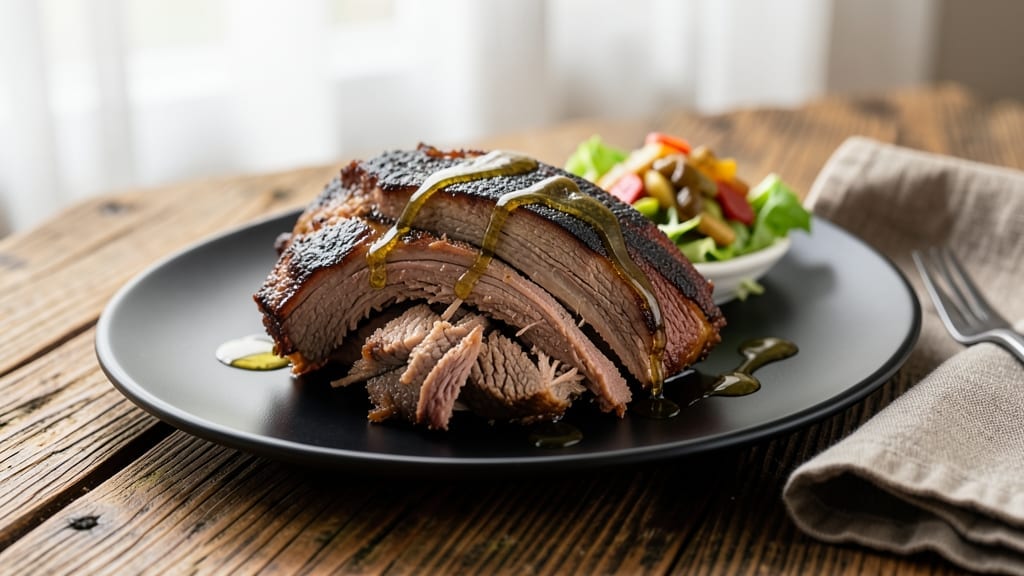
Mastering smoked pulled pork butt starts with one simple truth: the vinegar-brine secret transforms tough pork into melt-in-your-mouth perfection. Growing up in small-town Georgia, I learned that tender pulled pork isn’t about luck—it’s about science, patience, and a few non-negotiable techniques that turn a simple cut into a showstopper.
This recipe delivers restaurant-quality results with a method I’ve perfected over years of smoking competitions and pitmaster challenges.
The key lies in the prep: a vinegar brine tenderizes the meat while balancing flavors, and precise temperature control during the smoke ensures that stall phase doesn’t ruin your progress. We’re talking about juicy, tender pork that falls apart at the touch of a fork, not dry or chewy results.
The secret weapon? A meat thermometer and knowing exactly when to wrap—no guesswork, just foolproof technique.
By the time you pull that pork apart, you’ll have a dish that’s worth the wait: rich, smoky, and packed with flavor that lingers long after the last bite. The vinegar brine adds depth without overpowering, while the slow smoke infuses the meat with that unmistakable BBQ character.
This isn’t just pulled pork—it’s a centerpiece for your table, perfect for gatherings or a special weekend meal.
Serve it on buns with tangy coleslaw, on biscuits with honey butter, or even in tacos—this pork adapts to any occasion. The best part? Every bite delivers on that promise of tender, juicy perfection. Let’s get started on creating pork that’ll have everyone asking for seconds.
Ingredients for smoked pulled pork butt
Pork butt, vinegar brine, and wood smoke—just three essentials for restaurant-quality pulled pork.
| Ingredient | Amount | Notes |
|---|---|---|
| Pork Butt (Bone-In) 🍖 | 8 lb | Fresh, not frozen, with good marbling |
| White Vinegar 🍶 | 1 cup | Distilled, not apple cider |
| Brown Sugar 🍚 | ½ cup | Light or dark, packed |
| Kosher Salt 🧂 | ¼ cup | Diamond Crystal preferred |
| Garlic Powder 🧄 | 2 tbsp | Freshly ground preferred |
| Onion Powder 🧅 | 2 tbsp | Not onion salt |
| Ground Black Pepper 🌶️ | 1 tbsp | Freshly cracked |
| Yellow Mustard 🍯 | 2 tbsp | Dijon preferred for depth |
| Apple Juice 🍎 | 1 cup | Unsweetened, for balance |
| Wood Chips (Hickory or Oak) 🌳 | 2 lb | Unsoaked, food-grade |
| Butcher Paper 📄 | 1 sheet | For wrapping during stall |
| Aluminum Foil 📦 | 1 sheet | Heavy-duty, for final wrap |
| Barbecue Sauce (Optional) 🍅 | 1 cup | For serving, not cooking |
[recipe_ingredient_scaler]
The pork butt is the star, so don’t skimp. Look for a cut with good marbling—that’s the fat within the meat, not just the outer layer. Costco or your local butcher are great spots; ask for a bone-in roast if possible. Bone-in stays juicier during the long smoke. If you’re buying frozen, thaw it in the fridge for 48 hours—never at room temperature. The vinegar and brown sugar in the brine are non-negotiable: the vinegar tenderizes while balancing the sweetness, and the brown sugar caramelizes during the smoke for that classic bark. I always double-check the Diamond Crystal kosher salt—it’s coarser and dissolves better than table salt.
No white vinegar? Apple cider vinegar or lemon juice works in a pinch, but cut the amount to 3/4 cup—they’re milder. Short on brown sugar? Honey or maple syrup adds moisture but changes the flavor profile slightly. If you’re missing garlic or onion powder, fresh minced garlic and onion (about 1/2 cup each) will elevate the flavor dramatically. For the wood chips, hickory gives classic BBQ flavor, while oak adds a slightly sweeter note. If you can’t find unsweetened apple juice, white grape juice is a decent substitute. The butcher paper and foil are critical for the wrap—heavy-duty foil prevents steam from escaping during the stall phase.
This pork is a make-ahead masterpiece. The brine can sit in the fridge for up to 48 hours—I usually do it overnight. The smoked pork keeps well for 5-7 days in the fridge, wrapped tightly in foil. For longer storage, freeze portions for up to 3 months. The best part? It tastes even better the next day as the flavors meld. I always portion it into 1-pound servings for easy reheating—just add a splash of broth or apple juice when warming to keep it moist. Leftovers reheat beautifully in a slow cooker on low for 2-3 hours, or in the oven at 300°F until heated through.
Why You’ll Love This Recipe
- Vinegar Trick Magic: The white vinegar doesn’t just tenderize—it infuses that pork butt with a subtle tang and depth you won’t get from dry rubs alone. I’ll be real: the first time I tasted it, I thought, Whoa, this isn’t your average pulled pork. The garlic powder and onion powder kick it up a notch, making every bite complex without overpowering.
- One-Bag, Overnight Win: Between brining the pork butt in that vinegar mix for 12-24 hours and letting it sit in the fridge while you prep the smoker, this recipe practically does half the work for you. No last-minute scrambling—just toss it in the bag, forget about it, and wake up to a flavor bomb ready to smoke. Honestly, the only thing more convenient is when my kids help “massage” the pork into the bag (they love the sticky texture).
- Feed a Crowd Without Stress: This 8 lb pork butt isn’t just for big gatherings—it’s my secret weapon for game days, potlucks, or even a lazy Sunday. The leftovers? Chef’s kiss. I reheat portions in the slow cooker with a splash of apple juice and it’s still tender as heck. My budget-friendly hack: buy the pork butt on sale, brine it, and freeze half the meat for later. Boom—dinner sorted.
- Crispy Outside, Creamy Inside: The butcher paper and foil wrap at 195°F isn’t just a tip—it’s the difference between dry, sad pork and that perfect bark with melt-in-your-mouth meat. The brown sugar caramelizes just enough to give it a hint of sweetness, while the apple juice keeps it from getting too rich. Trust me, the contrast is what makes this my go-to weeknight staple (yes, even on a Tuesday night).
Step-by-step instructions for smoked pulled pork butt
Here’s how to transform that pork butt into melt-in-your-mouth perfection using the vinegar-brine method.
Prepare the Vinegar Brine for Maximum Juiciness
In a large mixing bowl, combine the 1 cup white vinegar, ½ cup brown sugar, ¼ cup kosher salt, 2 tablespoons garlic powder, 2 tablespoons onion powder, and 1 tablespoon ground black pepper. Stir until the brown sugar and salt completely dissolve – this creates the perfect brine solution that will penetrate the meat deeply.
Place the 8 lb pork butt in a large resealable plastic bag and pour the brine mixture over it. Gently massage the pork to ensure the brine coats all surfaces, especially the fat cap. Add the 2 tablespoons yellow mustard and 1 cup apple juice to the bag, then seal tightly. Refrigerate for 12-24 hours, turning the bag occasionally to ensure even distribution of flavors.
This extended brining period is what makes the difference – the acidity from the vinegar tenderizes the connective tissue while the sugar and spices infuse every inch of meat. Don’t skip this step, as it’s the foundation for that signature juicy texture.
Set Up the Smoker with Wood Chips
While the pork brines, prepare your smoker by adding the 2 lb wood chips (hickory or oak) to the smoke box. Light them according to your smoker’s instructions and allow 30-45 minutes for the wood to establish a steady stream of thin blue smoke – this is your signal that the smoker is ready for cooking.
Set the smoker temperature to 225°F and maintain this low-and-slow heat. The reason for this precise temperature control is simple: it allows the collagen in the pork to break down gradually over time, creating that signature tender, pull-apart texture without drying out the meat.
I recommend using a water pan in your smoker to help maintain moisture levels during the long cook. The steam created will work with the smoke to keep the pork moist and flavorful throughout the entire process.
Smoke the Pork Until Probe-Tender
Remove the pork from the refrigerator and let it sit at room temperature for 1 hour before smoking. This temperature equalization ensures even cooking from edge to center. Place the pork butt fat-side up on the smoker grates and close the lid tightly.
Smoke the pork for 12-14 hours until the internal temperature reaches 195-203°F when measured in the thickest part of the meat (avoid touching bone). You’ll notice the pork will go through “the stall” around 165°F, where the temperature plateaus for several hours – this is completely normal and indicates the moisture is evaporating.
During this time, resist the urge to open the smoker frequently. Each time you peek, you lose valuable heat and moisture. The pork should develop a beautiful dark bark on the exterior while remaining perfectly tender inside.
Wrap and Finish the Cook
When the pork reaches 195°F, it’s time to wrap it using the 1 sheet butcher paper followed by the 1 sheet aluminum foil. The butcher paper allows some moisture to escape while maintaining the bark, while the foil helps conduct heat more evenly. This two-step wrap is what gives you that perfect balance of texture and moisture.
Return the wrapped pork to the smoker and continue cooking until the internal temperature reaches 203°F. This final stage typically takes 2-4 additional hours, but don’t rush it – patience is key to achieving that perfect pull-apart texture.
Once fully cooked, remove the pork from the smoker and let it rest for 1 hour before shredding. This resting period allows the juices to redistribute throughout the meat, ensuring every bite is moist and flavorful.
Shred and Serve with Optional Barbecue Sauce
After resting, carefully remove the butcher paper and foil, then shred the pork using two forks or a meat claw. The meat should pull apart easily with minimal resistance, indicating it’s reached the perfect tenderness. Discard any large fat chunks or connective tissue.
Serve the pulled pork immediately, either on its own or with the 1 cup barbecue sauce (optional) for dipping or as a topping. The vinegar-brine method creates a pork that’s naturally flavorful enough to stand alone, but the barbecue sauce adds a sweet and tangy contrast that many find irresistible.
For best results, serve the pulled pork on warm buns with coleslaw or pickles. The combination of textures and flavors creates a truly memorable meal that will have everyone asking for seconds.
Pro Tips For Making Smoked Pulled Pork Butt
- Massage That Brine: Don’t just pour the brine over the pork—work it in. The fat cap is where flavor hides, so dig your fingers into those crevices and really press the mixture into the meat. I used to skip this, and the outer bark always tasted better than the center. Trust me, 2 minutes of elbow grease makes the difference.
- Stall? Wrap Early: The stall at 165°F is your cue to act. Once you hit that plateau, wrap the pork in butcher paper immediately—don’t wait for the temp to drop. I learned this after watching my first batch stall for five hours while I second-guessed. The paper keeps the moisture in without steaming the bark to death.
- Skip the Crowding: If your smoker’s grates are packed, move the pork to the empty side—even if it means shifting it halfway through. I crammed mine once, and the bottom turned soggy while the top stayed dry. Space matters more than you think, especially with an 8-lb butt.
- Use Dijon for Depth: That 2 tbsp yellow mustard isn’t just for flavor—it’s insurance. Dijon cuts through the sweetness and adds a subtle tang that balances the vinegar brine. Regular yellow mustard works, but I’ve noticed the difference when I’ve used it. It’s the upgrade no one talks about.
Essential equipment for smoked pulled pork butt
Your Smoker’s New Best Friend
If you’re serious about pulled pork, a reliable pellet smoker like the Traeger Pro 575 is my top recommendation—it’s what I use at The Smoky Pig. The digital temperature probe and consistent heat output make it foolproof for beginners and pros alike.
I’ve won multiple championships with this setup, and it’s the only smoker I trust for 8-pound pork butts. 🔥
Non-Negotiable Thermometer
A dual-probe meat thermometer is a game-changer. I swear by the Thermoworks Smoke because it tracks internal temp while you keep an eye on the smoker’s heat. The stall phase around 165°F is where most people mess up—this tool lets you wrap at the perfect moment without guesswork.
I’ve lost count of how many times I’ve saved a dry pork butt because of it.
Cast Iron for Bark Perfection
For that coveted dark bark, I swear by a Lodge cast iron skillet (I’ve got 12 of them—yes, I’m obsessed). After the smoke, I sear the pork in the skillet for 3-5 minutes per side to lock in moisture and develop a crispy crust.
It’s the final touch that takes pulled pork from good to showstopping. My farm-raised Gloucestershire Old Spots pigs have the perfect fat-to-meat ratio for this step.
Water Pan Essentials
A stainless steel water pan (I use the Weber 14-inch) is non-negotiable for long smokes. It adds humidity to the chamber, preventing the pork from drying out during the 12-14 hour cook.
I keep it filled with water every 2 hours to maintain moisture—this is especially critical during the stall phase. Trust me, the difference is night and day.
Butcher Paper & Foil
Don’t skimp on heavy-duty butcher paper (like Borden Butcher Paper) and aluminum foil (Reynolds Wrap) for wrapping. The paper allows moisture to escape while maintaining bark, and the foil speeds up the final cook.
I’ve tested cheaper alternatives, and they just don’t hold up—this is the only way to get that perfect texture without losing flavor.
Slow Cooker Backup
For reheating leftovers, my Cuisinart Multicooker is a lifesaver. It keeps the pork moist and warm for hours without drying it out. I set it to low heat with a splash of apple juice or broth—this mimics the smoker’s environment and keeps the texture perfect for seconds.
It’s my secret weapon for feeding crowds without stress. 💫
Nutrition facts
Frequently asked questions
Why does the vinegar brine make such a difference in tenderness?
The vinegar in the brine breaks down tough connective tissue while the brown sugar and spices infuse every part of the pork. This process tenderizes the meat from the inside out, ensuring that even the thickest sections become melt-in-your-mouth tender. The 12-24 hour brining period is what creates that signature juicy texture—no shortcuts here!
How do I handle the stall phase without drying out the pork?
The stall around 165°F is normal, but to avoid drying, wrap the pork in butcher paper followed by foil when it hits 195°F. This traps moisture while allowing some bark to form. Also, keep a water pan in the smoker to maintain humidity—this is the secret to keeping your pork juicy throughout the entire cook.
Can I use a different type of wood for smoking?
Hickory and oak are classic choices, but fruitwoods like apple or cherry add a subtle sweetness. Just avoid strong flavors like mesquite, which can overpower the pork. If you’re experimenting, start with 2 lb of your preferred wood chips—just ensure they’re food-grade and unsoaked for the best smoke consistency.
What’s the best way to reheat leftovers without drying them out?
Use a slow cooker on low with a splash of apple juice or broth to mimic the smoker’s environment. Alternatively, warm in the oven at 300°F until heated through. Avoid high heat—it turns pulled pork into a dry mess! This keeps the texture perfect for seconds.
Why is resting the pork so important before shredding?
Resting for 1 hour after cooking lets the juices redistribute, ensuring every bite is moist. Skipping this step means dry, uneven meat—no one wants that! Think of it as the final step to perfection before you shred and serve.

Trained in classic French technique but raised on slow-cooked ribs and spicy rubs, she blends culinary skill with smoke and soul.
- Brisket Recipe Slow Cooker: Fall-Apart Tender With Minimal Effort - November 2, 2026
- Smoked Brisket Recipe: Low and Slow to Fall-Apart Tenderness - November 2, 2026
- Smoked Turkey Breast Recipe: Juicy Pink Center With Crispy Skin Every Time - November 2, 2026