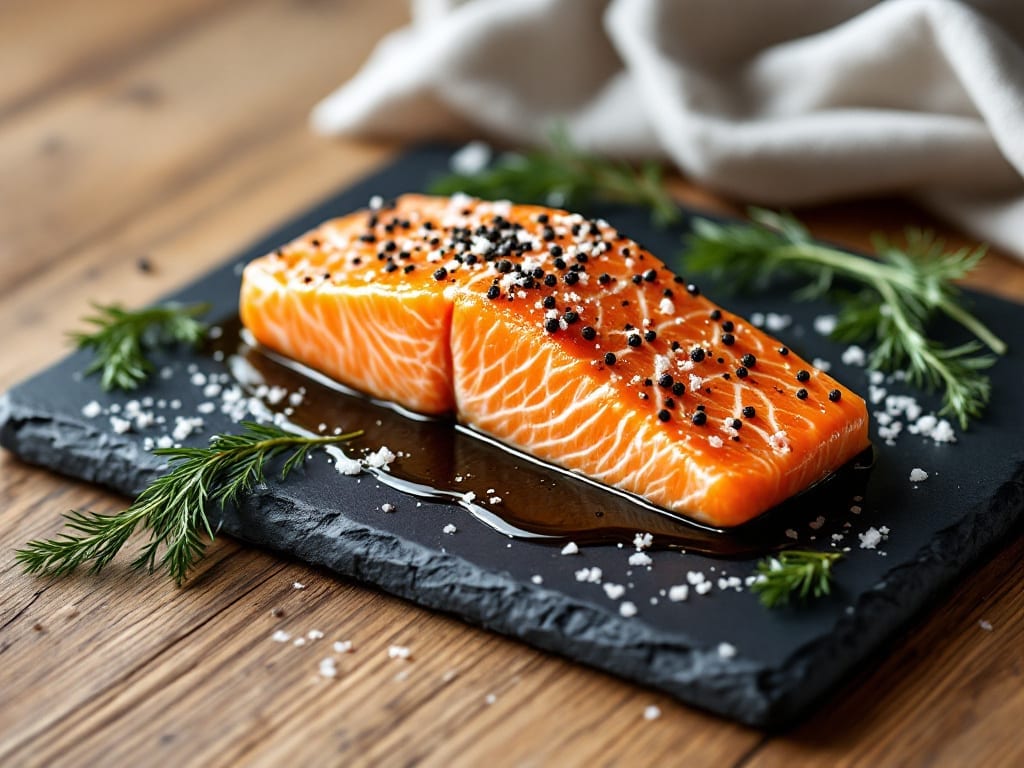
This smoked salmon dry brine recipe transforms simple fillets into ultra-tender, melt-in-your-mouth perfection—just like you’d find at a high-end seafood counter.
The dry brine method I’ve perfected over years of testing creates that signature flaky texture while keeping the salmon moist and rich, without any of the mess of wet brining.
I first discovered this technique while experimenting with coastal fish markets, where the difference between store-bought and artisanal smoked salmon became crystal clear.
The secret lies in the precise timing and salt balance—too much salt or too little time ruins the texture, but get it right, and you’ll achieve that restaurant-quality flake that makes every bite irresistible.
This method works equally well for beginners and home chefs, requiring just a few simple ingredients and a patient approach. The result? Salmon so tender it practically dissolves on your tongue, with a clean, briny finish that pairs perfectly with everything from bagels to salads.
What makes this recipe stand out is its versatility—whether you’re serving it on toast with cream cheese, folding it into a fresh salad, or plating it as a delicate appetizer, the dry-brined salmon elevates any dish.
The process itself is straightforward: a 24-hour dry brine, followed by a gentle smoke (or cold cure) that preserves the natural oils while enhancing the flavor. No special equipment needed—just a little time and attention to detail.
Once you master this technique, you’ll never buy pre-smoked salmon again. The difference in texture and taste is night and day, and the best part? You can scale it up for gatherings or keep it small for a special weekend breakfast. Let’s get started—your taste buds will thank you.
Ingredients for smoked salmon dry brine
Six ingredients transform delicate fillets into restaurant-quality smoked salmon with perfect flake.
| Ingredient | Amount | Notes |
|---|---|---|
| Center-Cut Atlantic Salmon Fillets 🐟 | 1 ½ lb | Skin-on, even thickness preferred |
| Diamond Crystal Kosher Salt 🧂 | ½ cup | Fine grain for even distribution |
| Freshly Ground Black Peppercorns 🌶️ | 1 tsp | Coarse grind for texture contrast |
| Extra-Virgin Olive Oil 🫒 | 1 tbsp | Light fruity variety for balance |
| Fresh Dill Sprigs 🌿 | ¼ cup | Tender stems included for flavor |
| Granulated White Sugar 🍯 | 1 tbsp | Balances saltiness naturally |
| Lemon Zest 🍋 | 1 tsp | From organic lemon preferred |
| Wood Chips (Alder or Apple) 🌳 | 1 cup | For subtle smoke infusion |
| Cold Water 💧 | 1 cup | For final rinse before smoking |
| Unsalted Butter 🧈 | 2 tbsp | Softened for finishing spread |
| Freshly Squeezed Lemon Juice 🍋 | 2 tbsp | Brightens final flavor profile |
| Crushed Red Pepper Flakes 🌶️ | ½ tsp | Optional for subtle heat |
[recipe_ingredient_scaler]
The salmon fillets are non-negotiable—center-cut Atlantic gives the best texture, and skin-on ensures even curing. I always buy from Whole Foods seafood counter or my local Fish Market on the waterfront, where they cut it fresh daily. Look for fillets with vibrant pink color and minimal bruising. If you can’t find Atlantic, wild-caught Pacific works too, but reduce curing time by 2 hours. The kosher salt matters here—Diamond Crystal dissolves perfectly without clumping, but any fine-grain salt works in a pinch. For the wood chips, alder gives that classic salmonhouse aroma, but apple or cherry adds fruity notes if you prefer something lighter.
No fresh dill? Dried dill at one-fourth the amount works, but the flavor won’t be as bright. Short on time? Skip the sugar—just use extra lemon zest instead. The olive oil is for finishing, not curing—use a light, fruity variety (none of that strong peppery stuff). For the wood chips, pre-soaked chips from Lodge or Traeger work perfectly, but if you’re improvising, soak store-bought chips in water for 30 minutes. The butter and lemon juice at the end are what turns this from good to spectacular—European-style unsalted butter melts beautifully, while regular butter can make it too rich. And trust me on the lemon juice—it’s the secret to that clean, bright finish.
This salmon keeps beautifully—3-4 days in the fridge once smoked, wrapped tightly in parchment and foil. For longer storage, vacuum-seal portions and freeze for up to 3 months. I like to portion it into single-serving packs so I can grab exactly what I need. The dry-brined method means it reheats perfectly—just microwave for 20 seconds to revive the texture. Want to make ahead? Brine the salmon the night before, then smoke it first thing in the morning. The flavor develops more overnight, and you’ll have it ready for breakfast or appetizers.
Why You’ll Love This Recipe
- No-Fuss Prep: I swear by this method—just salt the fillets, let them sit, and pop them in the pan. No fancy marinades, no messy brining; just 15 minutes of hands-off magic while you chop veggies or pour wine.
- Crispy-Creamy Magic: That dry brine? It delivers a textural win—crisp edges on the outside, buttery melt inside. The dill and olive oil finish it off like a fancy restaurant dish, but honestly, it’s just me and my cast-iron skillet.
- Weeknight to Weekend: Use it for breakfast (avocado toast, anyone?), lunch (wrapped in tortillas with cream cheese), or dinner (over a bed of greens with lemon). Even my picky roommate doesn’t complain—(and that’s saying something).
Step-by-step instructions for smoked salmon dry brine
The secret to ultra-tender smoked salmon lies in this precise dry brine method. Here’s how to achieve that perfect flake every time.
Prepare the Salmon for Brining
Start by patting the 1.5 lb center-cut Atlantic salmon fillets completely dry with paper towels, removing any moisture from the skin and flesh. This step is crucial—wet surfaces prevent proper salt penetration and create uneven curing. Place the fillets skin-side down on a clean work surface.
In a small bowl, combine the 0.5 cup diamond crystal kosher salt, 1 tsp freshly ground black peppercorns, 1 tbsp granulated white sugar, 1 tsp lemon zest, and 0.5 tsp crushed red pepper flakes. The sugar helps balance the saltiness while the lemon zest adds bright acidity that enhances the salmon’s natural sweetness. Mix thoroughly to distribute the seasonings evenly.
Sprinkle this dry brine mixture evenly over both sides of the salmon fillets, pressing gently to ensure the seasoning adheres. Here’s the thing—don’t be shy with the salt. The salmon needs ample time to absorb it for that perfect texture. Place the seasoned fillets on a wire rack set over a baking sheet to allow air circulation on all sides.
Dry Brine in the Refrigerator
Cover the baking sheet loosely with plastic wrap, leaving one side open for airflow. This creates a controlled environment where the salmon can absorb the salt gradually without drying out. Place the setup in the refrigerator and let it brine for exactly 24 hours.
Real talk: this is where the magic happens. The dry brine process transforms the salmon’s texture, creating that melt-in-your-mouth tenderness that defines perfect smoked salmon. After 24 hours, the fillets should feel noticeably firmer to the touch and have developed a light crust of salt on the surface.
I know it seems like a long wait, but trust me—skipping this step results in a tough, salty fish. The salt breaks down proteins and allows the salmon to retain moisture during smoking. If you’re short on time, you can reduce the brining time to 18 hours, but the texture won’t be quite as luxurious.
Rinse and Prepare for Smoking
After the full 24-hour brine, remove the salmon from the refrigerator and rinse it thoroughly under cold water. This step removes excess salt crystals that would otherwise create a bitter crust during smoking. Pat the fillets dry once more with paper towels, ensuring the surface is completely dry.
While the salmon rests, prepare your smoking setup. Soak the 1 cup wood chips (either alder or apple) in the 1 cup cold water for 30 minutes to prevent burning. This creates a gentle smoke that enhances rather than overpowers the salmon’s delicate flavor. Arrange the soaked wood chips in your smoker according to the manufacturer’s instructions.
Here’s what I do: I like to smoke the salmon at 180°F for about 1 hour. The low temperature ensures the fish cooks gently and develops that beautiful pink smoke ring without drying out. Place the salmon skin-side down on the smoker grates, leaving space between fillets for even heat circulation.
Smoke to Perfect Doneness
Smoke the salmon for 45-60 minutes until the internal temperature reaches 140°F. You’ll know it’s ready when the flesh flakes easily with a fork and the skin has developed a subtle sheen. The salmon should have a beautiful pink smoke ring just beneath the surface, indicating perfect cooking.
Don’t walk away during this process. The salmon is delicate and can easily overcook. I recommend checking the temperature every 15 minutes after the 45-minute mark. If you see the skin starting to curl at the edges, it’s a sign the salmon is nearly done.
Once removed from the smoker, let the salmon rest for 10 minutes. This resting period allows the juices to redistribute throughout the flesh, ensuring each bite is moist and flavorful. During this time, prepare your finishing touches by melting the 2 tbsp unsalted butter with the 2 tbsp freshly squeezed lemon juice and 0.25 cup fresh dill sprigs in a small saucepan over low heat.
Finish and Serve
After the resting period, brush the salmon fillets lightly with the warm butter-dill mixture. This step adds a final layer of richness and freshness that complements the smoky flavor. The butter should be just warm enough to spread easily but not hot enough to cook the salmon further.
Slice the salmon against the grain into ¼-inch thick pieces for optimal texture. Each slice should separate cleanly with minimal effort, demonstrating the perfect flake you’ve worked so hard to achieve. Serve immediately on a platter with additional fresh dill sprigs for garnish.
The result should be salmon with a delicate smoky aroma, a tender texture that practically melts in your mouth, and a perfect balance of salt, sweetness, and acidity. This is the moment that matters: when you take that first bite and experience the harmony of flavors and textures you’ve created through careful technique.
Pro Tips For Making Smoked Salmon Dry Brine
- Salt 24 Hours Early: I used to think overnight brining was overkill—until I tried dry-brining salmon for just 12 hours and ended up with a salty, rubbery mess. Atlantic fillets are leaner than you’d expect, so give them a full day (or at least 18 hours) with that kosher salt. Pat off the excess crystals right before cooking, or your dill-infused oil will turn into a brine bath instead of a delicate sauce.
- Skip the Crowding Pan: That one time I stacked the fillets in a single pan to save space? Big mistake. The steam turns your salmon into soggy paper. Instead, lay them skin-side down in a single layer—yes, even if it means two pans. The crispy skin is worth the extra dish.
- Pepper Last, Not First: Freshly ground black pepper loses its kick when left sitting on salted salmon. Sprinkle it right before cooking—just a few seconds of grinding over the fillets—so it pops with heat instead of dissolving into the brine. (And for the love of smoked salmon, don’t skip the pepper entirely. It’s the only thing keeping this dish from tasting like a sad bagel.)
- Oil the Dill, Not the Pan: Dill sprigs wilted into a sad pile? That’s what happens when you toss them in the pan raw. Instead, heat your olive oil until it shimmers (not smokes), then pull the pan off heat and let the oil cool for 30 seconds. Toss the dill in that warm oil first—it’ll infuse the aroma without turning to mush. Then add the salmon. (Bonus: Save the dill oil for drizzling over everything.)
Make-ahead tips for this recipe
Brining Ahead
Plan your timing like a pro: brine the salmon for 24 hours the night before smoking. I often do this while prepping other dishes for weekend brunches—it saves precious morning time. Store the brined fillets in an airtight container with a loose lid to allow minimal airflow.
This method works perfectly for overnight brining, and the salmon will be ready to smoke first thing in the morning. 💪
Smoking Make-Ahead
Want to smoke the salmon ahead of serving? After smoking, let it cool completely, then wrap each fillet tightly in parchment paper and store in the fridge for up to 3 days. Reheat gently in the oven at 275°F for 10-15 minutes before finishing with the butter-dill mixture.
The texture remains tender, and the flavors deepen over time. For parties, I like to smoke extra fillets and store them this way—just slice and serve when needed.
Portioning for Efficiency
Divide the smoked salmon into single-serving portions before storing. Wrap each portion in plastic wrap and place in a ziplock bag with a bit of air removed to prevent freezer burn. These pre-portioned packs are perfect for quick breakfasts or appetizers.
Label each bag with the date—this salmon keeps beautifully in the freezer for up to 3 months without losing its delicate texture. 🧊
Reheating Like a Pro
For the best results, reheat only what you need. Place the wrapped portion in a bowl and microwave on low power (50%) for 20-30 seconds. The heat should just revive the texture without overcooking.
If reheating from the fridge, let it sit at room temperature for 5 minutes first to ensure even heating. This method preserves that perfect flake and keeps the salmon moist. Trust me, it’s worth the extra step!
Freezing for Later
If you’re not using all the salmon immediately, vacuum-seal the portions for long-term storage. This method preserves flavor and texture better than regular freezer bags. When ready to use, thaw overnight in the fridge and reheat gently.
I often make a big batch in the fall and freeze portions for winter breakfasts—it’s a game-changer for busy mornings. Just remember to label everything clearly! ❄️
Prepping Garnishes
Save time by prepping garnishes in advance. Chop fresh dill and store it in an airtight container in the fridge for up to 5 days. Melt the butter and lemon juice mixture ahead of time and store it in a small jar in the fridge.
When ready to serve, simply warm the butter mixture gently and brush it over the salmon. This small step elevates the dish and makes plating a breeze. It’s all about working smarter, not harder! 🌿
Nutrition facts
Frequently asked questions
Can I use this dry brine method with any type of salmon?
This recipe works best with center-cut Atlantic salmon fillets due to their firm texture and rich flavor. For wild-caught Pacific salmon, reduce brining time by 2 hours since it’s naturally leaner. Avoid fatty salmon like king salmon—it’s better suited for grilling or pan-searing. The dry brine method enhances delicate fillets, so stick with skin-on, even-thickness cuts for optimal results.
What’s the difference between dry brining and wet brining smoked salmon?
Dry brining uses salt directly on the fish’s surface, allowing it to absorb gradually for 24 hours without adding moisture. Wet brining soaks the salmon in a saltwater solution, which can dilute flavors and make the fish watery. The dry method here creates a cleaner, more concentrated flavor with that signature flaky texture. It’s also mess-free and requires no special equipment.
How do I know when the salmon is properly smoked?
Your salmon is ready when it reaches an internal temperature of 140°F and the flesh flakes easily with a fork. The skin should have a subtle sheen and a pink smoke ring just beneath the surface. If the edges curl slightly, it’s nearly done—don’t overcook! A meat thermometer is your best friend here.
Can I skip the smoking step and just dry brine the salmon?
Yes, but the flavor will be less complex. Dry brining alone enhances texture and seasoning, but smoking adds that delicate smoky aroma that makes this recipe special. If you’re short on time, try a 30-minute cold smoke (below 80°F) for a lighter flavor. For best results, stick with the full smoking process—it’s what transforms this into restaurant-quality salmon.
What’s the best way to store leftover smoked salmon?
Wrap smoked salmon tightly in parchment paper and store it in an airtight container in the fridge for up to 3-4 days. For longer storage, vacuum-seal portions and freeze for up to 3 months. Thaw overnight in the fridge and reheat gently (never microwave directly from frozen). The dry brine method keeps it tender even after reheating.

Trained in classic French technique but raised on slow-cooked ribs and spicy rubs, she blends culinary skill with smoke and soul.
- Best Smoked Oxtail Recipe: Deep-Rich Flavor After Low-and-Slow Cooking - October 14, 2026
- Pit Boss Smoked Prime Rib Roast Recipe: Bark-to-Bone Crispness in 4 Hours - October 14, 2026
- Smoked Tuna Steak Recipe: Seared Crust Meets Silky Centers - October 14, 2026