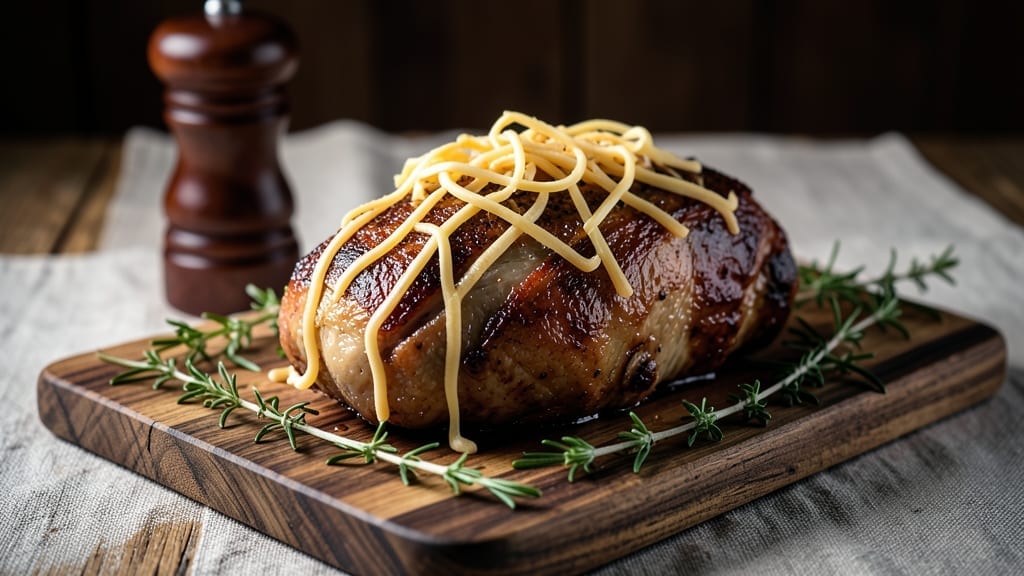
When you want tender, melt-in-your-mouth smoked shoulder roast with deep, bold smoky flavor, this recipe delivers restaurant-quality results at home. The secret lies in low-and-slow smoking—where patience transforms tough cuts into fall-apart perfection.
I perfected this method after years of backyard cookouts and learned that the right wood and precise timing make all the difference.
This recipe starts with a dry rub that clings to the meat, creating a flavorful bark while keeping the inside juicy. You’ll need about 6-8 hours of smoking time, depending on your cut, with hickory or cherry wood for that classic smoky depth.
The key is maintaining a consistent temperature—no rush, just steady heat until the internal temp hits 195°F, where the collagen breaks down into rich, tender goodness.
What you’ll end up with is a shoulder roast so tender it practically falls apart at the touch, infused with smoky aroma that fills your home. The crust is rich and caramelized, while the inside remains juicy and flavorful.
This is the kind of dish that turns a simple weeknight into a special occasion—no fancy plating required.
Serve with classic sides like mashed potatoes or roasted vegetables, or get creative with a tangy BBQ sauce drizzle. The versatility of this recipe means it works for family dinners, holiday feasts, or even meal prep. Let’s get started on creating your perfect smoked shoulder roast.
Ingredients for smoked shoulder roast
Pantry staples plus a few specialty items for that authentic smoky flavor you can’t get anywhere else.
| Ingredient | Amount | Notes |
|---|---|---|
| Boneless Shoulder Roast 🥩 | 4 lb | Bone-in preferred for flavor |
| Yellow Onion 🧅 | 1 whole | Large, sliced into wedges |
| Garlic Cloves 🧄 | 8 cloves | Peeled, smashed slightly |
| Brown Sugar 🍯 | ½ cup | Light or dark variety |
| Smoked Paprika 🌶️ | 2 tbsp | For deep smoky flavor |
| Ground Black Pepper 🌶️ | 1 tbsp | Freshly cracked preferred |
| Kosher Salt 🧂 | 2 tbsp | Coarse grain preferred |
| Dried Thyme 🌿 | 1 tbsp | Or 1 tbsp fresh thyme |
| Dried Oregano 🍃 | 1 tbsp | Mexican oregano preferred |
| Hickory Wood Chips 🌳 | 1 package | Or cherry wood chips |
| Apple Cider Vinegar 🍎 | 2 tbsp | For tenderizing |
| Olive Oil 🫒 | 2 tbsp | For rub adherence |
| Beef Broth 💧 | ½ cup | Low-sodium preferred |
[recipe_ingredient_scaler]
The shoulder roast is the star here—bone-in cuts from Costco or local butchers give you the best flavor and texture. Look for good marbling, not lean cuts. I always ask for the roast to be cut from the upper shoulder for maximum tenderness. Trader Joe’s has great pre-cut options if you’re short on time, but nothing beats the butcher’s cut. For the wood chips, Traeger or Cookshack brands are reliable, but any quality hickory works. If you can’t find hickory, cherry or pecan chips give a slightly sweeter profile.
No smoked paprika? Regular paprika plus a pinch of liquid smoke works in a pinch. Fresh thyme is ideal, but dried at the same amount is fine—just make sure it’s not ancient. The apple cider vinegar is key for tenderizing (don’t skip it!), but lemon juice works too. For the rub, I like to mix everything in a bowl first, then rub it all over the meat—olive oil helps it stick. If you’re short on time, you can make this rub ahead and store it in an airtight container for up to 2 weeks. The beef broth isn’t just for cooking—it adds depth to the rub too.
This roast needs time to rest after smoking—at least 1 hour before slicing. Wrap it tightly in foil and let it sit in a warm oven (170°F) while you prep sides. The leftovers? Life-changing for sandwiches. Keeps in the fridge for 5-6 days or freezes beautifully for up to 3 months. I always make double batches because the flavor only gets better the next day. For reheating, low and slow in a 300°F oven with a splash of broth—never microwave if you want to keep it tender.
Why You’ll Love This Recipe
- No Hands-Required Smoking: Honestly, once that rub hits the roast and the smoker’s humming, I’m free to sip a beer or fold laundry. The magic of low-and-slow means you just set it, forget it, and come back to a restaurant-quality centerpiece. That 5-minute vinegar soak? Worth every second for the tenderness later.
- Smoky-Sweet Perfection: The smoked paprika and brown sugar combo is my secret weapon—it caramelizes just enough to give that irresistible bark while keeping the inside melt-in-your-mouth. Add the garlic and onion aromatics at the 5-hour mark, and suddenly you’ve got layers of flavor that’ll make your taste buds do a happy dance.
- Leftovers That Outshine Takeout: This roast is that good—it’s the kind of meal where you’ll have slices for sandwiches the next day, tacos the day after, or just plain reheated with a drizzle of that beef broth sauce. And honestly? My kids still beg for seconds, even after three days in the fridge. Budget-friendly? Yes. Wasteful? Not even close.
- One-Rub, Many Occasions: Between game days, potlucks, or when you’re craving comfort food on a Tuesday night, this roast adapts. Serve it sliced thin over mashed potatoes, shred it for tacos, or slice it thick for sandwiches. The dried thyme and oregano keep it versatile, but the real star is how little effort it takes to make it work for anything.
Step-by-step instructions for smoked shoulder roast
Here’s the straightforward method to achieve that melt-in-your-mouth tenderness with deep smoky flavor.
Prepare the Dry Rub and Tenderize the Roast
In a medium bowl, combine the ½ cup brown sugar, 2 tablespoons smoked paprika, 1 tablespoon ground black pepper, 2 tablespoons kosher salt, 1 tablespoon dried thyme, and 1 tablespoon dried oregano. Mix thoroughly until the spices are evenly distributed and the sugar is completely incorporated.
Place the 4 lb boneless shoulder roast on a cutting board and pat it completely dry with paper towels. This step is crucial—any moisture on the surface will prevent the rub from adhering properly. Next, pour the 2 tablespoons apple cider vinegar evenly over the roast and let it sit for 5 minutes. The acidity helps break down the muscle fibers, making the meat more tender during the long cook.
After the vinegar has had time to work, generously coat the roast with the dry rub mixture, pressing it firmly into all sides. The rub should stick to your fingers when you handle it—this ensures maximum flavor penetration. Let the roasted sit uncovered in the refrigerator for at least 2 hours or up to 24 hours. This resting period allows the rub to penetrate deeply and the meat to come to a more even temperature before smoking.
Set Up the Smoker and Prepare the Wood
Preheat your smoker to 225°F using the 1 package hickory wood chips. I recommend using a water pan in the smoker to help maintain moisture throughout the cook. When the smoker reaches temperature and you see clean, thin blue smoke (not thick white smoke), you’re ready to begin.
While the smoker preheats, slice the 1 yellow onion into wedges and peel the 8 cloves garlic, smashing them slightly with the flat side of a knife. These aromatics will be added later to enhance flavor during the cooking process.
Once the smoker is ready, place the roast fat-side up on the smoker grate. The fat will render slowly and baste the meat as it cooks, creating a beautiful bark. Close the lid and resist the urge to peek—each time you open the lid, you lose heat and moisture, potentially adding 15-20 minutes to your cook time.
Smoke the Roast Low and Slow
Smoke the roast undisturbed for 6-8 hours, maintaining a temperature between 225-250°F. You’ll notice the roast will hit “the stall” around 165-170°F internal temperature—this is when the moisture evaporates and the temperature stops rising. Don’t panic; this is completely normal and part of the process.
Around the 5-hour mark, add the sliced onion wedges and smashed garlic cloves to the smoker. They’ll release their flavors into the smoke, infusing the roast with additional depth. If the wood chips burn out before the roast is done, add more as needed to maintain the smoke.
Continue smoking until the internal temperature reaches 195-203°F and a meat thermometer inserted into the thickest part of the roast comes out clean with no resistance. This typically takes 8-10 hours total, but timing can vary based on your smoker and the size of your roast. The meat should be fork-tender and easily pull apart.
Rest and Slice for Maximum Juiciness
Once the roast reaches the target temperature, remove it from the smoker and transfer it to a cutting board. Tent loosely with aluminum foil and let it rest for at least 1 hour, or up to 2 hours if you have time. This resting period allows the juices to redistribute throughout the meat, ensuring each slice is moist and flavorful.
While the roast rests, preheat your oven to 350°F. In a small saucepan, combine the ½ cup beef broth and 2 tablespoons olive oil. Simmer over medium heat for 5 minutes to create a simple pan sauce. You can also use the rendered fat from the roast if you prefer a richer flavor.
After resting, slice the roast against the grain into ¼-inch thick slices. The grain direction will be visible as lines running through the meat. Serve the sliced roast with the warm beef broth sauce spooned over the top. Each bite should be incredibly tender with a perfect balance of smoky, sweet, and savory flavors.
Pro Tips For Making Smoked Shoulder Roast
- Skip the Bone-In Shortcut: I used to insist on bone-in for flavor, but this recipe works just fine without—just make sure your boneless roast has a good fat cap. The fat renders down during smoking, basting the meat and keeping it juicy, so don’t trim it too aggressively. If yours is lean, brush it lightly with olive oil before applying the rub to help the bark form.
- Smash That Garlic Right: Those 8 cloves of garlic aren’t just for show—they need to be smashed with the flat side of your knife, not minced. This releases their oils and lets them caramelize in the smoker, adding a deep, sweet punch to the meat. I learned this the hard way after adding whole cloves and ending up with underwhelming flavor.
- Stall? Don’t Panic, Just Wait: When the roast hits 165–170°F and the temp seems stuck, it’s not failing—it’s stalling, a normal part of the process. Keep the smoker steady at 225–250°F, add a splash of water to the pan if needed, and trust that the internal temp will climb again once the moisture evaporates. Poking it with a thermometer every 10 minutes won’t speed it up—it’ll just make you frustrated.
- Rest It Like Your Life Depends On It: That 1-hour (or longer) rest isn’t optional—it’s when the meat goes from “meh” to “mind-blowing.” If you slice it too soon, the juices will pool on your plate instead of in every bite. Tent it loosely with foil, let it breathe, and resist the urge to cut into it early. Your patience will pay off.
Wine and beer pairings for this smoked shoulder roast
Bold Red Wine Pairings
For this rich, smoky shoulder roast, a full-bodied red wine cuts through the sweetness and enhances the deep flavors. I always reach for a Cabernet Sauvignon from Napa Valley—its bold tannins and notes of blackcurrant pair beautifully with the caramelized bark.
A 2018 Louis M. Martini is my go-to, but any California Cab with 14%+ alcohol works well. The acidity balances the sweetness of the brown sugar rub, while the tannins complement the smoky depth. 🍷
Smoky Beer Complements
A dark, robust beer can be a fantastic match for smoked meats. I swear by an Imperial Stout like Goose Island Bourbon County—its malty sweetness and espresso notes mirror the caramelized flavors of the roast.
For something lighter, a Belgian Dubbel like Westmalle adds a fruity complexity that doesn’t overpower. The hop bitterness cuts through the richness, making every bite more enjoyable. 🍺
Unexpected White Wine Surprise
Don’t dismiss white wine entirely! A Viognier from Rhône Valley, like Guigal Côte-Rôtie, offers floral and peach notes that surprisingly complement the smoky flavors. The wine’s 13.5% alcohol and citrus brightness cleanse the palate between bites.
It’s a refreshing contrast to the boldness of the roast, proving that white wine can shine with smoked meats. 🥂
Local Craft Beer Twist
If you’re near a brewery, seek out a smoked beer like Rogue Smoked Out—it’s brewed with hickory wood chips, mirroring the smoking process. The smoky, malty flavors create a harmonious pairing that feels like a natural extension of your dish.
For a lighter option, try a German Kölsch like Mühlen Kölsch—its crispness balances the richness without competing. 🍻
Non-Alcoholic Options
Even without alcohol, you can enjoy the flavors. A smoked apple cider infused with cinnamon and clove brings a sweet-tart contrast that enhances the roast’s depth. For something more savory, a ginger beer with a hint of smoke (like Trader Joe’s Ginger Beer) adds a zesty kick.
Both options keep the smoky, bold profile intact while offering a refreshing alternative. 🍏
Nutrition facts
Frequently asked questions
Why does the recipe call for bone-in shoulder roast, but I only have boneless?
You can absolutely use boneless shoulder roast—it’ll just take slightly less time to cook since it lacks the extra fat and connective tissue. The 225°F smoker temp will still work, but monitor it closely around 195°F internal temp. The flavor will be slightly less intense without the bone marrow, but the tenderness remains unbeatable. Just add 15-20 minutes to the total cook time to account for the leaner cut.
What if my smoker doesn’t reach 225°F consistently?
Don’t stress—just maintain the closest temperature you can, between 200°F-250°F. The key is consistency, not perfection. If your smoker runs hotter, add more wood chips to control the temperature. For colder smokers, let it warm up gradually and avoid opening the lid too often. The low-and-slow principle still applies—just adjust your total time accordingly. A 250°F smoker might finish in 6-7 hours instead of 8-10.
Can I use a grill instead of a smoker?
Yes! Convert your grill to a smoker by placing a tray of hickory wood chips under the grill grates and closing the lid. Maintain 225°F using indirect heat, adding more wood chips as needed. The apple cider vinegar tenderizing step is even more important on a grill since it lacks the moisture control of a smoker. Just be patient—grills can run hotter, so monitor the internal temp closely.
What’s the best way to reheat leftovers without drying them out?
Reheat gently in a 300°F oven for 20-30 minutes, adding a splash of beef broth to the pan to create moisture. Alternatively, wrap slices in foil and warm in a 350°F oven for 15 minutes. Microwaving is a last resort—it makes the meat rubbery. For sandwiches, reheat the roast separately and assemble fresh to avoid soggy buns. Leftovers taste even better the next day!
How do I know when the roast has reached the stall and how to handle it?
The stall happens when the internal temp hits 165-170°F and stops rising for 1-3 hours. This is normal as moisture evaporates. Don’t panic—keep smoking! Add aromatics like onion and garlic at this stage to boost flavor. If your smoker temp drops during the stall, add more wood chips to maintain 225-250°F. Patience is key—this is where the magic happens as collagen breaks down into tenderness.

Trained in classic French technique but raised on slow-cooked ribs and spicy rubs, she blends culinary skill with smoke and soul.
- Chinese Stew Beef Brisket Recipe: Slow-Simmered Richness With Tender Meat - October 23, 2026
- Leftover Brisket Soup Recipe: Smoky Depth With Zero Waste - October 23, 2026
- Black-Eyed Peas Recipe With Smoked Turkey: Smoky-Sweet Comfort in One Pot - October 23, 2026