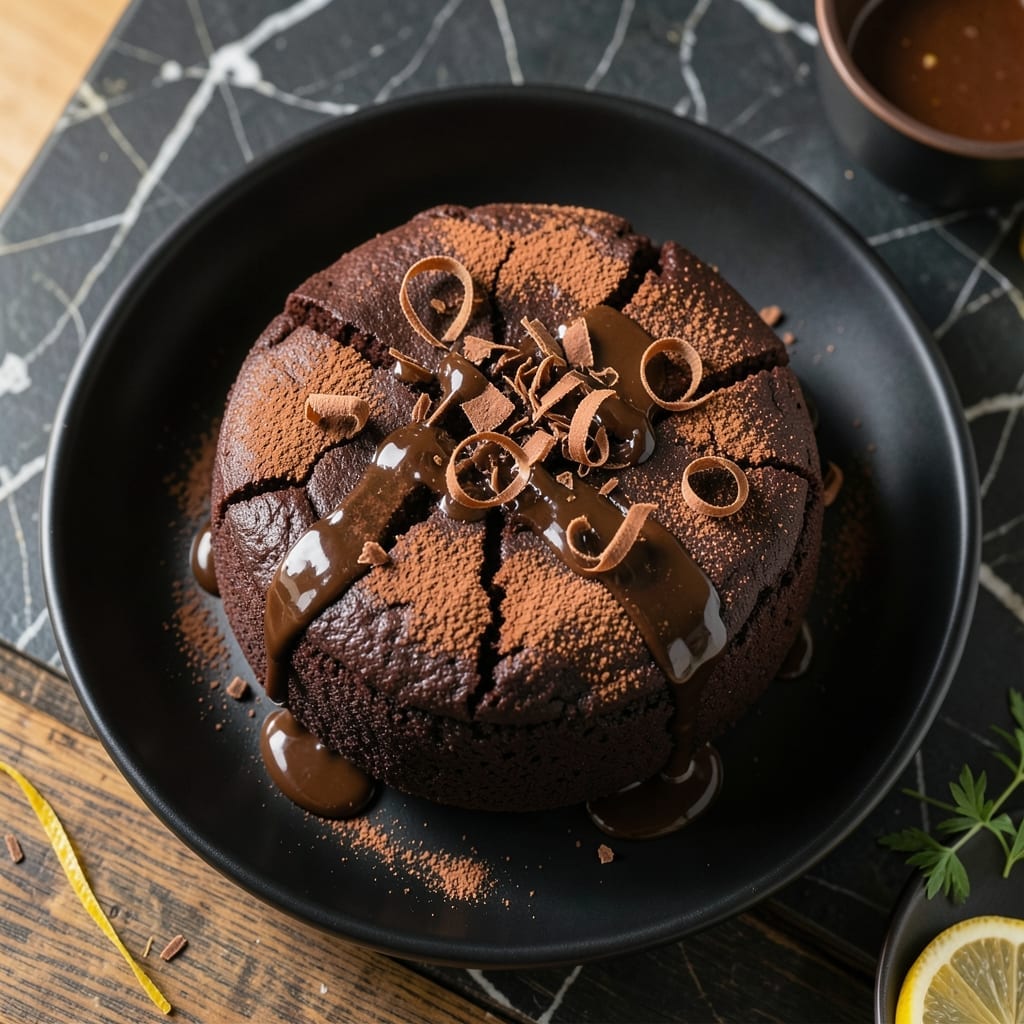
This cake brings Alpine indulgence to your kitchen with its rich chocolate depth and velvety texture. I developed this version after tasting the original in Zurich, determined to capture that same elegance.
What sets this apart is the Swiss touch—melted chocolate in the batter and a whisper of espresso. The result is a moist crumb with intense cocoa flavor that lingers long after the last bite.
Ingredients for Swiss Chocolate Cake
Rich chocolate and Alpine flair come from these carefully chosen ingredients. Simple yet luxurious.
| Ingredient | Amount | Notes |
|---|---|---|
| Bittersweet Chocolate 🍫 | 8 oz | 70% cacao, finely chopped |
| Unsalted Butter 🧈 | 1 cup | Room temperature, plus extra for greasing |
| Granulated Sugar 🍚 | 1 ½ cups | Fine white sugar preferred |
| Large Eggs 🥚 | 4 whole | Room temperature, separated |
| All-Purpose Flour 🌾 | 1 ½ cups | Sifted before measuring |
| Cocoa Powder 🍫 | ½ cup | Dutch-process for richness |
| Baking Powder 🧂 | 1 ½ tsp | Ensures proper rise |
| Instant Espresso Powder ☕ | 1 tsp | Enhances chocolate flavor |
| Vanilla Extract 🌿 | 2 tsp | Pure extract for best flavor |
| Salt 🧂 | ½ tsp | Fine sea salt preferred |
| Heavy Cream 🥛 | 1 cup | For ganache or whipped topping |
| Sour Cream 🥛 | ½ cup | Full-fat for moisture |
[recipe_ingredient_scaler]
The chocolate is everything here—Valrhona or Guittard if you want to splurge, but Ghirardelli from the grocery store works too (just avoid chips with stabilizers). Butter should be European-style for that extra richness, like Plugrá. The espresso powder might seem small, but it amplifies the chocolate without tasting like coffee. Sift the cocoa and flour together—they clump like crazy otherwise.
No bittersweet chocolate? Semisweet works—just reduce the sugar slightly. Out of espresso powder? Instant coffee at half the amount gets you close. The sour cream can be swapped for Greek yogurt if that’s what you’ve got. Need a flour substitute? Gluten-free 1:1 blend works, but add 1/4 tsp xanthan gum. And yes, the eggs are essential—no easy swap here.
This cake keeps beautifully—3-4 days at room temp under a cake dome. The flavor deepens with time (if it lasts that long). For longer storage, wrap slices tightly and freeze for up to 3 months. Bring to room temp before serving for the best texture.
Why You’ll Love This Recipe
- One Bowl Magic: I melt the chocolate and butter together, dump in the rest, and it’s ready for the oven—no mixer, no fuss.
- Rich, Deep Flavor: That bittersweet chocolate gives it a sophisticated taste that’s not too sweet, just pure cocoa bliss.
- Crowd Pleaser: Birthdays, potlucks, or just because—this cake disappears fast, and no one guesses how simple it was.
- Stays Fresh: Honestly, it tastes even better the next day if there’s any left (which is rare).
Step-by-Step Instructions for Swiss Chocolate Cake
This method ensures a moist, rich cake with that signature Alpine depth of flavor.
Step 1: Melt Chocolate and Butter Together
Place the 8 oz Bittersweet Chocolate (finely chopped) and 1 cup Unsalted Butter in a heatproof bowl. Set it over a saucepan of barely simmering water, ensuring the bowl doesn’t touch the water. Stir occasionally until both are completely melted and smooth.
This gentle double-boiler method prevents scorching and creates a silky base for your cake. Remove the bowl from heat and let it cool for 5 minutes before proceeding. The mixture should be warm but not hot to the touch, or it will cook the eggs when added.
Step 2: Whisk Sugars and Eggs to Ribbon Stage
In a large mixing bowl, combine the 1.5 cups Granulated Sugar and 4 whole Large Eggs. Using a stand mixer or hand mixer, beat on high speed for 4-5 minutes until the mixture is pale, thick, and forms ribbons when the whisk is lifted.
This step incorporates air, which gives the cake its light yet dense crumb. The eggs should be at room temperature to maximize volume. Gradually pour in the cooled chocolate mixture, beating on low speed until just combined.
Step 3: Fold in Dry Ingredients and Sour Cream
In a separate bowl, sift together the 1.5 cups All-Purpose Flour, 0.5 cup Cocoa Powder, 1.5 tsp Baking Powder, 1 tsp Instant Espresso Powder, and 0.5 tsp Salt. Add this to the wet ingredients in three additions, folding gently with a spatula after each to avoid overmixing.
Stir in the 2 tsp Vanilla Extract and 0.5 cup Sour Cream until just combined. The batter will be thick and luxurious. The espresso powder enhances the chocolate flavor without making the cake taste like coffee, while the sour cream adds moisture and tenderness.
Step 4: Bake Until Set with a Slight Jiggle
Pour the batter into a greased and floured 9-inch springform pan, smoothing the top with a spatula. Bake in a preheated 350°F oven for 45-50 minutes, or until the edges are set and the center has a slight jiggle when gently shaken.
Avoid opening the oven door during the first 30 minutes to prevent the cake from sinking. Test for doneness by inserting a toothpick into the center—it should come out with a few moist crumbs, not wet batter. The top will form a thin, paper-like crust, which is characteristic of this style.
Step 5: Cool Completely Before Serving
Let the cake cool in the pan for 15 minutes, then run a knife around the edges and release the springform ring. Transfer the cake to a wire rack and cool completely, about 2 hours. This patience ensures the cake sets properly and won’t crumble when sliced.
Serve at room temperature with a dusting of powdered sugar or a dollop of whipped Heavy Cream. For an extra-decadent touch, drizzle with a simple ganache made from equal parts melted Bittersweet Chocolate and Heavy Cream.
Pro Tips For Making Swiss Chocolate Cake
- Melt Chocolate Gently: Use a double boiler or microwave in 20-second bursts—bittersweet chocolate seizes if overheated, and I learned this the hard way after ruining two batches.
- Room-Temp Eggs Only: Pull your large eggs out 30 minutes before mixing; they whip up fluffier and blend better into the butter-sugar base.
- Skip Cold Butter: Unsalted butter should be soft but not greasy—press a finger in, and it should leave a slight indent, not sink right through.
- Fold Flour Last: After adding all-purpose flour, use a spatula and stop mixing as soon as it disappears—overworking makes the cake dense, and nobody wants that.
Regional Styles of swiss chocolate cake
Zurich Classic
The original I tasted in Zurich used Lindt Excellence 70% chocolate and Swiss butter for that unmistakable Alpine richness. They also incorporated a splash of kirsch (cherry brandy) for depth. I like to add 1 tbsp for authenticity. 🗺️
French-Inspired Mousse
In Geneva, bakers blend French technique by folding whipped egg whites into the batter for a lighter texture. Use 4 egg whites whipped to stiff peaks, folded in last. This creates a soufflé-like quality while keeping the chocolate intensity.
German Black Forest
Bordering Germany, some Swiss bakers add 1 cup pitted cherries and 2 tbsp cherry liqueur to the batter. I soak the cherries in liqueur overnight before folding them in. The result is a boozy, fruity twist on the classic.
Italian Espresso Boost
Near the Italian border, they amplify the espresso by adding 1 tbsp finely ground coffee to the dry ingredients. I use Lavazza for its bold flavor. This version has a deeper, more complex chocolate profile that coffee lovers adore.
It pairs beautifully with a scoop of vanilla gelato. 💛
Austrian Sachertorte
Inspired by Vienna’s famous Sachertorte, this version includes a thin layer of apricot jam between two cake layers. Use ¼ cup jam warmed and strained before spreading. The jam adds a subtle fruitiness that cuts through the richness.
Nutrition Facts
Frequently Asked Questions
Why does this recipe use espresso powder?
The 1 tsp of instant espresso powder enhances the chocolate flavor without adding coffee taste. It deepens the cocoa notes for that signature Alpine richness.
Can I use milk chocolate instead of bittersweet?
Yes, but reduce the sugar by ¼ cup since milk chocolate is sweeter. The texture will be slightly less dense, but still delicious.
How do I prevent the cake from sinking in the middle?
Avoid opening the oven during the first 30 minutes of baking. Also, ensure your baking powder is fresh and measure ingredients precisely.
What’s the best way to store leftovers?
Keep at room temperature under a cake dome for 3-4 days. For longer storage, wrap slices tightly and freeze for up to 3 months.

Trained in classic French technique but raised on slow-cooked ribs and spicy rubs, she blends culinary skill with smoke and soul.
- Recipe for Boneless Pork Chops in Cast Iron Skillet: Sear and Baste to Juicy Perfection - October 3, 2026
- Recipe for Boneless Cross Rib Roast: Slow-Roasted Beef with Herb Crust - October 3, 2026
- Hamburgers in Sauce Recipe Crock Pot: Slow-Cooked Savory Delight - October 3, 2026