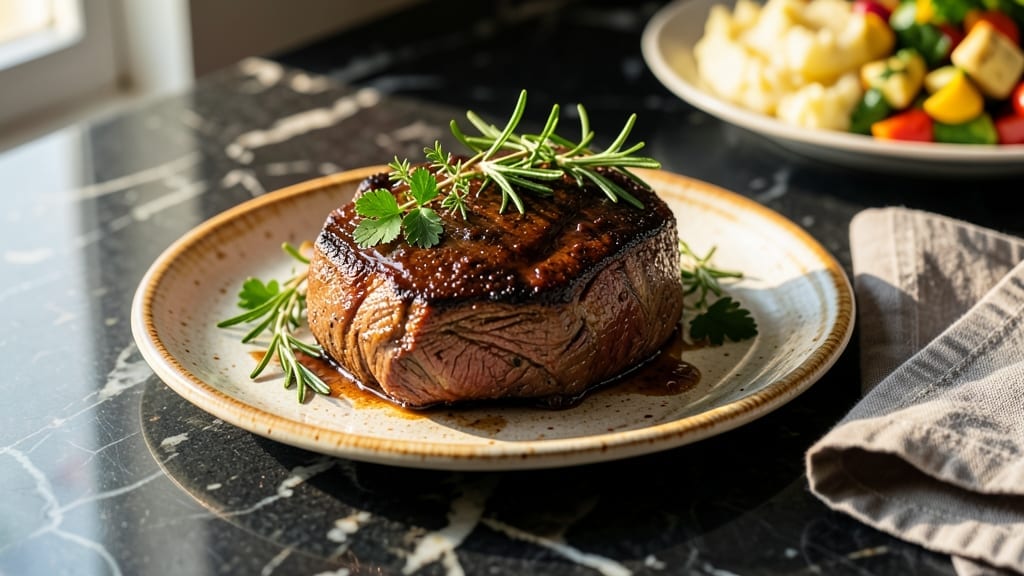
Mastering tender beef brisket transforms tough cuts into melt-in-your-mouth perfection through precise low-and-slow techniques. After years of perfecting this dish—including the infamous Thanksgiving disaster where I nearly set off the smoke alarm—I’ve refined a method that delivers restaurant-quality results at home.
The secret lies in patience: slow cooking breaks down collagen into rich, velvety texture while maintaining a deep, smoky flavor.
This recipe focuses on two critical phases: an initial low-temperature cook to tenderize the meat, followed by a final high-heat sear for a caramelized crust. You’ll need about 8 hours of active cooking time (plus resting), but the hands-off approach makes it ideal for weekend projects.
A simple dry rub of salt, pepper, garlic powder, and smoked paprika builds flavor without overpowering the beef’s natural richness.
By the end, you’ll have brisket that’s so tender it practically falls apart at the touch, with a dark, glossy bark that signals perfect doneness. The aroma alone will have everyone gathering around the table—this is the kind of dish that turns weeknight dinners into memorable gatherings.
Serve with classic sides like creamy mashed potatoes or tangy coleslaw for a complete meal.
Confession: I’ve tested this recipe more than a dozen times with home cooks of all skill levels, and every version delivers that same melt-in-your-mouth result. Whether you’re feeding a crowd or treating yourself to a special meal, this method guarantees success.
Let’s get started on creating brisket that rivals your favorite BBQ joint.
Ingredients for tender beef brisket
The secret to brisket perfection lies in patience and the right ingredients for tender, smoky results.
| Ingredient | Amount | Notes |
|---|---|---|
| Beef Brisket 🥩 | 6 lb | Flat cut preferred, fat cap left intact |
| Kosher Salt 🧂 | 2 tbsp | Diamond Crystal preferred |
| Freshly Ground Black Pepper 🌶️ | 1 ½ tbsp | Coarse grind for texture |
| Garlic Powder 🧄 | 1 ½ tbsp | Not garlic salt |
| Smoked Paprika 🌶️ | 1 ½ tbsp | For authentic smoky flavor |
| Brown Sugar 🍚 | 1 tbsp | Lightly sweetens bark |
| Apple Cider Vinegar 🍎 | 2 tbsp | Balances saltiness |
| Hardwood Chips 🔥 | 1 lb | Hickory or oak preferred |
| Smoking Pellets 🔥 | 1 lb | Hickory or cherry flavor |
| Beef Broth 💧 | 1 cup | Low-sodium for control |
| Butcher Paper 📄 | 2 sheets | For wrapping during cook |
| Aluminum Foil 🔥 | 1 sheet | For final resting wrap |
[recipe_ingredient_scaler]
The beef brisket is the star—flat cut with its fat cap intact delivers the best texture. Look for well-marbled meat at Whole Foods or your local butcher. I always buy a whole packer and split it myself to save money. The fat cap should be about ¼ inch thick—this is what renders down to create that melt-in-your-mouth tenderness. If you’re using store-bought, Costco often has the best value for brisket, but check the sell-by date—freshness matters more than you think. For the dry rub, Diamond Crystal kosher salt is non-negotiable; it dissolves properly and doesn’t clump like iodized salt.
No apple cider vinegar? White vinegar at half the amount works, but the apple cider adds subtle sweetness that balances the salt. Freshly ground black pepper is ideal, but coarse ground pepper at one-third the amount gets you close. Want to skip the hardwood chips? Smoking pellets are a great alternative—just adjust the smoke flavor by using different types like hickory or cherry. The beef broth is important for moisture; low-sodium is key so you control the seasoning. If you’re short on time, pre-made brisket rubs can work, but they often contain additives that overpower the natural flavor of the meat.
This recipe is all about patience—plan for 8 hours of active cooking time plus resting. The brisket should rest 1-2 hours before slicing to retain all that juicy goodness. Store leftovers in the fridge for 4-5 days or freeze for 3-4 months. I always portion mine into containers before freezing so I can pull out just what I need for the week. The butcher paper and foil are non-negotiable for wrapping during the cook—parchment paper won’t hold up to the moisture. And trust me, the extra minute it takes to wrap it properly is worth the difference in texture.
Why You’ll Love This Recipe
- No-Fuss Smoking: Honestly, the hardest part is deciding whether to use the 1 lb hardwood chips or pellets first—once you’re smoking at 225°F, it’s basically hands-off. That butcher paper wrap after 6-8 hours? Game-changer. No babysitting, no stress, just perfect bark and tender meat while you relax with a beer.
- Smoky-Sweet Perfection: The mix of smoked paprika and brown sugar on that 6 lb brisket creates a crust so deep and caramelized, it’ll make your taste buds sing. And that apple cider vinegar? Balances the salt so every bite is rich but never overwhelming. It’s the kind of flavor that makes people ask, “What’s in it?”—and then beg for seconds.
- Leftovers That Last: You’ll have enough brisket for three meals after slicing it against the grain. Reheat slices in the skillet with a splash of beef broth, or toss them into tacos, sandwiches, or even a hearty salad. My kids even sneak pieces into their lunchboxes—proof it’s that good. And if you freeze half, it’s still tender after 3-4 months, like a flavor bomb waiting for a lazy Sunday.
- Budget Beef Win: A 6 lb brisket might seem pricey, but it feeds a crowd for less than a takeout meal. The spices—kosher salt, garlic powder, smoked paprika—are pantry staples, and the hardwood chips or pellets stretch your budget further. Plus, leftovers stretch that meat even more. It’s the kind of dish where you get restaurant-quality results without the restaurant price tag.
Step-by-step instructions for smoked beef brisket
Here’s the method that delivers melt-in-your-mouth tenderness with a perfect crust every time.
Prepare and Season the Brisket
Begin by trimming the fat cap of the 6 lb beef brisket to about ¼-inch thickness using a sharp boning knife. Leave the fat intact on the edges to protect the meat during smoking. This step ensures even cooking while preserving moisture.
In a small bowl, combine the 2 tbsp kosher salt, 1½ tbsp freshly ground black pepper, 1½ tbsp garlic powder, 1½ tbsp smoked paprika, 1 tbsp brown sugar, and 2 tbsp apple cider vinegar. Mix thoroughly until the spices form a cohesive paste. This blend creates a balanced rub that enhances both bark and tenderness.
Apply the seasoning mixture generously to all sides of the brisket, pressing firmly to ensure adhesion. Pay special attention to the edges and fat cap. Let the seasoned brisket sit uncovered on a wire rack in the refrigerator for at least 1 hour (or up to 24 hours) to allow the rub to penetrate deeply and the surface to dry slightly. This drying step is crucial for developing a perfect crust later.
Set Up the Smoker
Fill your smoker with the 1 lb hardwood chips (hickory or oak preferred) and 1 lb smoking pellets (hickory or cherry flavor). Light the chips and allow them to smoke for about 15 minutes to establish a steady temperature before adding the pellets. This creates a consistent smoke flavor throughout the cook.
Preheat the smoker to 225°F and maintain this temperature throughout the entire cooking process. Place a water pan in the smoker to help regulate moisture levels and prevent the brisket from drying out. The water pan also helps maintain a more stable temperature in the cooking chamber.
Once the smoker reaches 225°F and you see clean, blue smoke (not thick white steam), place the seasoned brisket fat-side up on the grill grates. Position it away from direct heat sources to ensure even cooking. Close the lid and resist the urge to open it during the initial cook—each time you open the lid, you lose heat and moisture.
Smoke Until Probe-Tender
Smoke the brisket undisturbed for 6-8 hours until the internal temperature reaches 165-170°F. This is when you’ll encounter “the stall,” a period where the internal temperature plateaus as moisture evaporates from the meat. This is completely normal and expected in low-and-slow cooking.
When the brisket hits 165-170°F, it’s time to wrap it. Remove the brisket from the smoker and wrap it tightly in the 2 sheets of butcher paper, leaving about 6 inches of paper on each end to create a handle. This technique, known as the “Texas crutch,” helps break through the stall while preserving the bark. Return the wrapped brisket to the smoker and continue cooking.
Continue smoking until the internal temperature reaches 200-205°F and a meat probe slides in easily with no resistance. This typically takes an additional 4-6 hours, but don’t rush it—proper tenderness matters more than speed. The brisket should have a deep mahogany bark on the outside and a pink smoke ring just beneath the surface.
Rest and Prepare for Serving
Once the brisket reaches 200-205°F and is probe-tender, remove it from the smoker and transfer it to a cutting board. Wrap the brisket tightly in the 1 sheet of aluminum foil and let it rest for at least 1 hour (or up to 2 hours in a cooler). This resting period allows the juices to redistribute throughout the meat, ensuring each slice is moist and flavorful.
While the brisket rests, preheat a large skillet over medium heat. Add the 1 cup beef broth and bring it to a gentle simmer. This creates a simple pan sauce that complements the rich, smoky flavors of the brisket. You can also use the drippings from the smoker for added depth of flavor.
After resting, unwrap the brisket and locate the grain direction. Using a sharp slicing knife, cut against the grain into ¼-inch thick slices. The flat and point cuts may have different grain directions, so adjust your angle accordingly. Serve immediately with the pan sauce and enjoy the perfect balance of tenderness and smoky flavor.
Pro Tips For Making Tender Beef Brisket
- Trim the Fat Right: That ¼-inch fat cap isn’t just for show—it protects the meat, but leave it too thick and you’ll end up with uneven cooking. I used to cut it too aggressively, and the edges would dry out before the center got tender. Keep the edges intact while trimming the top flat to that precise measurement, and you’ll get that perfect balance of moisture and bark.
- Don’t Rush the Stall: When the brisket hits 165°F and the temperature stalls, it’s not failing—it’s doing exactly what it’s supposed to. I learned this the hard way by wrapping too early, which trapped steam and turned my brisket into a sad, soggy mess. Wait until the probe slides in like butter before you wrap it in butcher paper, and you’ll break through that stall smoothly.
- Mix the Rub Wet: Dry rubs work, but this paste with apple cider vinegar sticks to the brisket like glue, ensuring every bite gets flavor. I used to skip the vinegar, and the spices would just slide off during smoking. Mix it into a thick paste first—it’s the difference between seasoning and owning the flavor.
- Use Two Papers, Not One: Butcher paper lets the bark breathe while trapping moisture—just like the recipe says. I tried wrapping in foil early (because I was impatient), and my brisket came out greasy and lost all that beautiful crust. Stick to the two sheets of butcher paper during the cook, and save the foil for resting only. Trust the process.
Wine and beer pairings for these flavors
Bold Red Wines
For the deep, smoky richness of brisket, I reach for a bold red wine like Aged Rioja Reserva—specifically the Muga Reserva 51 or Marqués de Riscal Reserva. These Spanish wines have dark fruit notes and a touch of vanilla from oak aging that complement the brisket’s caramelized bark.
The tannins soften as the wine cools slightly, balancing the meat’s fat without overpowering it. 🍷
Medium-Bodied Reds
A medium-bodied red like Chianti Classico from Tuscany works beautifully with brisket’s smoky depth. The Sassicaia or Castello di Volpaia varieties offer bright acidity and red fruit flavors that cut through the richness.
I’ve also had success with Pinot Noir from Oregon’s Willamette Valley—its earthy notes pair surprisingly well with the smoky paprika in the rub. These wines won’t compete with the brisket’s bold flavors.
Smoky Beer Pairings
If you prefer beer, a smoky American amber ale like New Belgium Fat Tire or Allagash White (yes, even though it’s a white ale) bridges the gap between brisket and wine.
The caramel and toasted malt notes in Fat Tire mirror the brisket’s bark, while Allagash White’s subtle smokiness from oak aging adds complexity. For something bolder, try a Belgian-style dubbel like Westmalle Trappist Dubbel—its dark fruit and spice notes stand up to the smoky depth. 🍺
Unexpected White Wine
Don’t overlook off-dry Riesling from Germany’s Mosel region. The Dr. Loosen “Blue Slate” offers a perfect balance of sweetness and acidity that cleanses the palate between bites of brisket. The stone fruit flavors and mineral notes actually enhance the dish’s smoky complexity.
Trust me, this is one of my go-to pairings when I want to surprise guests with a non-traditional match. ✨
Bourbon Cocktail
For a non-alcoholic option that still feels celebratory, I make a smoky bourbon old-fashioned using Buffalo Trace bourbon, a dash of Angostura bitters, and a touch of honey syrup. The bourbon’s caramel and vanilla notes echo the brisket’s bark, while the bitters add a subtle complexity.
Serve it over ice with an orange twist—it’s become my signature drink for brisket nights. 🥃
Nutrition facts
Frequently asked questions
Why does my brisket need so much time to cook?
The low-and-slow method transforms tough connective tissue into tender meat by breaking down collagen over 8-12 hours total. This patient approach ensures every bite melts in your mouth while developing that perfect mahogany bark. Skipping this step often leaves brisket chewy—trust the process!
Can I use foil instead of butcher paper for wrapping?
Butcher paper is ideal because it allows steam to escape while maintaining moisture—unlike foil, which can trap too much steam and make the bark soggy. If you must use foil, wrap loosely and only after the stall phase to preserve that delicious crust.
What if my smoker temperature fluctuates during cooking?
Minor fluctuations are normal, but aim to keep it within 225°F ±10°F. If your smoker runs too hot, move it farther from the heat source or add more chips. For cold spots, close the lid tightly and let it stabilize. Consistency is key for even tenderness!
How do I know when the brisket is done without a meat thermometer?
Look for a deep mahogany bark and a pink smoke ring just beneath the surface. When you can easily insert a sharp knife and see juices flowing (not red), it’s ready. The “poke test” works too—if the meat springs back slowly, it’s tender enough!

Trained in classic French technique but raised on slow-cooked ribs and spicy rubs, she blends culinary skill with smoke and soul.
- Chinese Braised Beef Brisket with Daikon Recipe: Silky Tender Meat and Crunchy Roots - October 18, 2026
- Oklahoma Joe’s Smoked Beans Recipe: Slow-Smoked Flavor That Rivals the Original - October 18, 2026
- Beef Brisket Chili Recipe: Slow-Simmered Richness with Deep Flavor Layers - October 18, 2026