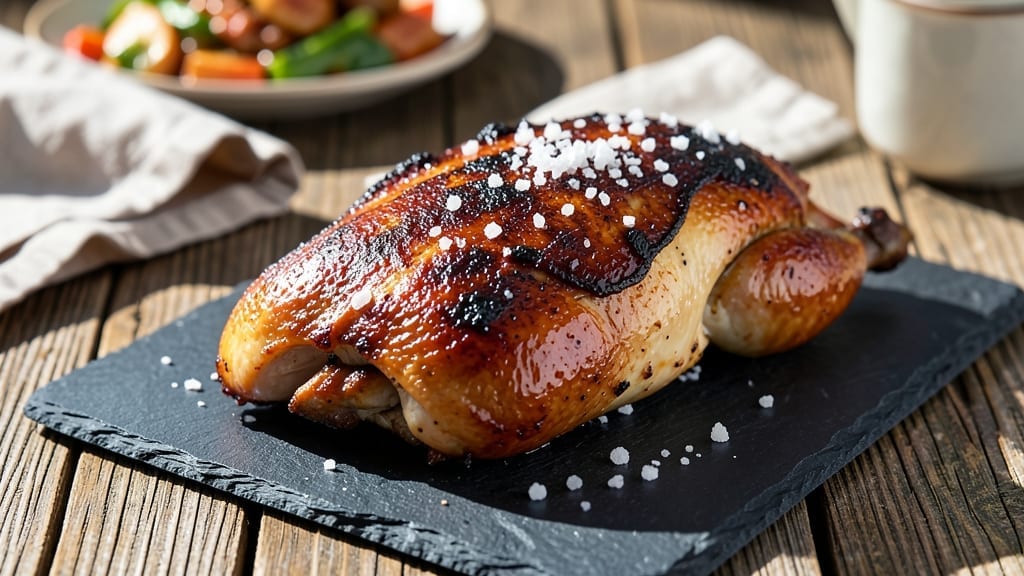
Mastering Texas-style smoked turkey breast means transforming a simple protein into a showstopping centerpiece that carries the bold flavors of the Lone Star State.
The key lies in a dry rub that balances sweet, smoky, and spicy notes while maintaining that signature tender, juicy texture—something I perfected after years of experimenting with my family’s backyard cookouts.
This isn’t just another turkey recipe; it’s about achieving that perfect harmony of crispy skin and moist meat, all while infusing it with the deep, wood-fired aroma that defines Texas BBQ.
The process begins with a simple yet effective dry rub—coarse salt, black pepper, smoked paprika, and a touch of brown sugar—that creates a flavorful bark while keeping the meat tender inside.
You’ll smoke the turkey breast low and slow over hickory or pecan wood until it reaches an internal temperature of 165°F, ensuring every bite delivers that classic smoky richness without drying out.
What sets this apart is the attention to detail: proper resting time, precise temperature control, and the right wood choice to create that authentic Texas flavor profile.
By the time you serve this turkey breast, you’ll have a dish that’s perfectly golden on the outside with juicy, flavorful meat inside—each slice offering a balance of smoky depth and tender texture.
The aroma alone will have everyone gathered around the table, and the versatility of this recipe means it works just as beautifully for a holiday feast as it does for a weeknight dinner. Serve with classic sides like cornbread or collard greens to complete the Texas-style experience.
This method isn’t just about technique; it’s about capturing the soul of Texas BBQ in your own kitchen. Whether you’re hosting a gathering or simply craving a smoky, flavorful meal, this recipe delivers restaurant-quality results with minimal effort. Let’s get started on creating your own Texas-style masterpiece.
Ingredients for texas style smoked turkey breast
Twelve ingredients create the perfect smoky bark while keeping it juicy inside.
| Ingredient | Amount | Notes |
|---|---|---|
| Boneless Turkey Breast 🦃 | 3 lb | Skin-on for crispiness |
| Coarse Kosher Salt 🧂 | 2 tbsp | For dry rub bark |
| Black Pepper (Freshly Ground) 🌶️ | 1 ½ tbsp | Medium-coarse grind |
| Smoked Paprika 🌶️ | 1 ½ tbsp | Spanish or Mexican |
| Brown Sugar (Packed) 🍯 | 1 tbsp | Light or dark |
| Garlic Powder 🧄 | 1 tbsp | Not garlic salt |
| Onion Powder 🧅 | 1 tbsp | Fresh ground preferred |
| Dried Thyme 🌿 | 1 tsp | Mexican oregano if available |
| Hickory Wood Chips 🔥 | 1 package | Soaked 4+ hours |
| Apple Cider Vinegar 🍎 | 2 tbsp | For basting |
| Unsalted Butter (Cold) 🧈 | ½ cup | For basting |
| Butterfly Pepper (Optional) 🌶️ | 1 tsp | For heat |
[recipe_ingredient_scaler]
The turkey breast is your star—boneless, skin-on for that perfect crisp. Look for freshly cut pieces with even thickness; Costco or butcher shops often have great options. The skin should be taut and translucent, not shriveled. If you can’t find skin-on, skin it yourself—it’s worth the effort for that golden bark. For the dry rub, Spanish smoked paprika gives the most authentic Texas flavor—Penzeys or Trader Joe’s have great bulk options. The brown sugar balances the heat, so don’t skip it.
No hickory wood chips? Pecan or mesquite work in a pinch—they’re more common and still impart that smoky depth. Short on time? Pre-made dry rubs can work, but adjust the salt—most are too salty. Want extra kick? Butterfly pepper or cayenne adds heat without overpowering. The apple cider vinegar isn’t just for basting—it tenderizes the meat. If you’re short on ACV, lemon juice works, but the flavor’s slightly different. For the butter, cold pats are key—they render fat while keeping the meat moist.
This keeps beautifully for 3-4 days in the fridge if wrapped tightly in foil. For longer storage, freeze for up to 3 months—thaw overnight in the fridge. The dry rub can be mixed ahead and stored in an airtight container for 2 weeks. Pro tip: Baste every 30 minutes during smoking for maximum juiciness. The skin should be deep golden and crisp when done—don’t rush it. Resting is non-negotiable: 30-45 minutes after cooking ensures that juicy texture you’re after.
Why You’ll Love This Recipe
- No-Fuss Smoking: Honestly, this is one of those recipes where you do less work for more flavor. Just slather that dry rub—coarse kosher salt, smoked paprika, and garlic powder—on the turkey, let it sit 30 minutes, and then let the smoker do the heavy lifting. No chopping herbs or fiddling with marinades; just pure, hands-off smokiness.
- Crispy Bark, Creamy Center: That apple cider vinegar-butter basting? Chef’s kiss. You get a glossy, caramelized bark from the brown sugar and smoked paprika, but the meat stays juicy because the fat renders right into the turkey. It’s like eating a cross between a brisket and a Thanksgiving centerpiece—only better because it’s not a 12-hour project.
- Leftovers That Last: Between us, this turkey begs for leftovers. Wrapped tightly in foil, it keeps for 3-4 days in the fridge, and honestly, the flavors get even richer. Slice it up for sandwiches, toss it into tacos, or just reheat a portion with some pan gravy. My kids will eat it cold in a wrap on a Tuesday—no questions asked.
- Budget-Friendly Crowd-Pleaser: A 3-pound turkey breast is cheaper than a whole bird, and with just a handful of pantry staples—hickory wood chips, butter, salt—this feeds a small army without breaking the bank. Plus, the butterfly pepper (if you’re feeling bold) adds a little kick for next to nothing. It’s the kind of dish that makes people think you’re a pro, but really? You just followed a few simple steps.
Step-by-step instructions for smoked turkey breast
Here’s how to transform simple ingredients into a perfectly juicy, smoky turkey breast.
Prepare the Dry Rub and Season the Turkey
In a small bowl, combine the 2 tablespoons coarse kosher salt, 1½ tablespoons black pepper, 1½ tablespoons smoked paprika, 1 tablespoon brown sugar, 1 tablespoon garlic powder, 1 tablespoon onion powder, 1 teaspoon dried thyme, and 1 teaspoon butterfly pepper (if using). Mix thoroughly with your fingers until evenly distributed—this ensures every grain of seasoning sticks to the turkey.
Pat the 3 lb boneless turkey breast dry with paper towels, removing any excess moisture from the surface. This step is crucial—wet skin won’t crisp properly. Apply the dry rub generously to all sides, pressing firmly so the seasoning adheres. Let the turkey sit at room temperature for 30 minutes before smoking. This allows the seasoning to penetrate slightly and ensures even cooking.
Set Up the Smoker and Prepare the Turkey
Soak the 1 package hickory wood chips in water for at least 4 hours before using. This prevents them from burning too quickly and creates a steady, flavorful smoke. Once soaked, drain and add them to your smoker, setting the temperature to 225°F. Let the smoker preheat for 15-20 minutes until you see clean, thin smoke—this is your signal that it’s ready.
While the smoker preheats, prepare the turkey by mixing the 2 tablespoons apple cider vinegar with the ½ cup cold unsalted butter in a small bowl. This mixture will create a glossy bark and keep the meat moist. Once the smoker is ready, place the turkey breast fat-side up on the smoker grates. The fat-side up position helps render fat, which bastes the meat as it cooks and creates that coveted crispy bark.
Smoke the Turkey Low and Slow
Smoke the turkey for 4-5 hours, maintaining a consistent temperature of 225°F. Avoid opening the smoker lid during this time—each time you peek, you lose heat and moisture, extending the cooking process. You’ll know it’s ready when the internal temperature reaches 165°F at the thickest part of the breast. Use a meat thermometer for accuracy; the turkey should feel firm but still juicy when tested.
About 1 hour before the turkey reaches 165°F, brush it with the apple cider vinegar-butter mixture. This step is key—it adds moisture and creates a beautiful, glossy bark. Repeat this basting every 30 minutes during the last hour of cooking. The turkey is done when the bark is deep mahogany in color and the internal temperature hits 165°F. Remove it from the smoker and let it rest for 15-20 minutes before slicing—this resting period ensures the juices redistribute, keeping every slice succulent.
Serve with Confidence
Slice the turkey against the grain into ½-inch thick pieces for maximum tenderness. Serve immediately with the juices from the pan—these are packed with flavor and will elevate any dish. The turkey should be moist, smoky, and perfectly seasoned, with a crispy, flavorful bark that holds up to every bite. This method guarantees a turkey breast that’s juicy, tender, and bursting with Texas-style smoky flavor.
Pro Tips For Making Texas Style Smoked Turkey Breast
- Soak Wood Chips Properly: I learned this the hard way—dry wood chips burn fast and choke your smoker with acrid smoke. Soak that 1 package of hickory for at least 4 hours (overnight if you’re planning ahead), then drain well before adding. This gives you that clean, steady smoke you want for that deep Texas flavor, not a smoky fire alarm.
- Press Rub Like Glue: Don’t just sprinkle that dry rub—finger-rub it into every nook of the turkey breast until it sticks like second skin. The 2 tbsp coarse kosher salt and 1.5 tbsp black pepper need to cling, especially on the skin side. Skip this, and you’ll end up with patchy seasoning and a weaker bark.
- Resist the Peek: Every time you crack that smoker lid during the 4-5 hours at 225°F, you’re stealing heat and moisture—like opening the oven door mid-bake. Trust the thermometer, not your eyes. Let that turkey work its magic undisturbed, and you’ll get a juicier, more even cook.
- Butter-Baste Early: That apple cider vinegar-butter mix isn’t just for the last hour—start brushing it on about 1 hour before the turkey hits 165°F. The cold butter melts into the meat, locking in moisture while the vinegar keeps the bark glossy and crisp. I used to wait too long, and the bark would dry out or turn rubbery.
Regional styles of this recipe
Central Texas Tradition
In Central Texas, smoked turkey breast often stars at backyard cookouts and family gatherings, where hickory smoke mingles with the scent of grilled corn and sizzling brisket.
The dry rub here leans on Spanish smoked paprika and dried thyme—ingredients I picked up from my late uncle’s spice collection—because they capture that earthy, slightly sweet flavor profile that defines the region.
Look for Penzeys or local butcher shops for the best smoked paprika; it’s the secret to that authentic Texas bark. The butterfly pepper adds a subtle kick, balancing the sweetness of the brown sugar without overpowering. 🌿
South Texas Spice Blend
Down south, near the Rio Grande Valley, the heat gets cranked up with Mexican oregano instead of thyme and a dash of cayenne pepper mixed into the dry rub. This version is perfect if you love your turkey with a little fire.
I once made this at a friend’s ranch in McAllen, and the crowd kept asking for seconds—it’s that good. For extra depth, add ½ tsp ground cumin to the rub; it pairs beautifully with the smoky wood.
The key is to keep the spices balanced so the turkey remains juicy, not dry. 🔥
East Texas Wood Choice
In East Texas, where the forests are thick with pecan trees, locals swear by pecan wood chips instead of hickory. The pecan smoke adds a nutty richness that complements the turkey’s natural sweetness.
If you can’t find pecan wood, mesquite is a close second—just watch the heat, as it can burn faster. I’ve smoked turkey over pecan wood on my friend’s old pellet grill, and the aroma alone makes the kitchen smell like a fall festival.
The turkey turns out with a velvety bark and a tender bite that’s hard to resist. 🌰
North Texas BBQ Pit Style
Up north, near Dallas, the focus shifts to reverse searing after smoking. After reaching 165°F internal temperature, the turkey gets wrapped in butcher paper and placed in a cooler to rest for 2 hours.
This method, inspired by Texas BBQ competitions, ensures the meat stays juicy while the bark crisps up perfectly. I’ve seen this technique win ribbons at the Texas State Fair, and it’s foolproof. The result?
A turkey so tender it falls apart at the touch of a fork, with a bark that’s crisp enough to eat like a potato chip. 💪
Wild Herb Foraging Twist
For a touch of local flair, I like to forage wild rosemary or Texas sage from the coastal plains near my motorcycle rides. These herbs add a citrusy, slightly peppery note that elevates the dry rub.
Tear them finely and mix them into the rub just before applying—don’t overdo it, or they’ll overpower the smoky flavor. I first tried this at a friend’s ranch in Port Aransas, and it was a hit with everyone.
The herbs bring a fresh, herbal brightness that cuts through the richness of the smoked turkey. 🌿
Nutrition facts
Frequently asked questions
Why does the turkey need to rest before slicing?
Resting for 15-20 minutes after smoking lets the juices redistribute evenly throughout the meat. This prevents dry slices and keeps every bite tender and flavorful. Skipping this step means losing all that delicious moisture right when you’re ready to serve!
Can I use regular salt instead of kosher salt in the dry rub?
You can, but adjust the amount—1 tablespoon regular salt equals 2 tablespoons kosher salt. Kosher salt has larger crystals, so it’s less concentrated. The key is to taste as you go and avoid over-salting your turkey.
What if my smoker temperature fluctuates during cooking?
Fluctuations are normal, but keep the average at 225°F. If it drops too low, the turkey may take longer to cook, risking dryness. Use a thermometer to monitor internal temp—it’s the most reliable indicator. A chimney starter or extra wood chips can help stabilize heat.
How do I know when the turkey is fully cooked?
Check with a meat thermometer at the thickest part—it should read 165°F. The bark should also be deep mahogany and crispy. If unsure, cut into the thickest part; the juices should run clear, not pink. Patience here ensures juicy perfection!
Can I make the dry rub ahead of time?
Mix the rub 1-2 weeks ahead and store it in an airtight container. Just shake it before using to redistribute any settled spices. This lets flavors meld beautifully—no last-minute scrambling needed!

Trained in classic French technique but raised on slow-cooked ribs and spicy rubs, she blends culinary skill with smoke and soul.
- Smoked Brisket Recipe: Low and Slow to Fall-Apart Tenderness - November 2, 2026
- Smoked Turkey Breast Recipe: Juicy Pink Center With Crispy Skin Every Time - November 2, 2026
- Leftover Smoked Pulled Pork Chili Recipe: Rustic Flavor Revival in One Pot - November 2, 2026