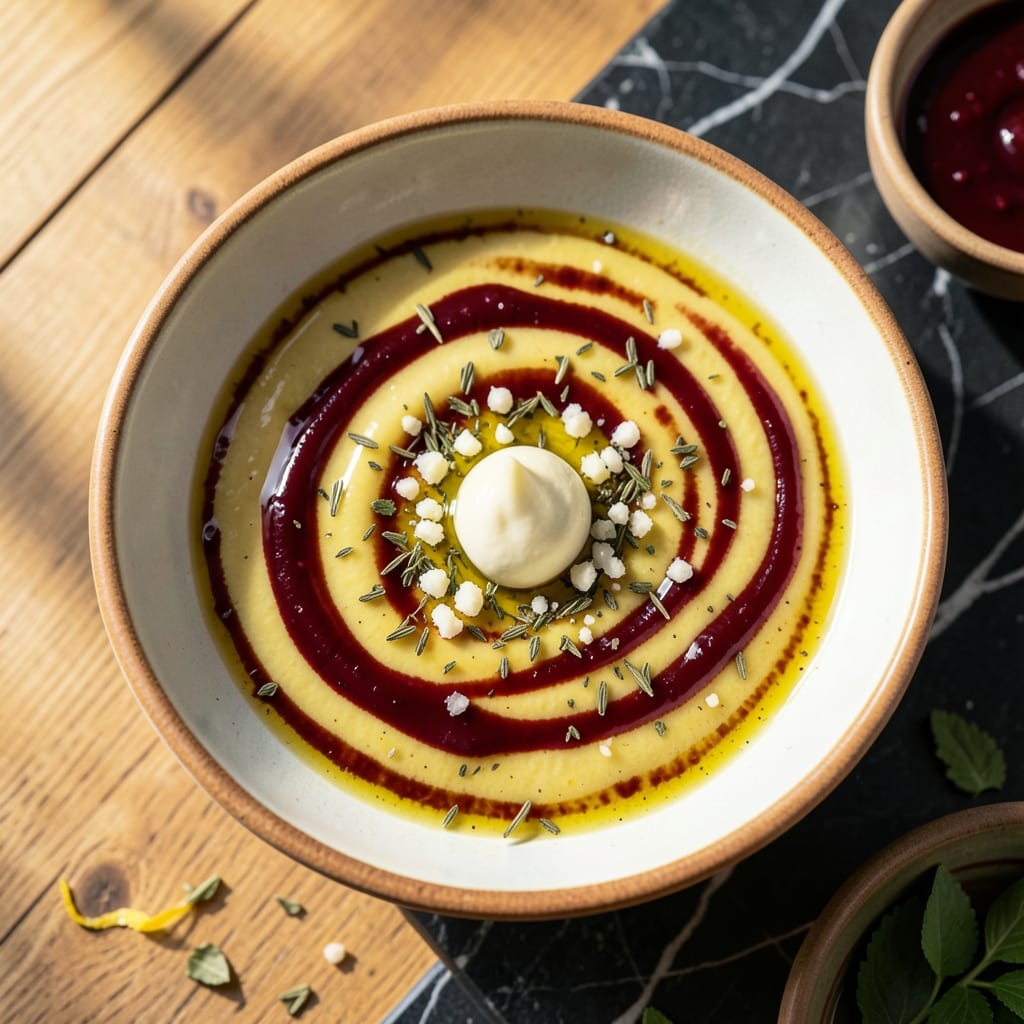
There’s something timeless about a well-crafted Italian dressing that elevates even the simplest greens. This version stays true to tradition, balancing bright acidity with fragrant herbs and a touch of sweetness.
What sets this apart is the perfect ratio of vinegar to oil, emulsified with a whisper of mustard for stability. Fresh herbs and a hint of garlic deliver that unmistakable traditional flavor without overpowering the ingredients it dresses.
The result is a versatile dressing that clings beautifully to lettuce, works as a marinade, or brightens up grain bowls. It keeps for weeks in the fridge, making it a staple worth keeping on hand.
No special equipment needed—just a jar and a few minutes to shake it together.
Ingredients for Traditional Italian Salad Dressing
Nine simple ingredients create this vibrant traditional dressing ready in minutes.
| Ingredient | Amount | Notes |
|---|---|---|
| Extra-Virgin Olive Oil 🫒 | ¾ cup | High-quality, fruity variety |
| Red Wine Vinegar 🍷 | ¼ cup | Bright and acidic |
| Dijon Mustard 🟡 | 1 tsp | For emulsification stability |
| Honey 🍯 | 1 tbsp | Balances acidity with sweetness |
| Garlic Clove 🧄 | 1 clove | Minced for aromatic depth |
| Dried Oregano 🌿 | 1 tsp | Earthy and pungent |
| Dried Basil 🍃 | 1 tsp | Sweet and fragrant |
| Kosher Salt 🧂 | ½ tsp | Diamond Crystal preferred |
| Freshly Ground Black Pepper 🌶️ | ¼ tsp | For subtle heat |
| Dried Parsley 🌿 | 1 tsp | Brightens flavor profile |
[recipe_ingredient_scaler]
The olive oil is critical here. Opt for a high-quality extra-virgin from a trusted brand like California Olive Ranch or Colavita—their fruity, peppery notes elevate the dressing. The red wine vinegar should be robust; Lucini or Bragg offer consistent quality. Fresh garlic is non-negotiable for that authentic bite, but jarred minced works in a pinch (the flavor won’t be as bright).
Need a honey substitute? Agave nectar or maple syrup at a 1:1 ratio maintains sweetness without altering the texture. No Dijon? Whole-grain mustard adds texture but may separate faster. For herb variations, fresh basil or oregano at three times the dried amount works beautifully. If avoiding honey entirely, white sugar dissolved in a teaspoon of warm water is a neutral alternative.
Stored in an airtight jar, this dressing stays fresh for 3-4 weeks in the fridge. The flavors meld and deepen over time, so making it a day ahead is ideal. Shake vigorously before each use—separation is natural but doesn’t affect quality.
Why You’ll Love This Recipe
- Five-Minute Whisk: I can make this while the pasta boils—just shake the olive oil, vinegar, mustard, honey, and garlic in a jar.
- Tangy Perfection: The red wine vinegar and Dijon give it that bright, punchy kick I crave on greens or grilled veggies.
- Dressing for Days: It keeps for a week in the fridge, so I drizzle it on everything from salads to sandwiches.
- Pantry Staples Only: No last-minute store runs—olive oil, vinegar, and a few basics are all I need. Honestly, it’s my lazy-day hero.
Step-by-Step Instructions for Traditional Italian Salad Dressing
Master the technique for a perfectly balanced emulsion with authentic Mediterranean flavor.
Step 1: Mince the Garlic Clove for Optimal Flavor Release
Begin by finely mincing the garlic clove until it reaches a paste-like consistency. This step is crucial as it maximizes the aromatic compounds released during infusion. I recommend using the flat side of your chef’s knife to crush the clove first, then rock the blade back and forth over the garlic.
The minced garlic should almost dissolve into the dressing, creating a subtle but noticeable depth that defines traditional Italian profiles. Avoid pressing it through a garlic press, as this can sometimes impart a bitter edge to the final product.
Step 2: Whisk the Acidic Base with Emulsifiers
In a medium bowl, combine the red wine vinegar, Dijon mustard, honey, dried oregano, dried basil, kosher salt, freshly ground black pepper, and dried parsley. Whisk these ingredients vigorously for 30-45 seconds until the honey fully dissolves and the herbs are evenly distributed.
The Dijon mustard acts as your primary emulsifier, binding the water-based vinegar with the fat-based oil. You’ll notice the mixture begin to thicken slightly as the mustard’s natural stabilizers activate. This foundation ensures your dressing won’t separate prematurely.
Step 3: Create the Emulsion with Slow Oil Incorporation
While continuing to whisk constantly, begin adding the extra-virgin olive oil in a very thin, steady stream. Start with just a few drops at a time, gradually increasing to a trickle as the emulsion forms. This process should take 2-3 minutes for the full 0.75 cup of oil.
Watch for the dressing to lighten in color and thicken significantly—this visual transformation indicates a proper emulsion. The mixture should coat the back of a spoon and hold its shape briefly when drizzled. If it begins to separate, stop adding oil and whisk more vigorously until it recombines.
Step 4: Adjust Consistency and Finalize the Dressing
Once all the oil is incorporated, taste and adjust seasoning if needed. The dressing should have a balanced flavor profile where no single ingredient dominates. The acidity from the vinegar should be bright but not harsh, the sweetness from the honey should be subtle, and the herbs should provide a fragrant backdrop.
For immediate use, let the dressing sit for 5-10 minutes to allow the flavors to meld. For storage, transfer to a clean glass jar and refrigerate for up to 1 week. Always bring the dressing to room temperature and shake well before using, as the emulsion will naturally separate when chilled.
Pro Tips For Making Traditional Italian Salad Dressing
- Whisk Vigorously: Don’t just stir—whisk the olive oil and vinegar together hard for at least 30 seconds until it looks creamy. I learned this the hard way after my first few dressings separated before they even hit the salad.
- Crush the Garlic: Smash the garlic clove with the flat of your knife first, then mince it finely. Sounds weird, but it works: this releases more flavor without leaving big chunks in the dressing.
- Skip the Cheap Oil: Use a good quality extra-virgin olive oil—this isn’t the place to cut corners. My grandmother swore by this, and she was right: the taste is noticeably richer.
- Balance the Sweetness: Taste as you go with the honey, and add it slowly—about 1 teaspoon at a time. After over-sweetening my first batch, I finally figured out that less is often more with this dressing.
Make-Ahead Tips for Leftovers
Prep Ahead Strategy
I always mix this dressing the night before serving. The 24-hour rest lets the herbs rehydrate and the garlic mellow, creating a more harmonious flavor. Just whisk and refrigerate in a glass jar.
Jar Selection
Use a 16-ounce mason jar for easy shaking and storage. The wide mouth makes adding ingredients simple, and the glass won’t absorb odors like plastic might. I keep several on hand for dressings and marinades.
Flavor Development
After 48 hours, the dried herbs fully infuse the oil, deepening the Mediterranean character. The acidity softens slightly too, making it perfect for delicate greens.
Honestly, I think it tastes better after a day or two in the fridge.
Batch Making
This recipe scales perfectly—double or triple it without adjusting ratios. A 3-cup batch lasts me about 3 weeks with regular use. Just ensure your jar has enough headspace for shaking. 💡
Quick Fix
If you forget to make it ahead, let the finished dressing sit at room temperature for 30 minutes before using. This brief rest still improves the flavor significantly over immediate use.
Real talk: even 10 minutes of resting makes a noticeable difference.
Nutrition Facts
Frequently Asked Questions
What’s the best oil-to-vinegar ratio for balance?
Use a 3:1 ratio of oil to vinegar for classic Italian dressing. This creates a bright, tangy flavor that doesn’t overpower your greens.
Can I use fresh herbs instead of dried?
Use 3 times the amount of fresh herbs. Finely chop them to release their oils and let the flavors meld for 10 minutes before serving.
Why does my dressing separate so quickly?
This usually means the emulsion wasn’t fully stabilized. Whisk the mustard and vinegar first until smooth, then add oil very slowly while whisking constantly.
How long will this keep in the fridge?
Stored in an airtight jar, it stays fresh for 3-4 weeks. Shake well before each use as separation is natural.

Trained in classic French technique but raised on slow-cooked ribs and spicy rubs, she blends culinary skill with smoke and soul.
- Recipe for Boneless Pork Chops in Cast Iron Skillet: Sear and Baste to Juicy Perfection - October 3, 2026
- Recipe for Boneless Cross Rib Roast: Slow-Roasted Beef with Herb Crust - October 3, 2026
- Hamburgers in Sauce Recipe Crock Pot: Slow-Cooked Savory Delight - October 3, 2026