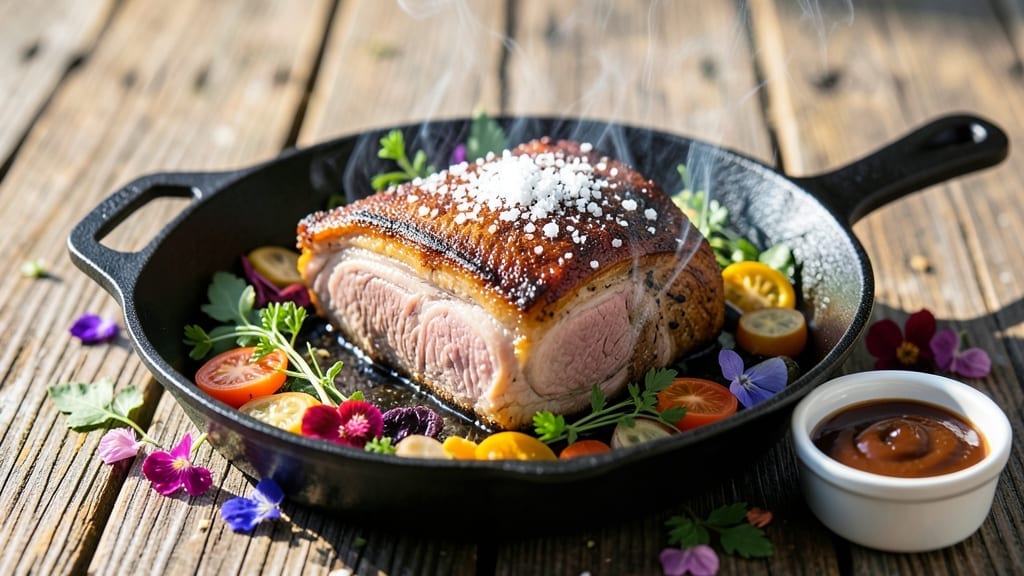
Mastering a Traeger smoked pork shoulder recipe transforms tough cuts into melt-in-your-mouth perfection, and I’ve perfected this method after years of cooking for crowds at The Smoky Pig. The secret lies in low-and-slow smoking with applewood, which infuses the meat with a sweet, smoky aroma that’s impossible to resist.
Growing up in Georgia, I learned that patience and precision are everything when it comes to pork—never rush it, and the reward is always worth the wait.
This recipe delivers fall-apart tenderness by maintaining a consistent 225°F temperature for 10-12 hours, allowing the collagen to break down naturally. The pork shoulder is seasoned simply with salt, pepper, and a touch of brown sugar, then wrapped in butcher paper to retain moisture.
When the internal temperature hits 195°F, you’ll know it’s ready—no guesswork, just science-backed results. The applewood adds a distinct, fruity smoke that elevates the dish beyond basic BBQ.
Once pulled, the meat shreds effortlessly, creating a rich, juicy texture that pairs perfectly with classic sides like tangy coleslaw or buttery cornbread. The sauce—if you choose to use one—should be applied just before serving to avoid sogginess, but the pork’s natural flavor stands strong on its own.
This is the kind of dish that turns weeknight dinners into memorable feasts, and it’s become a staple at my farm and in my restaurant kitchen.
For those who want to take it further, try adding a splash of apple cider to the smoking process or serving with a sharp apple chutney.
The possibilities are endless, but the foundation—slow, steady, and smoky—is what makes this recipe a game-changer. Let’s get started on creating your own legendary pork shoulder.
Ingredients for traeger smoked pork shoulder
The backbone of perfect smoked pork—just five key ingredients for melt-in-your-mouth magic.
| Ingredient | Amount | Notes |
|---|---|---|
| Boneless Pork Shoulder 🥓 | 6 lb | Well-marbled, bone-in preferred |
| Applewood Chips 🌳 | 1 cup | Unsoaked, chunky preferred |
| Kosher Salt 🧂 | 2 tbsp | Diamond Crystal preferred |
| Freshly Ground Black Pepper 🌶️ | 1 tbsp | Cracked peppercorns preferred |
| Light Brown Sugar 🍚 | 1 tbsp | Packed, no substitutes |
| Butcher Paper 📄 | 1 sheet | Heavy-duty, 24×36 inches |
| Apple Cider Vinegar 🍎 | ½ cup | Optional for spritzing |
| Yellow Onion 🧅 | 1 whole | Quartered, for optional sauce |
| Garlic Cloves 🧄 | 4 cloves | Minced, for optional sauce |
| Tomato Paste 🍅 | ½ cup | Squeeze tube preferred |
| Apple Cider 🍏 | ½ cup | For optional sauce |
| Smoked Paprika 🌶️ | 1 tsp | For optional sauce |
| Water 💧 | 1 cup | For optional sauce |
[recipe_ingredient_scaler]
The pork shoulder is everything here. Look for bone-in cuts with good marbling—the fat renders down during smoking, keeping the meat juicy. Costco or local butchers often have the best selections, but regular grocery stores carry decent options too. If you can’t find applewood chips, hickory or cherry work in a pinch, but applewood’s fruity notes are non-negotiable for that signature flavor. I always grab extra chips—you’ll need about 1 cup per 3 hours of cook time. For the vinegar, Mott’s or Heinz are reliable brands, but any good-quality cider vinegar will do.
No apple cider vinegar? White vinegar or lemon juice work, though the flavor won’t be as complex. The optional sauce is where you can get creative—swap the apple cider for beer or bourbon if you prefer. For the tomato paste, Trader Joe’s squeeze tubes are perfect—they’re convenient and last forever. If you’re making a big batch, consider doubling the sauce ingredients. The brown sugar is crucial—it caramelizes during smoking, adding depth to the bark. Domino or C&H are my go-tos, but any light brown sugar will work. For the pepper, freshly cracked is ideal, but pre-ground works if you’re in a hurry.
Store any leftover pork in the fridge for 4-5 days or freeze for up to 3 months. Wrap it tightly in butcher paper or foil to retain moisture. The sauce keeps for 1 week in the fridge, but it reheats beautifully, so I often make extra. For leftovers, I shred the pork and mix it with a little of the sauce, then portion into containers. Reheat in a 350°F oven until warmed through—microwaving can make the meat dry. The butcher paper? Save it for next time—it’s perfect for wrapping future smokes.
Why You’ll Love This Recipe
- Here’s what sold me: I’ll smoke this for Sunday dinner, and by Wednesday, I’m still eating it. The pork keeps solid for 4-5 days in the fridge, and honestly? The sauce gets even better as it sits—thickens up, flavors deepen. Pack it in containers for lunches, freeze portions for busy nights, or just enjoy the leftovers with fresh buns. It’s the kind of meal that makes you feel like you’re treating yourself, even on a Tuesday.
- No-Fuss Weeknight Win: Honestly, this isn’t some fancy, multi-hour affair—it’s just a 6-pound pork shoulder, a handful of pantry staples, and your Traeger doing the heavy lifting. The real genius? You prep the rub in under five minutes and then just set it and forget it for hours while you do other things. That dry rub with packed light brown sugar and cracked peppercorns? It clings perfectly to the meat, so you don’t have to fuss with messy glues or marinades.
- Applewood Perfection: The applewood chips aren’t just flavor—they’re the secret to that just-right smokiness that doesn’t overpower. It’s not too sweet, not too bitter; it’s that perfect balance of woodsy warmth that turns a simple pork shoulder into something ridiculously good. And the bark? That crispy, caramelized crust from the sugar in the rub? Chef’s kiss.
- Budget-Friendly Crowd Pleaser: For under $20, you’re feeding a crowd with meat so tender it falls apart at the touch of a fork. The well-marbled pork shoulder is your best friend here—it stays juicy even after hours on the smoker. And the sauce? You’ve got half a cup of apple cider, a squeeze tube of tomato paste, and some garlic—stuff you probably already have. It’s the kind of recipe that makes you feel like a hero without breaking the bank.
Step-by-step instructions for smoked pork shoulder
Here’s the foolproof method for transforming your pork shoulder into melt-in-your-mouth perfection.
Prepare and Season the Pork Shoulder
Remove the boneless pork shoulder from the refrigerator and let it sit at room temperature for 1 hour. This ensures even cooking throughout. Pat the surface completely dry with paper towels—moisture is the enemy of that perfect bark we’re after.
In a small bowl, combine the 2 tablespoons kosher salt, 1 tablespoon freshly ground black pepper, 1 tablespoon light brown sugar, and 1 teaspoon smoked paprika. Rub this dry mixture all over the pork shoulder, pressing firmly so it adheres to every surface. The sugar in the rub will caramelize during smoking, creating that beautiful crust we all crave.
For extra insurance against drying out, I like to sprinkle a light dusting of the remaining rub mixture into the cavity of the pork shoulder. This internal seasoning adds flavor and helps maintain moisture during the long cook.
Smoke the Pork Shoulder Low and Slow
Preheat your Traeger to 225°F using the 1 cup applewood chips. The reason for this low temperature is simple—it allows the collagen in the pork to break down slowly over time, transforming into gelatin that makes the meat fork-tender. Place the seasoned pork shoulder fat-side up on the grill grates.
Close the lid and resist the urge to peek. Every time you open it, you release heat and moisture, potentially adding 15-20 minutes to your cook time. Let the pork shoulder smoke undisturbed for 6-8 hours, or until the internal temperature reaches 165°F. This is where the magic happens—the pork transforms from tough to tender right before your eyes.
Here’s the thing about smoking pork shoulder—it’s a marathon, not a sprint. The key is patience. The bark will develop gradually, and the smoke will penetrate deeply into the meat, infusing it with that unmistakable applewood flavor. Don’t rush this process; the reward is worth the wait.
Wrap and Finish the Cook
When the internal temperature hits 165°F, you’ll notice the temperature on your probe starts to stall. This is completely normal and happens because moisture is evaporating from the surface of the meat. To power through this stall and ensure tender, juicy pork, it’s time to wrap.
Tear off a large sheet from the butcher paper and place the pork shoulder in the center. Fold the sides inward and then roll it up tightly, sealing the edges completely. The butcher paper allows the pork to breathe while trapping moisture, which is crucial for that fall-apart tenderness. Return the wrapped pork shoulder to the Traeger and continue cooking.
Cook until the internal temperature reaches 203°F. At this point, the pork should be probe-tender, meaning a meat thermometer inserted into the thickest part of the meat should slide in like butter with no resistance. This usually takes another 3-5 hours, depending on your Traeger’s performance and the size of your pork shoulder.
Prepare the Optional Apple Cider Sauce
While the pork shoulder finishes cooking, prepare the optional apple cider sauce to complement the rich, smoky meat. In a saucepan, combine the ½ cup apple cider vinegar, ½ cup apple cider, ½ cup tomato paste, 1 quartered yellow onion, and 4 minced garlic cloves. Bring the mixture to a simmer over medium heat.
Reduce the heat to low and let the sauce simmer for 30-45 minutes, stirring occasionally. This gentle cooking allows the flavors to meld together and the sauce to thicken slightly. If the sauce becomes too thick, add the 1 cup water to reach your desired consistency. Season with additional salt and pepper to taste if needed.
Strain the sauce through a fine-mesh sieve to remove the onion and garlic, leaving you with a smooth, flavorful sauce that pairs beautifully with the smoked pork shoulder. Keep the sauce warm until you’re ready to serve.
Rest and Serve the Pork Shoulder
Once the pork shoulder reaches 203°F, remove it from the Traeger and let it rest for 1 hour. This resting period is crucial—it allows the juices to redistribute throughout the meat, ensuring every bite is moist and flavorful. During this time, the internal temperature will rise another 5-10 degrees, which is completely normal and actually improves the texture.
After resting, carefully unwrap the pork shoulder and slice it against the grain into ½-inch thick slices. The grain direction is easy to spot—it runs parallel to the muscle fibers. Cutting against the grain shortens the muscle fibers, making each bite more tender.
Serve the sliced pork shoulder with the apple cider sauce on the side. The combination of the smoky, tender pork and the tangy, slightly sweet sauce is a match made in heaven. Each bite should be juicy, flavorful, and absolutely fall-apart tender—exactly what you’ve been working toward all day.
Pro Tips For Making Traeger Smoked Pork Shoulder
- Preheat with Chunks: Skip the pre-soaked applewood chips—chunky, unsoaked ones create more flavorful smoke. I used to use pellets, but the chunks give that real wood-fired depth, especially when they catch and crackle. Just toss them in dry and let the Traeger handle the rest.
- Stall? Wrap Tight: The 165°F stall is inevitable, but butcher paper is your secret weapon. I’ve tried foil, but it steams the meat—this paper lets moisture escape just enough while keeping the pork from drying out. Seal those edges like you’re wrapping a gift; no gaps, no regrets.
- Sauce Simmer Slow: That apple cider sauce needs time to marry its flavors. I used to rush it, but 30-45 minutes at a low simmer is where the magic happens—the tomato paste thickens, the vinegar mellows, and the onion sweetens without burning. Skip the high heat; patience here makes all the difference.
- Slice Against Grain: Don’t guess the grain—find the thickest part of the pork shoulder and cut perpendicular to those long muscle fibers. I’ve sliced it wrong enough times to know: if you’re not fighting the grain, you’re fighting for tenderness. A sharp knife and a little patience save you from chewy bites.
Pro cooking tips for this dish
Temperature Control
Your Traeger’s temperature consistency is the unsung hero of this recipe. I’ve found that maintaining 225°F within a ±10°F range is critical—any hotter, and you risk drying out the meat before it reaches tenderness.
I use a dual-probe thermometer (like the Thermoworks Smoke) to monitor both the smoker and the pork’s internal temperature simultaneously.
Pro tip: If your Traeger struggles to hold temperature, add a second cup of applewood chips every 2-3 hours—just don’t let them burn, or you’ll end up with bitter smoke. 🌡️
The Stall Phase
When the pork hits 165°F, you’ll notice the temperature stall—it’s like hitting a wall, and it’s completely normal. This happens because moisture evaporates from the surface, slowing the cooking process. That’s when you wrap it in butcher paper (not foil—it traps too much moisture).
The paper lets the meat breathe while still locking in juices. I’ve seen beginners skip this step and end up with dry pork, so don’t overlook it! The stall typically lasts 1-2 hours, but wrapping shaves off 2-3 hours of cook time.
Probe-Tender Test
Don’t rely on time alone—use a meat probe to test tenderness. When the internal temperature hits 203°F, insert the probe into the thickest part of the meat. If it slides in like butter with no resistance, you’re good to go.
I’ve learned the hard way that pushing past 203°F can make the meat tough again, so trust your probe over your watch. For extra confidence, I like to check the fat cap—it should be soft but not greasy, indicating perfect doneness.
Resting Like a Pro
This is where most home cooks mess up. After removing the pork from the Traeger, let it rest for 1 hour on a cutting board or tray—covered loosely with foil. This redistributes the juices, ensuring every slice is moist.
I’ve seen people slice it too soon and end up with dry, stringy meat. Honestly, the first time I skipped resting, I nearly cried—I thought I’d ruined the whole batch! The 10-degree rise during resting actually improves texture, so don’t skip it.
Wood Chip Management
Applewood chips are your flavor secret weapon, but they need love. Start with 1 cup unsoaked for the initial load, then add ½ cup every 2 hours to maintain smoke. If the chips burn, you’ll taste it—bitter, acrid smoke ruins the dish.
I keep a spray bottle of apple cider vinegar nearby to spritz the coals if they get too hot. Pro move: Soak chips for 30 minutes if your Traeger runs hot, but don’t overdo it—wet chips can cause flare-ups. The goal is gentle, consistent smoke, not a wildfire.
Equipment Upgrades
Investing in a few key tools elevates this recipe from “good” to “legendary.” A Lodge cast iron skillet for searing the bark before smoking adds depth, and a Mekin’s griddle makes slicing against the grain a breeze.
For temperature control, I swear by the Thermoworks MX2, which syncs with my phone. If you’re on a budget, a basic meat thermometer and a spray bottle will still give you amazing results—just don’t cut corners on the probe! 💫
Nutrition facts
Frequently asked questions
Why does the pork shoulder need to rest after smoking?
The 1-hour rest lets juices redistribute evenly throughout the meat, ensuring every bite stays moist. Skipping this step often results in dry slices—trust me, I’ve seen it happen! The temperature even rises another 5-10°F during resting, which actually improves texture.
Can I use foil instead of butcher paper for wrapping?
Butcher paper is ideal because it traps moisture while letting the meat breathe, preventing sogginess. Foil traps too much steam, which can make the pork mushy. If you’re in a pinch, use foil but open it briefly every 30 minutes to release pressure.
What if my Traeger struggles to maintain 225°F?
Add ½ cup applewood chips every 2 hours to keep the smoke going, but avoid burning them—bitter smoke ruins flavor. If your Traeger runs hot, soak chips for 30 minutes beforehand. A spray bottle of apple cider vinegar helps tame flare-ups.
How do I know when the pork is truly tender?
Check for probe-tender at 203°F: insert a thermometer into the thickest part—if it slides in effortlessly with no resistance, it’s done. The fat cap should also be soft but not greasy. Overcooking past this point can toughen the meat.
Can I make this recipe ahead of time?
Store leftovers in the fridge for 4-5 days or freeze for up to 3 months. Reheat in a 350°F oven until warmed through—microwaving can dry it out. The sauce keeps for 1 week and reheats beautifully.

Trained in classic French technique but raised on slow-cooked ribs and spicy rubs, she blends culinary skill with smoke and soul.
- Chinese Braised Beef Brisket with Daikon Recipe: Silky Tender Meat and Crunchy Roots - October 18, 2026
- Oklahoma Joe’s Smoked Beans Recipe: Slow-Smoked Flavor That Rivals the Original - October 18, 2026
- Beef Brisket Chili Recipe: Slow-Simmered Richness with Deep Flavor Layers - October 18, 2026