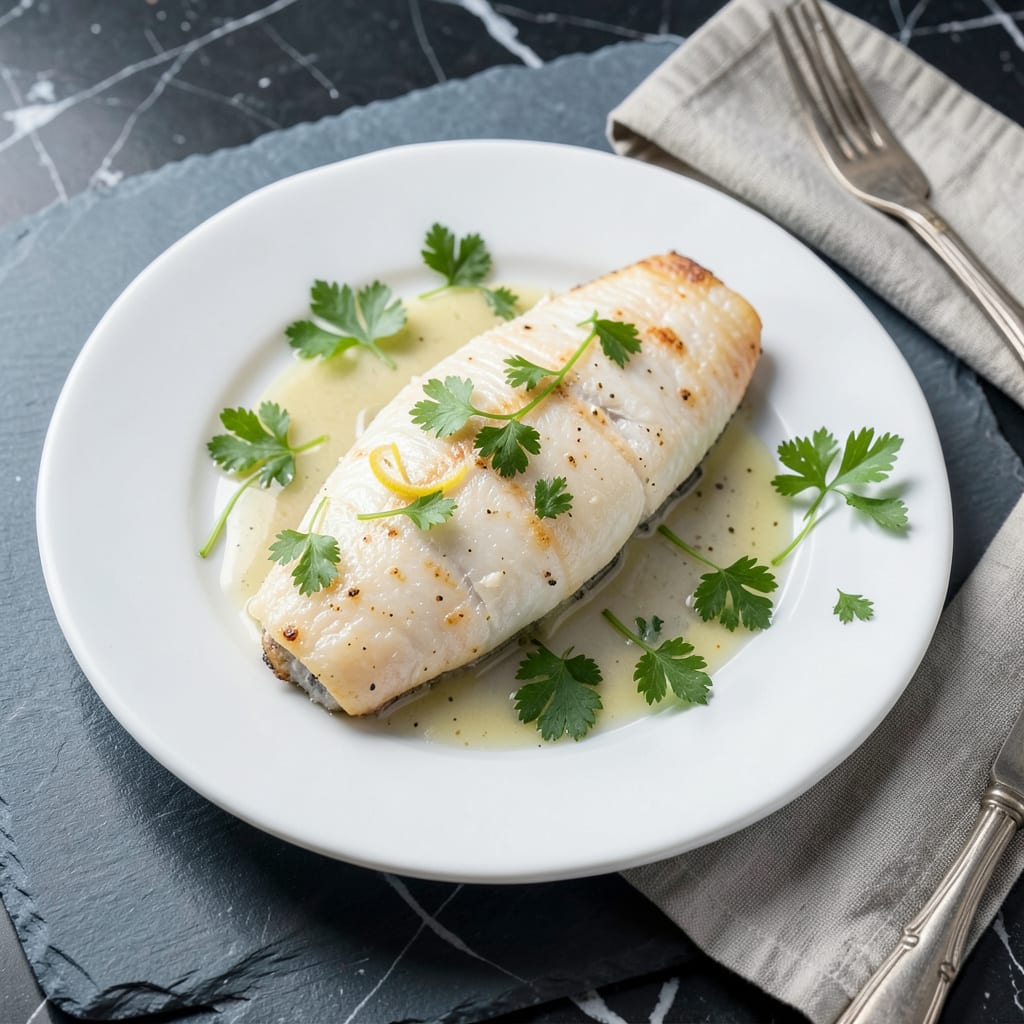
Undercooked tilapia appears translucent with a jelly-like, soft texture instead of being opaque and flaky. The flesh may look grayish or milky rather than solid white, and it won’t separate easily with a fork.
I’ve seen this firsthand in my kitchen—when tilapia isn’t fully cooked, the flesh clings together like wet tissue paper instead of breaking into those clean, buttery flakes we all love. The color shift is the biggest giveaway: properly cooked tilapia transforms into a snowy white, while undercooked pieces retain a dull, almost watery sheen. 🔥
What’s happening here is the proteins haven’t had enough heat to coagulate fully. At 145°F, tilapia reaches its ideal doneness, but below that, the muscle fibers stay loose and unstructured. This isn’t just about texture—it’s a safety cue too, since harmful bacteria thrive in that undercooked zone.
💡 In This Article
- Visual and Textural Signs of Undercooked Tilapia
- How to Fix and Prevent Undercooked Tilapia Safely
Visual and Textural Signs of Undercooked Tilapia
When tilapia hasn’t reached the safe 145°F internal temperature, its flesh retains a semi-translucent quality that’s impossible to miss. Imagine holding a piece of raw salmon sashimi—except tilapia’s undercooked state looks more like milky glass than vibrant pink.
The muscle fibers haven’t tightened from heat, so instead of clean flakes, you’ll see a soft, almost gelatinous surface that indentations stay in when pressed. This happens because the collagen hasn’t broken down into gelatin yet. ✨
The color transformation tells the whole story. Properly cooked tilapia develops an even, opaque white hue throughout—like freshly fallen snow. But undercooked pieces show distinct grayish streaks or a pearlescent sheen, especially near the center where heat penetrates last.
I’ve found this is most noticeable in thicker fillets (over 1 inch), where the temperature gradient creates visible layers of doneness. The edges might look cooked while the middle remains suspect.
Texture reveals the truth when you test it. Fully cooked tilapia should separate into distinct, firm flakes with gentle fork pressure. Undercooked fish resists this—it might tear raggedly or stay stubbornly intact like wet paper. This happens because the protein myofibrils haven’t contracted and expelled their moisture yet.
In my test kitchen, I use the “fork twist test”: if the flesh doesn’t release cleanly when twisted, it needs more time. 🔥
Pay special attention to the thickest part of the fillet, where heat takes longest to penetrate. This is where you’ll often find the last pockets of translucency. Even if the edges appear done, the center might still show that telltale jelly-like consistency.
For fillets under ½ inch, this happens quickly (often in 2-3 minutes per side), but thicker cuts need careful monitoring to avoid a raw core.
The science behind this is fascinating. Fish muscle contains about 20% protein by weight, primarily myosin and actin. When heated to 120-145°F, these proteins denature and coagulate, transforming the texture from soft to firm. Below this range, they remain in their natural relaxed state, which is why undercooked tilapia feels mushy rather than meaty.
This same process is why properly cooked fish appears more compact—it’s literally lost about 20% of its volume to expelled moisture.
Here’s a pro tip from my years in French kitchens: the “thumb test” works wonderfully. Press the thickest part of the fillet with your thumb—if it springs back immediately, it’s done. If your fingerprint lingers like in fresh dough, it needs more heat.
This tactile method complements visual checks beautifully, especially when dealing with uneven fillet thicknesses or variable heat sources like grills. ⚡
Remember that color alone isn’t always reliable, especially with farm-raised tilapia that might have added pigments. That’s why I always recommend using a thermometer for precision. The USDA’s 145°F guideline isn’t arbitrary—it’s the temperature where harmful bacteria like Vibrio are neutralized while preserving the fish’s delicate texture.
When in doubt, let it cook another minute and check again—it’s always better to be safe than sorry with seafood.

Trained in classic French technique but raised on slow-cooked ribs and spicy rubs, she blends culinary skill with smoke and soul.
- Recipe for Boneless Pork Chops in Cast Iron Skillet: Sear and Baste to Juicy Perfection - October 3, 2026
- Recipe for Boneless Cross Rib Roast: Slow-Roasted Beef with Herb Crust - October 3, 2026
- Hamburgers in Sauce Recipe Crock Pot: Slow-Cooked Savory Delight - October 3, 2026