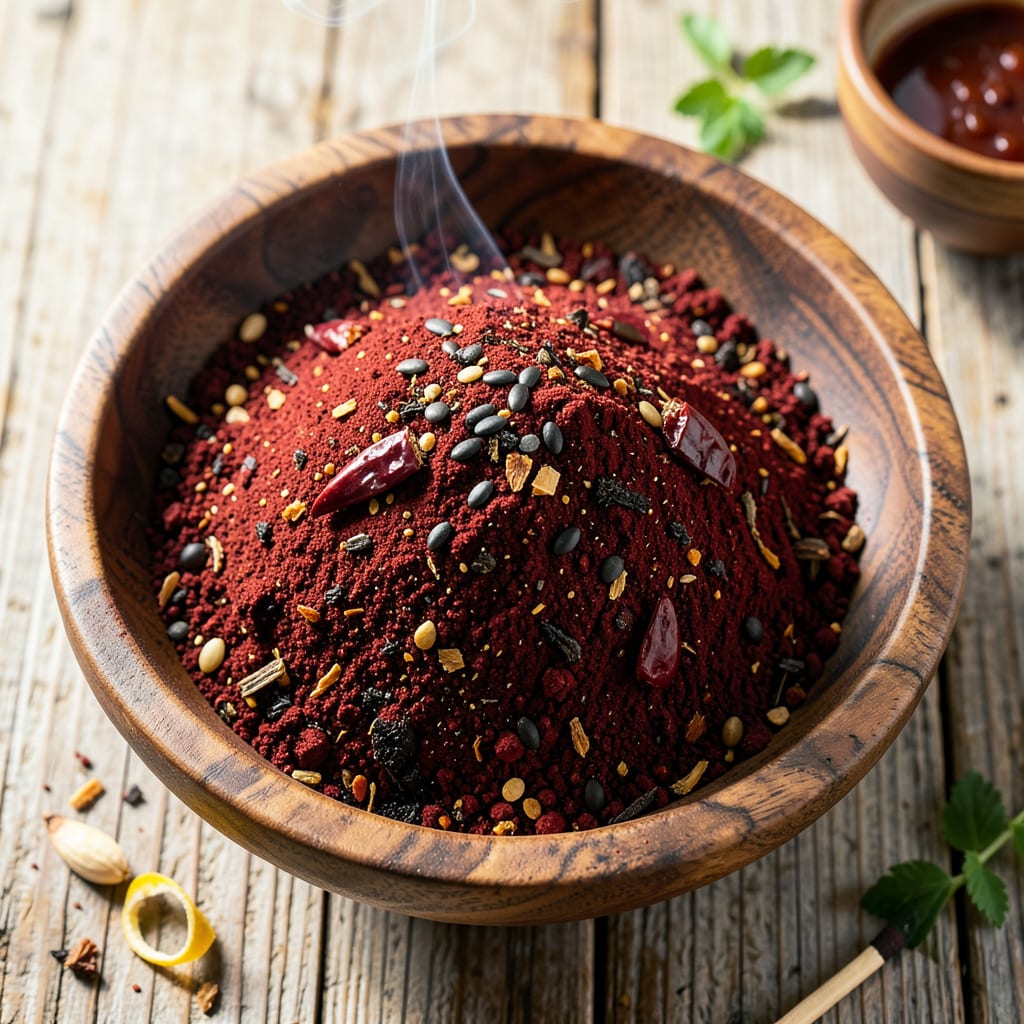
Dark chili powder is a deeper, more complex blend of ground chilies mixed with spices like cumin, garlic, and oregano. It offers a richer, earthier flavor with moderate heat, often used in hearty dishes like stews, marinades, and Mexican-inspired recipes.
This isn’t your average chili powder—it’s the secret weapon for building layers of flavor in slow-cooked dishes. 🔥 I’ve found it transforms everything from braised meats to bean-based stews by adding a subtle smokiness that regular chili powder can’t match. The key difference lies in the chilies used—typically ancho, pasilla, or mulato peppers—which are dried and ground to create that signature depth. Think of it as the umami boost your comfort food has been missing.
What I love most is its versatility beyond Mexican cuisine. ✨ A pinch in tomato-based sauces adds complexity, while a generous sprinkle in dry rubs creates that perfect crust on grilled meats. The moderate heat level means you get all the flavor without overwhelming spiciness—ideal when you want warmth without the burn.
💡 In This Article
- How Dark Chili Powder Gets Its Unique Flavor and Color
- Best Ways to Cook with Dark Chili Powder
How Dark Chili Powder Gets Its Unique Flavor and Color
The magic starts with the chilies themselves. Dark chili powder typically uses ancho, pasilla, or mulato peppers—all dried versions of poblano chilies that develop deep, raisin-like sweetness during the drying process. These aren’t just ground up raw; they’re often lightly toasted first to enhance their natural smokiness.
The Maillard reaction during toasting creates hundreds of new flavor compounds, giving that signature complexity you can’t get from fresh peppers.
What really sets it apart is the spice blend ratio. While regular chili powder might be 70% ground chili, dark versions often contain 40-50% ground chilies mixed with higher proportions of cumin (20-25%), garlic powder (10-15%), and oregano (5-10%). The cumin is usually toasted separately before blending, which amplifies its earthy notes.
I’ve found Mexican oregano works best here—it has a slightly citrusy edge that brightens the blend’s richness.
The processing method matters too. Commercial brands often use a two-step grinding process: first a coarse grind of the dried chilies, then a finer grind after mixing with other spices. This creates better flavor distribution.
The color comes from both the darker chilies and how they’re processed—some artisanal makers even add a touch of smoked paprika for extra depth. The result is a powder that’s visibly darker than standard chili powder, with a reddish-brown hue rather than bright red.
Here’s what’s fascinating about the flavor development: The natural sugars in the dried chilies caramelize slightly during processing, creating subtle molasses-like notes. This is why dark chili powder can add sweetness to dishes without any added sugar.
The heat level typically registers around 1,500-2,500 Scoville units—mild enough for most palates but with enough warmth to be noticeable.
Compare this to regular chili powder, which often uses brighter red chilies like cayenne or New Mexico varieties. Those chilies have higher capsaicin content but less natural sweetness. The spice blend in regular versions also tends to be simpler, with less cumin and more salt.
When I’m developing recipes, I think of dark chili powder as the “aged whiskey” version—deeper, more nuanced, with layers that unfold as you cook.
The aroma tells the story before you even taste it. Fresh dark chili powder should smell like dried fruit, toasted nuts, and warm spices—almost like a cross between a spice market and a wood-fired kitchen.
That complex aroma translates directly to flavor, which is why it works so well in slow-cooked dishes where the spices have time to bloom and meld together.
Pro tip: For the best flavor, toast your dark chili powder lightly in a dry pan for 30-60 seconds before adding liquids. This wakes up the volatile oils and intensifies the smoky notes. Just be careful—burnt chili powder turns bitter fast, so keep the heat at medium and stir constantly. 🔥

Trained in classic French technique but raised on slow-cooked ribs and spicy rubs, she blends culinary skill with smoke and soul.
- Recipe for Boneless Pork Chops in Cast Iron Skillet: Sear and Baste to Juicy Perfection - October 3, 2026
- Recipe for Boneless Cross Rib Roast: Slow-Roasted Beef with Herb Crust - October 3, 2026
- Hamburgers in Sauce Recipe Crock Pot: Slow-Cooked Savory Delight - October 3, 2026