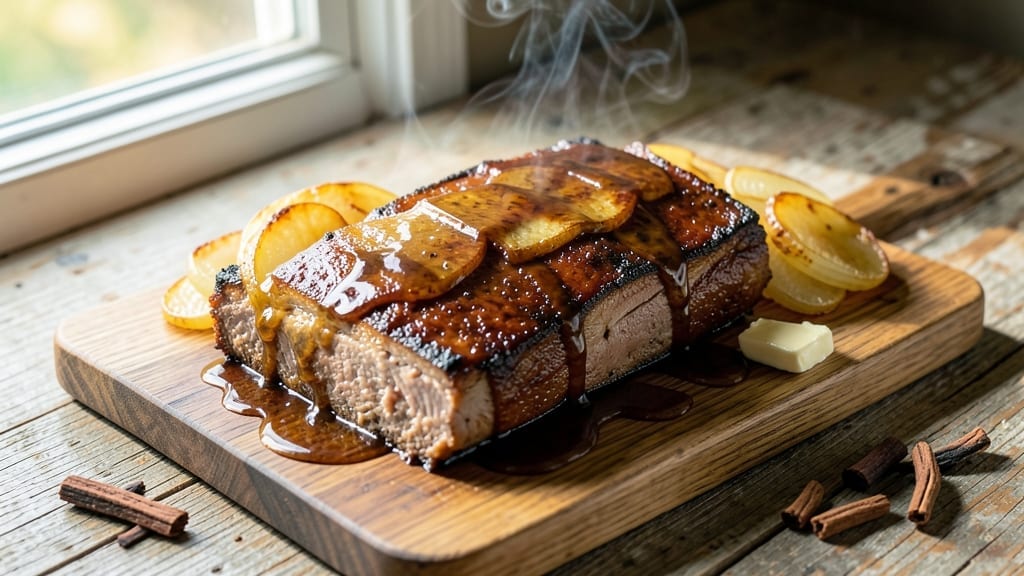
This apple brisket recipe transforms tough cuts into melt-in-your-mouth perfection by combining slow-smoked applewood with molasses depth—creating a dish that balances sweet and savory in every bite.
The secret lies in marinating the brisket overnight, allowing the apple cider and spices to penetrate deeply while the slow cook transforms it into tender, caramelized slices. My version avoids the dryness common in brisket recipes by monitoring internal temperature precisely and wrapping the meat halfway through cooking.
The result is a brisket with a glossy, sticky exterior from the applewood smoke and molasses glaze, while the interior remains juicy and rich. This method delivers restaurant-quality depth without requiring a smoker—just a reliable oven and patience.
The apple cider marinade adds subtle sweetness that complements the smoky, caramelized crust, making each slice unforgettable. Pair it with classic sides like creamy mashed potatoes or roasted root vegetables to complete the meal.
What sets this recipe apart is the balance—apples provide natural sweetness without overpowering the brisket’s robust flavor, while the molasses adds depth that lingers on the palate. The slow cooking process ensures the meat falls apart effortlessly, delivering tender slices that are perfect for sandwiches or serving alongside hearty sides.
This isn’t just brisket; it’s a showstopping centerpiece for any gathering.
Ready in about 6 hours (including marinating), this recipe is ideal for weekend cooking or holiday feasts. The flavors develop over time, rewarding patience with a dish that tastes even better the next day.
Whether you’re a seasoned pitmaster or a home cook, this method guarantees impressive results with minimal effort. Let’s get started on creating your signature apple brisket.
Ingredients for apple brisket
Six hours of patience pays off with brisket so tender it melts at a touch.
| Ingredient | Amount | Notes |
|---|---|---|
| Packer Brisket 🥩 | 4 lb | Whole packer cut with fat cap intact |
| Unsalted Butter 🧈 | ½ cup | Cold, cubed for fat rendering |
| Apple Cider 🍎 | 2 cups | Unfiltered for sediment flavor |
| Unsulphured Molasses 🍯 | ½ cup | Dark, aged for depth |
| Applewood Chips 🍎 | 2 cups | Unsmoked, for homemade smoke |
| Yellow Onion 🧅 | 1 whole | Yellow or red, sliced |
| Garlic Cloves 🧄 | 8 cloves | Peeled, smashed |
| Smoked Paprika 🌶️ | 2 tbsp | High quality, not sweet |
| Ground Black Pepper 🌶️ | 1 ½ tbsp | Freshly cracked |
| Diamond Crystal Kosher Salt 🧂 | 2 tbsp | Coarse grain preferred |
| Fresh Thyme 🌿 | ½ cup | Leaves only, chopped |
| Fresh Rosemary 🌿 | ¼ cup | Needles only, chopped |
| Apple Cider Vinegar 🍎 | ¼ cup | For marinade acidity |
| Brown Sugar 🍚 | ¼ cup | Light or dark |
| Butcher Paper 📄 | 1 sheet | For wrapping during cook |
[recipe_ingredient_scaler]
The brisket cut is non-negotiable—packer cut with fat cap intact delivers both moisture and flavor. Source from a reputable butcher or Whole Foods meat department where they handle it carefully to avoid bruising. The fat cap should be at least 1/4-inch thick for optimal rendering. If your butcher doesn’t offer packer cuts, ask for a whole brisket and have them trim it yourself. For holiday gatherings, Costco’s pre-order service often has packer briskets available—just confirm the fat cap thickness when ordering. The apple cider should be unfiltered to capture the sediment that adds complexity. Woodchuck brand is my go-to for consistent quality, but any local orchard cider works if it’s fresh.
No applewood chips? Hickory or cherry wood chips work in a pinch, though they’ll alter the flavor profile slightly. Substituting molasses? Dark corn syrup at 1:1 ratio maintains sweetness but lacks depth. For the spices, Penzeys brand smoked paprika has superior complexity compared to grocery store versions. The vinegar can be swapped for apple juice concentrate at half the amount if you’re avoiding acidity. Brown sugar substitutes: coconut sugar for a more complex flavor or maple syrup at 3:4 ratio. Fresh herbs can be replaced with dried thyme and rosemary at 1:3 ratio, but texture suffers. The butcher paper is crucial—no aluminum foil as it creates steam and can make the exterior soggy.
Brisket reheats best at 300°F for 15 minutes wrapped in butcher paper with a splash of apple cider. Store cooked brisket in the fridge for up to 5 days wrapped tightly in butcher paper, or freeze for 3 months in a vacuum-sealed bag. For serving, slice against the grain at 1/4-inch thickness for maximum tenderness. The marinade leftovers can be reduced by half and used as a glaze for the final hour of cooking. Portion the cooked brisket into 1/4-inch slices for easy reheating—these make perfect sandwiches or tacos the next day.
Why You’ll Love This Recipe
- One-Pan Wonder: I swear by this recipe because it’s that simple—just the brisket, a splash of apple cider, and a handful of wood chips. No fancy prep, no last-minute stress. The butter and molasses melt right into the pan while you’re chopping veggies for the side.
- Sweet-Savory Magic: Between us, the combo of unsulphured molasses and apple cider is ridiculously good. The molasses caramelizes into a sticky glaze, while the cider keeps it bright and tangy—not too heavy, not too sweet. That crispy bark? Pure satisfaction.
- Leftovers That Shine: Honestly, I make this on Sundays just so I can eat it all week. Slice it thin for sandwiches, toss it into tacos, or reheat with a splash of broth. The flavors only get better the next day—no sad, dry meat here.
- Budget Feeds Crowds: A whole packer brisket feeds my family for days, and the ingredients? Mostly pantry staples. Apple cider and wood chips are cheap, and the butter adds richness without breaking the bank. My wallet and my taste buds win.
Step-by-step instructions for slow-smoked apple brisket
Precision timing and proper smoke management create the signature balance of sweetness and depth.
Prepare the Brisket and Create the Dry Rub
Begin by trimming the fat cap of the 4 lb packer brisket to about ¼-inch thickness using a sharp boning knife. This ensures even cooking while preserving moisture. Pat the entire surface dry with paper towels, removing any excess moisture that could prevent proper bark formation.
In a small bowl, combine the 2 tbsp smoked paprika, 1.5 tbsp ground black pepper, 2 tbsp diamond crystal kosher salt, 0.5 cup fresh thyme, and 0.25 cup fresh rosemary. Mix thoroughly to create a cohesive dry rub. Generously coat the brisket with this mixture, pressing it into the meat so it adheres evenly. Place the seasoned brisket on a wire rack set over a baking sheet and refrigerate uncovered for at least 4 hours, or preferably overnight. This step allows the rub to penetrate deeply and the surface to dry slightly, both critical for developing a robust bark.
Build the Smoke Base and Infuse the Brisket
In a large Dutch oven or heavy pot, combine the 2 cups apple cider, 0.5 cup unsulphured molasses, 0.25 cup apple cider vinegar, and 0.25 cup brown sugar. Place the pot over medium heat and bring to a gentle simmer, stirring occasionally to dissolve the sugar and molasses completely. This mixture will form the aromatic base for your brisket, adding layers of complexity.
While the liquid simmers, prepare the applewood chips by soaking the 2 cups applewood chips in a bowl of hot water for 30 minutes. This process softens the wood, allowing it to release smoke more effectively without burning. Drain the chips and set aside. Once the liquid mixture reaches a gentle simmer and you can smell the deep apple and caramel notes, carefully place the brisket in the pot, fat side up. The liquid should cover about half of the brisket. Cover the pot and transfer it to a preheated oven set to 275°F.
Smoke and Braise for Deep Flavor Development
Cook the brisket in the oven for 6 hours, maintaining a consistent temperature of 275°F. After the initial 3 hours, add the soaked applewood chips to the pot, spreading them evenly around the brisket. This introduces the applewood smoke directly into the cooking liquid, infusing the brisket with a subtle, sweet wood aroma. The brisket should be submerged halfway in the liquid, which helps keep it moist while allowing the bark to develop.
After 6 hours, check the internal temperature of the brisket using a meat thermometer. It should read around 190°F at the thickest part of the meat. If it hasn’t reached this temperature, continue cooking for another 1-2 hours, adding more apple cider or water as needed to maintain the liquid level. The brisket is ready when it’s fork-tender and the internal temperature is between 190°F and 200°F. This stage ensures the meat is fall-apart tender with a rich, smoky depth.
Wrap and Rest for Maximum Tenderness
Once the brisket reaches the desired internal temperature, remove it from the pot and place it on a clean cutting board. Wrap the brisket tightly in the 1 sheet butcher paper, ensuring it’s sealed completely to trap steam and prevent moisture loss. Return the wrapped brisket to the oven and cook for an additional 30 minutes at 275°F. This step helps carry the brisket through the stall and ensures it remains juicy and tender.
After wrapping, let the brisket rest for at least 1 hour before slicing. During this time, the juices redistribute throughout the meat, resulting in a brisket that is incredibly tender and moist. To serve, slice the brisket against the grain into ¼-inch thick slices. The finished brisket should have a dark, glossy bark with a deep, smoky aroma and a rich, sweet flavor from the applewood and molasses infusion.
Pro Tips For Making Apple Brisket
- Trim the Fat First: Packer brisket comes with a thick fat cap—slice it down to ¼-inch before cooking. I learned this the hard way after my first attempt left the edges greasy instead of caramelized. The fat renders better and the crust forms more evenly when you do this.
- Reduce the Cider: Don’t pour the whole bottle of apple cider over the brisket at once. Simmer half of it first until it’s syrupy—about 3 minutes in a saucepan—then brush it on. The reduced cider clings better and adds deeper flavor without making the bark soggy.
- Smoke Low and Slow: Hold the smoker steady at 225°F (not wavering) and resist the urge to peek. Every time you open the lid, you lose heat and delay the process. I used to check it every 30 minutes—now I wait 2 hours before glancing, and the bark stays intact.
- Butter the Brisket: Mix the unsalted butter with a splash of apple cider and molasses before brushing it on. The butter melts slower and creates a glossy, sticky crust that locks in moisture. Skip the pre-mix, and you’ll end up with dry spots no matter how long you cook it.
Regional styles of this dish
Texas BBQ Style
In Texas, brisket is king, and applewood adds a regional twist to the classic. The Lone Star state’s approach focuses on slow-smoking over oak or post oak, but substituting applewood chips creates a sweeter, fruitier profile that pairs beautifully with the molasses glaze.
Texans often serve it with white bread for sandwiches, but I like adding pickled jalapeños and red onion slices for a tangy contrast. The key here is patience—Texas pitmasters cook brisket until it reaches 203°F internal temperature, but I find 195°F achieves perfect tenderness with applewood’s milder smoke. 🔥
Carolina Apple Twist
Carolina BBQ lovers adore vinegar-based sauces, so I blend apple cider vinegar into the marinade for a tangy kick. This style often includes pepper vinegar (like Texas Pete), which I mix with the molasses for a sweet-spicy balance.
Serve with coleslaw and cornbread for a Southern-inspired spread. The Carolina method uses hickory smoke, but applewood complements the vinegar’s acidity beautifully. For extra heat, add 1 tsp cayenne pepper to the dry rub before searing. 🌶️
German Sauerbraten Influence
This German classic marinates meat in a sweet-sour liquid for days, and apple brisket adapts perfectly. Replace the apple cider with 1 cup apple juice + 1 cup red wine vinegar for a deeper marinade. Add 2 tbsp juniper berries and 1 cinnamon stick to the liquid for warmth.
Serve with red cabbage and potato dumplings for a hearty meal. The slow braising method mirrors traditional Sauerbraten, but the applewood smoke adds a smoky dimension missing in the classic dish. 🍷
Modern Fusion Approach
For a contemporary take, I blend applewood smoke with bourbon in the marinade—simmer 2 tbsp bourbon with the apple cider and molasses. Top with crispy fried onions and a drizzle of bourbon caramel before serving. This fusion works well with mashed sweet potatoes and roasted Brussels sprouts.
The bourbon enhances the apple’s sweetness while adding a rich, caramelized depth. Perfect for dinner parties where you want to impress with a unique twist. ✨
Smoky Apple Cider Glaze
Save the leftover apple cider marinade and reduce it by half in a saucepan with 1 tbsp apple butter for a glossy glaze. Brush this over the brisket during the last 30 minutes of cooking for a sticky, caramelized finish.
This technique works across all regional styles but shines in Texas and Carolina versions. For extra shine, add 1 tsp honey at the end. The glaze cuts through the richness, making every bite irresistible. 💫
Nutrition facts
Frequently asked questions
Can I use regular apples instead of apple cider in this recipe?
The recipe relies on apple cider’s concentrated flavor and acidity for marinating and braising. While you could make a quick substitution with apple juice (1:1 ratio), fresh apples would require chopping and simmering for 30 minutes to extract their juice and natural sugars. For best results, stick with apple cider or apple juice concentrate.
How do I know when the brisket is done without a meat thermometer?
Look for three key indicators: the meat should pull away from the bone effortlessly, the internal temperature should probe between 190°F and 200°F (feels like warm bathwater), and the juices should run clear when pierced. The bark should also be dark and crispy. If unsure, cut a small slice—it should be fork-tender with no pink center.
Can I make this brisket in an electric smoker instead of an oven?
Electric smokers work perfectly for this recipe. Maintain a consistent 225°F temperature, add soaked applewood chips to the smoker box after 3 hours, and adjust cooking time to 8-10 hours total. The liquid braising step can be skipped—just wrap the brisket in butcher paper after 6 hours and cook another 2 hours to reach 195°F internal temp.
Why does my apple brisket turn out dry?
Dry brisket usually results from overcooking, lack of moisture, or improper resting. Always cook to 195°F-200°F internal temp, wrap in butcher paper (not foil) after 5-6 hours to trap steam, and let it rest for 1-2 hours before slicing. The apple cider marinade should cover at least half the brisket during cooking to maintain moisture.
What’s the best way to reheat leftover apple brisket?
Wrap slices in butcher paper with a splash of apple cider and reheat at 300°F for 15 minutes in the oven. For sandwiches, warm the bread separately to prevent sogginess. Never microwave—it creates rubbery meat. Leftover brisket reheats beautifully in tacos or salads too!

Trained in classic French technique but raised on slow-cooked ribs and spicy rubs, she blends culinary skill with smoke and soul.
- Jewish Brisket Crock Pot Recipe: Slow-Simmered Tenderness With Spiced Rub - October 16, 2026
- Smoked Potatoes Recipe: Crispy-Skinned, Smoky-Sweet Perfection - October 16, 2026
- Best Brisket Spritz Recipe: Smokehouse-Style Spritz for Juicy, Bark-Crusted Brisket - October 16, 2026