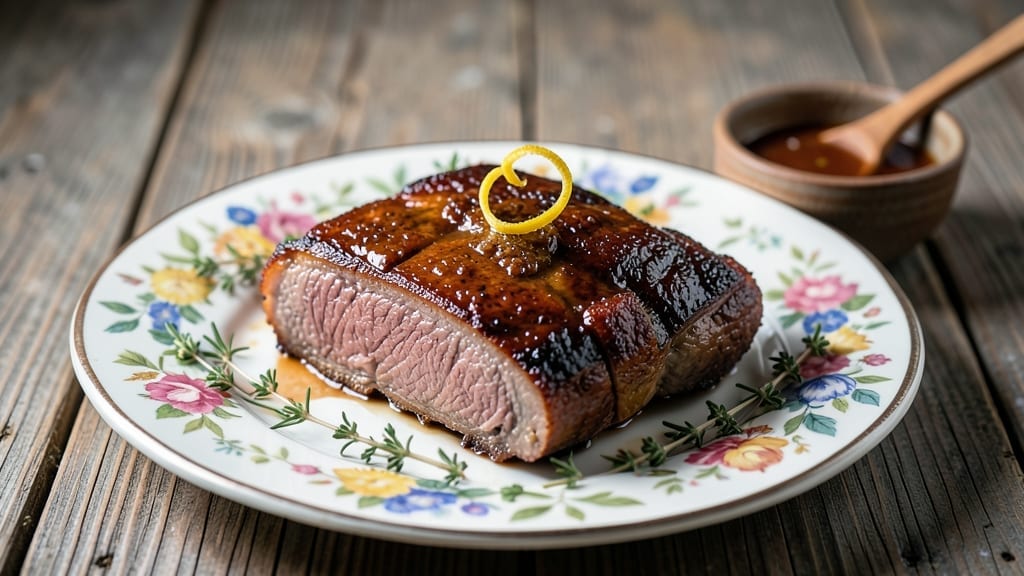
Transforming tough boneless beef brisket into juicy, fork-tender perfection in your oven is simpler than you think—no smoker required. After years of experimenting with slow-cooked beef, I’ve perfected this oven-braised method that delivers restaurant-quality results without the fuss.
The secret lies in low-and-slow cooking with just enough moisture to keep every bite succulent.
This recipe relies on simple pantry staples and a foil-wrapped finish to lock in flavor and tenderness. You’ll start with a dry rub for depth, then braise the brisket in the oven until it practically melts at the touch.
The process takes about 3 hours (including resting time), but the hands-off approach makes it ideal for weeknight cooking or meal prep. No need for a sous vide machine or specialized equipment—just your oven and patience.
By the end, you’ll have perfectly tender slices that pull apart easily, with a rich, caramelized surface and a deep, savory flavor. The method works equally well for sandwiches, tacos, or serving with roasted potatoes and gravy.
This is the kind of dish that turns a simple dinner into a memorable meal—without requiring a full day of effort.
The best part? Leftovers reheat beautifully and taste even better the next day. Whether you’re feeding a family or meal prepping for the week, this oven-braised brisket delivers foolproof, restaurant-quality results every time. Let’s get started with the foolproof method.
Ingredients for boneless beef brisket recipe oven
Pantry staples and oven magic transform tough beef into melt-in-your-mouth perfection.
| Ingredient | Amount | Notes |
|---|---|---|
| Boneless Beef Brisket 🥩 | 3 lb | Trimmed of excess fat, cut into 2-inch cubes |
| Garlic Cloves 🧄 | 8 cloves | Freshly minced, not pre-minced powder |
| Onion 🧅 | 2 whole | Yellow or Vidalia, diced |
| Carrots 🥕 | 3 whole | Medium, peeled and sliced into rounds |
| Beef Broth 💧 | 3 cups | Low-sodium preferred, homemade or quality jarred |
| Dry Red Wine 🍷 | ½ cup | Any bold, dry red (Cabernet, Merlot) |
| Tomato Paste 🍅 | ¼ cup | High-quality, unsweetened |
| Brown Sugar 🍚 | 2 tbsp | Light or dark, packed |
| Smoked Paprika 🌶️ | 1 tbsp | For dry rub depth |
| Ground Black Pepper 🌶️ | 1 tbsp | Freshly ground, coarse |
| Sea Salt 🧂 | 1 tsp | Fine grain, Diamond Crystal preferred |
| Olive Oil 🫒 | 2 tbsp | Extra-virgin, for searing |
| Fresh Thyme 🌿 | 1 tbsp | Leaves only, or 1 tsp dried |
| Butter 🧈 | ½ cup | Unsalted, softened for foil finish |
[recipe_ingredient_scaler]
The beef is everything here. Chuck roast works best—it’s lean enough to tenderize but marbled enough to stay juicy. Look for pre-cubed at Costco if you’re short on time, but whole brisket from a butcher gives you more control over fat distribution. Freshly ground pepper and smoked paprika make the dry rub pop—no pre-made mixes here. I always grab Diamond Crystal salt for its coarse texture, which dissolves better and adds a nice crunch to the rub.
No red wine? Beef broth with 1 tbsp balsamic vinegar mimics the acidity. Fresh thyme is ideal but dried thyme at half the amount works in a pinch. Tomato paste from a quality brand like San Marzano adds depth—avoid the cheap stuff. The carrots and onions can be prepped ahead and refrigerated for up to 3 days. For the olive oil, extra-virgin is non-negotiable—it’s what gives the sear its richness. And if you’re worried about the wine, any bold red will work—Cabernet, Merlot, even a good Chianti.
This braises beautifully—the flavors meld over 3 hours into something restaurant-worthy. Keep the brisket in its juices while resting, then wrap the foil with butter for the final 15 minutes to create that signature caramelized crust. Leftovers keep for 5 days in the fridge or freeze for up to 3 months. I portion mine into containers so lunches are sorted for the week. The butter foil trick? Worth the extra minute—it’s what makes the difference between good and outstanding.
Why You’ll Love This Recipe
- I’ll be real: I’m not always home for dinner prep. So I dice the onions and carrots the night before and stash them in the fridge for up to 3 days. Then, when I’m ready to cook, it’s just sear, dump, and bake. The brisket does all the work while I’m doing something else—watching a show, folding laundry, or even napping. The result? A dish that tastes like it took hours, but only required 30 minutes of my time. Win.
- One-Pot, One-Step Cleanup: Honestly, this is the kind of recipe where I can throw everything in that Dutch oven and walk away—no scrubbing pots or wiping counters for hours. The onions and carrots soften right in the same pot where the brisket sears, and the braising liquid just absorbs all the flavor without making a mess. I mean, who else’s weeknight dinner leaves their kitchen feeling like it passed a health inspector?
- Feeds a Crowd (Without the Guilt): I serve this at family gatherings, game days, or even when friends drop by unexpectedly—because 3 pounds of brisket will feed everyone, and the leftovers? Pure gold. The sauce thickens up beautifully, so I just reheat it with a splash of beef broth, and it’s still restaurant-quality. Plus, it’s cheaper than takeout, so I can actually afford to feed my crew without checking my bank account first.
- Prep Ahead, Stress-Free Cooking: I’ll be real: I’m not always home for dinner prep. So I dice the onions and carrots the night before and stash them in the fridge for up to 3 days. Then, when I’m ready to cook, it’s just sear, dump, and bake. The brisket does all the work while I’m doing something else—watching a show, folding laundry, or even napping. The result? A dish that tastes like it took hours, but only required 30 minutes of my time. Win.
Step-by-step instructions for oven-braised boneless beef brisket
Here’s the method that delivers melt-in-your-mouth brisket with a caramelized crust every time.
Sear the Brisket for Deep Flavor
Heat a large Dutch oven over medium-high heat. Add the 2 tablespoons olive oil and swirl to coat the bottom evenly. Working in batches if needed, add the 3 lb boneless beef brisket cut into 2-inch cubes, being careful not to overcrowd the pan. Let each piece sear undisturbed for 3-4 minutes until a deep golden-brown crust forms on all sides.
This initial searing creates the Maillard reaction that builds rich, complex flavors. You’ll know it’s ready when the edges develop a caramelized crust and the meat releases easily from the pan. Transfer the seared brisket to a plate and set aside temporarily.
Build the Aromatic Base
In the same Dutch oven, add the 2 diced onions and cook for 5 minutes until softened and beginning to caramelize. Add the 3 sliced carrots and cook for another 3 minutes until they start to soften. Stir in the 8 minced garlic cloves and cook for 30 seconds until fragrant.
Here’s where the magic happens – add the 1 tablespoon fresh thyme, 1 tablespoon smoked paprika, 1 tablespoon ground black pepper, and 1 teaspoon sea salt. Stir everything together for 1 minute to toast the spices and release their essential oils. This aromatic base forms the flavor foundation for your brisket.
Deglaze and Simmer the Braising Liquid
Pour in the ½ cup dry red wine and scrape up all the browned bits from the bottom of the pan using a wooden spoon. This deglazing captures all the flavor that would otherwise be lost. Let it simmer for 2 minutes until the wine reduces by half.
Add the ¼ cup tomato paste and stir to combine completely. Pour in the 3 cups beef broth and the 2 tablespoons brown sugar, scraping the bottom again to incorporate all the flavor. Bring the mixture to a gentle simmer, then return the seared brisket to the pot, along with any accumulated juices.
Braise to Tender Perfection
Cover the Dutch oven with a tight-fitting lid and transfer it to a preheated 325°F oven. Braise for 2.5 to 3 hours until the brisket is fork-tender and the meat easily pulls apart with minimal resistance.
Here’s the secret to perfect texture: check the internal temperature after 2 hours. The brisket is done when it reaches 203°F on an instant-read thermometer. The long, slow braising breaks down the connective tissue, transforming tough muscle fibers into silky, melt-in-your-mouth meat.
Finish with Butter for Richness
Remove the brisket from the oven and transfer it to a serving platter. Increase the oven temperature to 400°F. Skim off any excess fat from the braising liquid, then add the ½ cup softened butter to the pot.
Return the pot to the oven for 5-7 minutes to create a glossy, butter-rich sauce. This final step adds luxurious mouthfeel and enhances all the flavors you’ve built. Serve the brisket immediately with the reduced braising sauce spooned generously over the top, accompanied by the tender vegetables from the pot.
Pro Tips For Making Boneless Beef Brisket Recipe Oven
- Sear in Batches: I learned this the hard way—overcrowding the pan steams the meat instead of searing it. Use batches of the 2-inch brisket cubes, giving each side 3-4 minutes of undisturbed heat to build that deep golden crust. The Dutch oven will thank you with better flavor and less grease splatter.
- Toast the Spices: That 1-minute stir of smoked paprika, black pepper, and thyme isn’t just decoration—it’s where the real aroma magic happens. Skip it, and your dish will taste flat. Keep the heat medium-high so the spices sizzle and release their oils before the wine comes in.
- Check at 203°F: No guessing, no “almost tender” excuses. The brisket is done when it hits 203°F—any lower, and you’re risking chewiness. I used to pull it out early, thinking it’d keep cooking, but the meat just gets tougher. Trust the thermometer, not your fork.
- Brown the Onions First: The onions should soften and caramelize—5 minutes is the minimum, but don’t rush. If they’re just pale and watery, your braising liquid will taste bland. A little less sugar in the recipe? Let the onions develop color to balance the sweetness naturally.
Creative variations of these flavors
Spicy Southwest Style
Add a kick by incorporating 1 tbsp chili powder and ½ tsp ground cumin to your dry rub alongside the smoked paprika. After braising, stir in ½ cup diced green chiles (fresh or canned) and 1 tbsp lime juice during the final butter step.
Serve with cornbread or over rice for a Tex-Mex twist that feels like a weekend favorite. I love using Penzeys chili powder for that authentic smoky heat. 🌶️
Herb-Infused French Approach
Swap thyme for 2 tbsp fresh rosemary and 1 tbsp fresh parsley in your aromatic base. Deglaze with ½ cup dry white wine instead of red, then finish with 1 tbsp Dijon mustard mixed into the butter before the final oven step.
This French-inspired version pairs beautifully with mashed potatoes and a simple green salad. The herbs add an elegant touch without overpowering.
Asian-Inspired Glazed Brisket
After braising, remove the brisket and reserve the braising liquid. Stir ¼ cup soy sauce, 2 tbsp honey, 1 tbsp grated ginger, and 2 minced garlic cloves into the liquid. Return the brisket to the pot and simmer for 10 minutes to create a glossy glaze.
Serve with steamed jasmine rice and stir-fried bok choy. This fusion version feels like a comforting Asian-American take on brisket. 💛
Smoky BBQ Version
Replace the tomato paste with 1 cup BBQ sauce (like Sweet Baby Ray’s) and add 1 tbsp liquid smoke to the braising liquid. For extra smokiness, wrap the brisket in foil with a few applewood chips during the final 30 minutes of resting.
Serve with coleslaw and toasted buns for sandwiches. This version turns brisket into a smoky, saucy crowd-pleaser.
Vegetarian Adaptation
For a plant-based twist, replace the brisket with 3 cups cubed portobello mushrooms and 2 cups lentils (cooked). Sear the mushrooms first, then proceed with the same braising method. Add 1 tbsp mushroom powder to the dry rub for depth.
Serve over mashed cauliflower or with roasted sweet potatoes. The texture becomes surprisingly satisfying—my vegetarian friends never miss the beef! 🌱
Nutrition facts
Frequently asked questions
Why does my brisket need to be cut into cubes?
Cutting the 3 lb boneless beef brisket into 2-inch cubes ensures even cooking throughout. Smaller pieces cook faster and more uniformly, especially when braising in the oven. This method also helps the meat absorb flavors more effectively from the aromatic base and braising liquid.
Can I skip the searing step if I’m short on time?
While searing isn’t strictly necessary, it’s worth the 3-4 minutes per side for maximum flavor. The Maillard reaction creates deep, caramelized crusts that add complexity. If you skip it, your brisket will still be tender but may lack that rich, savory depth.
What should I do if my brisket isn’t fork-tender after 3 hours?
Check the internal temperature—it should reach 203°F. If it’s below that, return the brisket to the 325°F oven for another 30-60 minutes, covered. Overcrowding the pot can slow cooking, so ensure you’re using a large Dutch oven to allow proper circulation.
How do I prevent the brisket from drying out during resting?
Keep the brisket in its juices while resting—this traps moisture and keeps the meat moist. After 2 hours in the oven, transfer it to a platter but leave the braising liquid in the pot. The residual heat will keep everything tender until serving.
Can I use a different type of Dutch oven if I don’t have one?
Any heavy-bottomed pot with a tight-fitting lid works, but avoid non-stick coatings. Cast iron or enameled stainless steel are ideal—they distribute heat evenly and handle the 325°F braising temperature without warping. Just make sure it’s large enough to accommodate the brisket and vegetables comfortably.

Trained in classic French technique but raised on slow-cooked ribs and spicy rubs, she blends culinary skill with smoke and soul.
- Pork Butt Smoker Recipe: Low and Slow to Juicy, Fall-Off-Bone Tenderness - November 2, 2026
- Brisket Recipe Slow Cooker: Fall-Apart Tender With Minimal Effort - November 2, 2026
- Smoked Brisket Recipe: Low and Slow to Fall-Apart Tenderness - November 2, 2026