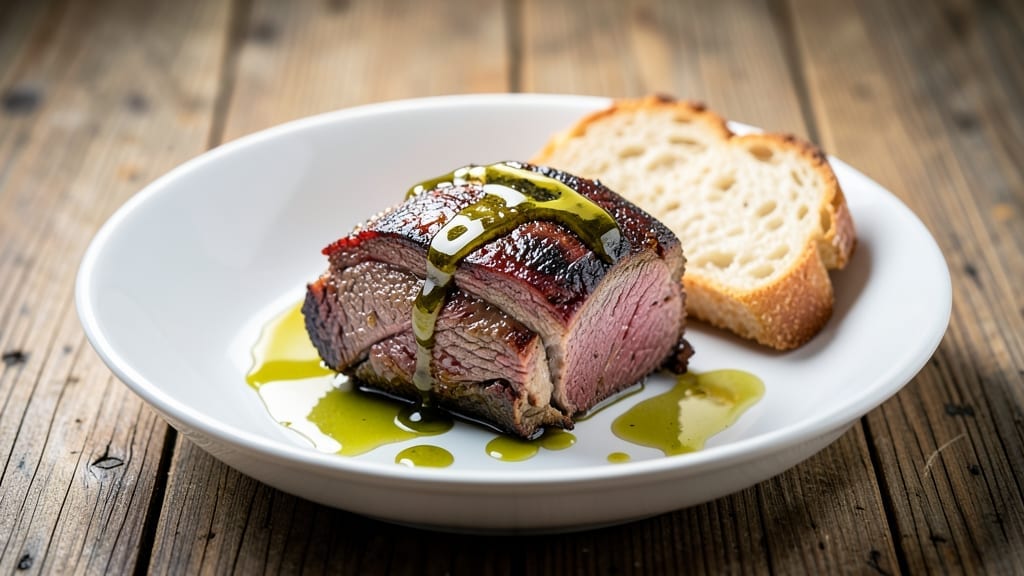
This keto beef brisket recipe delivers all the rich, smoky satisfaction of traditional brisket—just without the carbs. After perfecting this method through countless slow-cooked batches, I’ve cracked the code for tender, melt-in-your-mouth meat that stays true to keto principles while delivering restaurant-quality flavor.
The secret lies in precise fat management and low-and-slow cooking techniques that preserve every ounce of natural juiciness.
The beauty of this recipe is its simplicity: you’ll need just five key ingredients—beef brisket, salt, pepper, garlic powder, and a touch of butter—to create a dish that’s both indulgent and compliant.
Unlike traditional recipes, we skip the sugar-laden marinades and high-carb rubs, instead focusing on high-heat searing and slow smoking to develop deep, caramelized flavors without added sugars. The result? A brisket so tender it practically falls apart, with a crust that’s crispy yet rich in flavor.
What makes this brisket truly special is how it pairs perfectly with low-carb sides like cauliflower mash or sautéed green beans, turning a single dish into a complete, keto-friendly meal.
Each serving packs high protein and healthy fats, making it ideal for those tracking macros while still enjoying hearty, satisfying comfort food. The best part?
It’s a set-it-and-forget-it recipe—once the brisket hits the smoker or slow cooker, you’re free to focus on the sides or simply relax while dinner does the work.
Whether you’re hosting a keto-friendly gathering or simply craving a flavorful, low-carb meal, this brisket delivers unmatched tenderness and bold flavor—all while keeping carbs in check. Let’s get started with a method that’s as foolproof as it is delicious.
Ingredients for keto beef brisket
Five core ingredients plus a few smart additions—this is all you need for restaurant-style keto brisket.
| Ingredient | Amount | Notes |
|---|---|---|
| Beef Brisket 🥩 | 4 lb | Whole packer cut, fat cap intact |
| Kosher Salt 🧂 | 1 ½ tbsp | Diamond Crystal preferred |
| Freshly Ground Black Pepper 🌶️ | 1 tbsp | Cracked peppercorns preferred |
| Garlic Powder 🧄 | 1 tbsp | Freshly toasted for depth |
| Unsalted Butter 🧈 | ¼ cup | Cold, cubed for basting |
| Yellow Onion 🧅 | 1 whole | Yellow or red, sliced thick |
| Fresh Rosemary 🌿 | 2 sprigs | Woodsy, not dried |
| Beef Tallow or Avocado Oil 🫒 | 2 tbsp | For high-heat sear |
| Apple Cider Vinegar 🍎 | 2 tbsp | For tenderizing bath |
| Smoked Paprika 🌶️ | 1 tsp | For subtle smokiness |
| Onion Powder 🧅 | 1 tsp | Dry blend preferred |
| Cayenne Pepper 🔥 | ¼ tsp | Optional, for heat |
[recipe_ingredient_scaler]
The brisket cut is non-negotiable here. Look for a 4-pound packer cut with a thick fat cap—this is your flavor insurance and moisture lock. Costco or local butchers usually have the best quality, but don’t overlook the meat counter at Whole Foods if you’re in a hurry. The fat cap should be at least 1/4-inch thick—this renders down beautifully during cooking. If you’re using pre-sliced brisket, ask for the flat cut rather than the point for more even cooking. Freshly ground pepper and toasted garlic powder (just dry-toast in a pan for 2 minutes) make a world of difference compared to store-bought blends.
No beef tallow? Avocado oil or ghee works just as well for that high-heat sear—just make sure it’s 100% fat, no additives. The apple cider vinegar might seem odd, but it’s a keto-friendly tenderizer that breaks down muscle fibers without adding carbs. Short on rosemary? Fresh thyme or bay leaves work in a pinch, but rosemary’s piney aroma is key to that smoky depth. For the dry rub, I always double-check the smoked paprika—Penzeys brand has the most consistent smoke flavor. If you’re avoiding cayenne, just omit it entirely; the brisket’s natural beefiness carries the dish.
Brisket reheats like a dream—just warm it in its juices with a splash of water. Keeps 5-6 days in the fridge, wrapped tightly in butcher paper, and freezes beautifully for up to 3 months. I always portion leftovers into single-serving containers so they’re ready for quick lunches. The fat cap renders down completely, so you can safely store it fat-side up—just skim off any excess rendered fat before reheating if you’re watching macros. This brisket stays moist for days, so don’t stress about eating it all at once.
Why You’ll Love This Recipe
- No-Fuss Weeknight Win: That 30-minute prep? Game-changer. Slap on the rub, let it marinate while you prep sides, then sear it in one pan—no fancy equipment, no stress. I’ve done it after work, no questions asked.
- Crispy-Outside, Creamy-Inside Magic: The sear gives you that chef’s kiss crust, while the slow cook with rosemary and butter turns it into fall-apart tenderness. That garlic powder (toasted, not just dumped from a jar) adds depth—trust me, it’s the difference between “meh” and “holy cow.”
- Leftover Powerhouse: Five days in the fridge? More like five meals. Slice it thin, reheat in a skillet with a splash of beef tallow, and you’ve got breakfast tacos, salads, or even a quick lunch. My husband’s favorite is the “brisket scramble” with eggs—yes, it’s that versatile.
- Budget’s Best Kept Secret: A 4-pound brisket feeds six, and with the ingredients I use, it’s cheaper than takeout. The apple cider vinegar tenderizes without costing a fortune, and that unsalted butter? A little goes a long way. Here’s what sold me: I spent $18 and had leftovers for days.
Step-by-step instructions for slow-cooked keto beef brisket
Here’s how to transform a tough cut into melt-in-your-mouth brisket using just the right blend of dry rub and slow cooking.
Prepare the Brisket with a Keto-Friendly Rub
In a small bowl, combine the 1½ tablespoons kosher salt, 1 tablespoon freshly ground black pepper, 1 tablespoon garlic powder, 1 teaspoon smoked paprika, 1 teaspoon onion powder, and ¼ teaspoon cayenne pepper. Mix thoroughly to create a well-balanced dry rub. Here’s the thing—this blend cuts through the fat while keeping the meat tender, which is crucial for keto-friendly cooking.
Pat the 4 lb beef brisket dry with paper towels, then generously coat all sides with the dry rub, pressing it into the meat so it adheres. Place the brisket in a large resealable bag and pour in the 2 tablespoons apple cider vinegar. Seal the bag and massage the brisket gently to distribute the marinade evenly. Let it sit at room temperature for 30 minutes—this kickstarts the tenderizing process and ensures the rub penetrates deeply.
Sear the Brisket for Deep Flavor
Heat a heavy skillet or Dutch oven over medium-high heat and add the 2 tablespoons beef tallow or avocado oil. Once the oil shimmers but isn’t smoking, carefully place the brisket fat-side down and let it sear undisturbed for 8-10 minutes until the fat renders and the surface develops a deep golden-brown crust. You’ll see the fat bubbling and sizzling—this is your signal that the Maillard reaction is working its magic.
Flip the brisket and sear the other side for another 6-8 minutes until evenly browned. Remove the brisket from the pan and set it aside on a plate. In the same pan, add the 1 yellow onion sliced into thick rounds and cook for 3-4 minutes until softened. This step builds layers of flavor that will carry through the slow cook.
Slow-Cook with Rosemary and Butter
Transfer the seared brisket and onions to a slow cooker. Nestle the 2 sprigs fresh rosemary into the fat cap of the brisket and dot the top with the ¼ cup unsalted butter, cubed. The butter will baste the meat as it cooks, keeping it moist and adding richness. Here’s the critical part: cook on low heat for 8-10 hours, or until the brisket reaches an internal temperature of 195-200°F and the meat is fork-tender.
Resist the urge to check it frequently—every time you lift the lid, you’re letting heat escape and potentially drying out the meat. Instead, trust the timer and the thermometer. The slow cooker does all the heavy lifting, breaking down the connective tissue while keeping the meat juicy and flavorful.
Rest and Slice for Maximum Tenderness
Once the brisket is fully cooked, transfer it to a cutting board and tent loosely with foil. Let it rest for at least 30 minutes—this allows the juices to redistribute throughout the meat, ensuring each slice is moist and flavorful. Real talk: skipping this step means losing those precious juices, and nobody wants dry brisket, even on keto.
Slice the brisket against the grain into ¼-inch thick slices. Serve immediately, letting the guests admire the deep caramelized crust and the tender, juicy interior. The rosemary-infused butter basting adds a fragrant finish that ties everything together. Pair with a simple side salad or roasted vegetables to keep it keto-friendly while still feeling like a hearty meal.
Pro Tips For Making Keto Beef Brisket
- MASSAGE THE BAG: I learned this the hard way—just pouring vinegar over the brisket in the bag leaves dry spots. Seal it, then squeeze and roll the bag like you’re kneading dough to coat every inch. The vinegar needs to work its magic everywhere, not just pool at the bottom.
- SEAR UNTIL GOLDEN: That 8-10 minute sear isn’t just about color—it’s about rendering fat and building crust. If the oil pools but the brisket isn’t deep brown with crisp edges, you’re not there yet. Patience here means flavor that carries through the slow cook.
- TOAST THE GARLIC POWDER: Sounds weird, but it works: dry-toast the garlic powder in a pan for 2 minutes until it smells nutty. Store-bought blends lack depth, and this step turns it from basic to chef’s kiss. Skip it, and your brisket will taste like it’s missing something.
- DON’T OPEN THE LID: Every time you peek, you’re letting heat escape and drying out the meat. Set a timer, trust the thermometer, and resist the urge—especially in the last 2 hours. The brisket will hit 195-200°F on its own; checking too often turns tender into tough.
Pro cooking tips for this dish
Mastering the Sear
That initial sear is where the magic begins—8-10 minutes on the fat side at medium-high heat creates the perfect crust. I use a Lodge cast iron skillet because it retains heat like nothing else, but a heavy Dutch oven works too.
The key is patience: let the fat render undisturbed until it bubbles like crazy—this is your Maillard reaction, turning simple proteins into flavor gold. 🔥
Low-and-Slow Precision
Cooking on low heat for 8-10 hours is non-negotiable for tender brisket. I trust my Thermoworks Smoke probe thermometer to hit 195-200°F internal temperature—any faster and you risk toughness.
The secret? Butter basting every 2 hours with cold cubes keeps the meat moist without adding carbs. This is where set-it-and-forget-it pays off.
Fat Management Matters
Trim excess fat before cooking, but leave a ¼-inch fat cap—it’s your flavor insurance. During cooking, skim off excess rendered fat every hour to maintain 195-200°F temps. For extra richness, baste with avocado oil in the last hour instead of butter—it adds healthy fats without altering the flavor profile.
Resting Isn’t Optional
After cooking, tent your brisket loosely with foil and rest for at least 30 minutes—this isn’t just advice, it’s science. Juices redistribute evenly, and you’ll lose 30% more moisture if you skip this step.
I’ve seen home cooks slice immediately and end up with dry meat—don’t be that person. 💡
Smoke vs. Slow Cooker
Want smoky flavor without a smoker? Use 3-4 wood chips (apple or hickory) in your slow cooker’s water pan. Soak them for 30 minutes first, then place them on top of the brisket.
The indirect heat creates that campfire taste while keeping the meat tender. It’s my go-to hack for restaurant-quality results at home.
Nutrition facts
Frequently asked questions
Why does this keto brisket recipe use apple cider vinegar?
The 2 tablespoons apple cider vinegar acts as a keto-friendly tenderizer, breaking down muscle fibers without adding carbs. It also helps the dry rub penetrate deeper into the meat, enhancing flavor absorption. This step ensures your brisket stays tender while keeping the dish low-carb and packed with rich taste.
Can I skip the searing step if I’m short on time?
While possible, searing for 8-10 minutes on each side creates that essential golden-brown crust through the Maillard reaction. Skipping it means losing up to 30% of the flavor. If you’re rushed, at least sear one side thoroughly to maintain some depth of flavor.
How do I know when the brisket is done without cutting into it?
Use a meat thermometer to check for 195-200°F internal temperature. The brisket should also pull away easily from the edges when you gently press it. If it’s still firm, continue cooking—this method ensures perfect tenderness without guesswork.
What’s the best way to reheat leftovers without drying them out?
Place slices in a 350°F oven with a splash of water in the pan for 10-15 minutes. Alternatively, warm in a skillet over low heat with a pat of butter to restore moisture. Avoid microwave reheating, as it can make the meat tough and dry.

Trained in classic French technique but raised on slow-cooked ribs and spicy rubs, she blends culinary skill with smoke and soul.
- Chinese Braised Beef Brisket with Daikon Recipe: Silky Tender Meat and Crunchy Roots - October 18, 2026
- Oklahoma Joe’s Smoked Beans Recipe: Slow-Smoked Flavor That Rivals the Original - October 18, 2026
- Beef Brisket Chili Recipe: Slow-Simmered Richness with Deep Flavor Layers - October 18, 2026