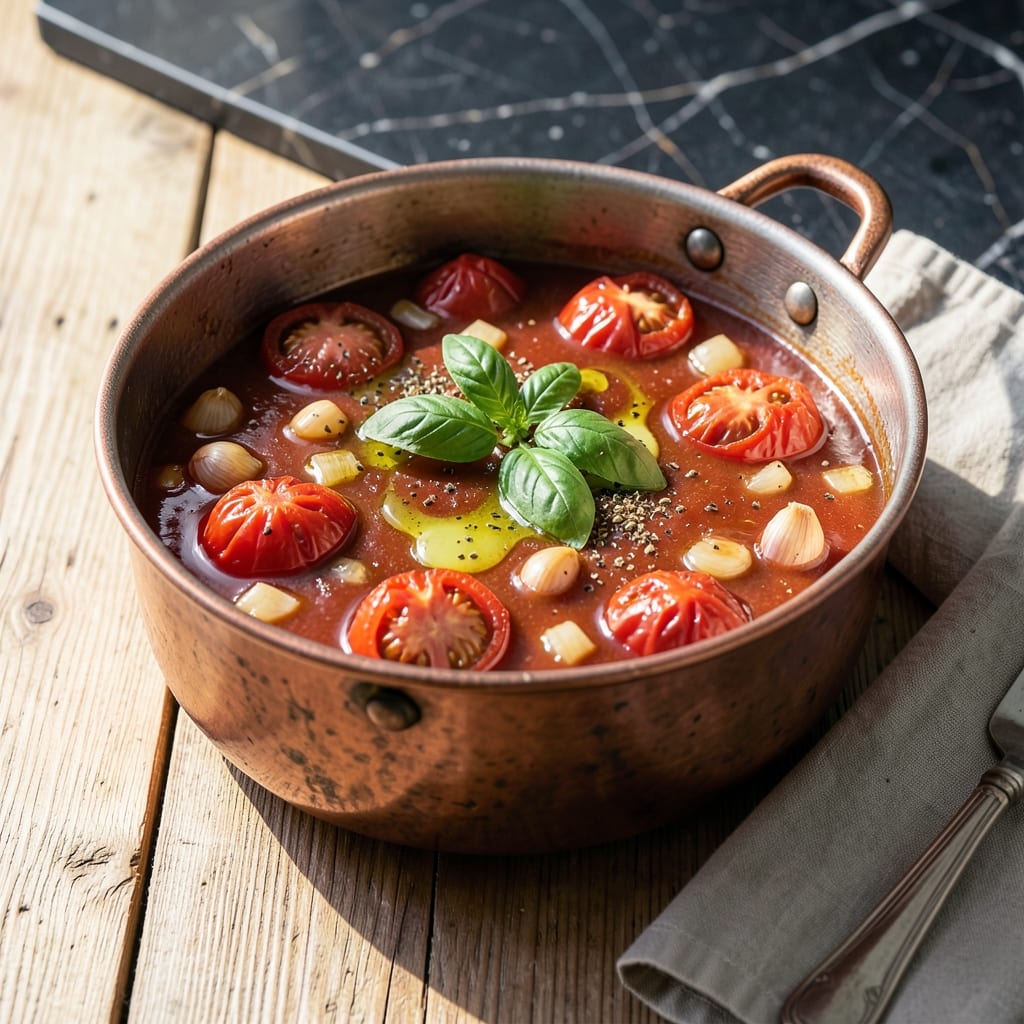
Italy’s culinary soul lives in its regional dishes, each telling a story of tradition and local pride. This recipe captures that authentic spirit with techniques passed down through generations.
Simple ingredients transform into bold, layered flavors that define Italian cooking. Every step honors the original methods, ensuring results that taste like a nonna’s kitchen.
The dish balances rustic charm with refined taste, proving that true Italian food doesn’t need complexity—just respect for the process.
What emerges is a plate that feels like a journey through Italy’s diverse landscapes, one bite at a time.
Ingredients for Recipe for Italy
Authentic Italian flavors start with these traditional ingredients—simple yet transformative in every dish.
| Ingredient | Amount | Notes |
|---|---|---|
| San Marzano Tomatoes 🍅 | 28 oz | Canned, whole peeled preferred |
| Extra-Virgin Olive Oil 🫒 | ½ cup | High-quality, fruity variety |
| Yellow Onion 🧅 | 1 whole | Medium-sized, finely diced |
| Garlic Cloves 🧄 | 4 cloves | Fresh, minced finely |
| Fresh Basil Leaves 🌿 | ½ cup | Packed, stems removed |
| Dried Oregano 🍃 | 2 tsp | Mediterranean variety preferred |
| Red Pepper Flakes 🌶️ | ½ tsp | Adjust to heat preference |
| Kosher Salt 🧂 | 1 ½ tsp | Diamond Crystal preferred |
| Freshly Ground Black Pepper 🌶️ | 1 tsp | Coarse grind for texture |
| Pecorino Romano Cheese 🧀 | ½ cup | Freshly grated from wedge |
| Dry White Wine 🍷 | ½ cup | Pinot Grigio or similar |
| Spaghetti 🍝 | 12 oz | Bronze-die extruded preferred |
| Fresh Parsley 🌿 | ¼ cup | Flat-leaf, chopped for garnish |
[recipe_ingredient_scaler]
The tomatoes are non-negotiable. San Marzano cans from Eataly or Italian markets deliver the sweet, low-acid base that defines authentic flavor. Look for the DOP certification on the label (the gold standard). The olive oil should be extra-virgin—California Olive Ranch or Colavita are reliable. For the cheese, Pecorino Romano from a wedge you grate yourself beats pre-shredded every time.
No white wine? Substitute chicken stock with a splash of lemon juice. Fresh basil not available? Dried at one-third the amount works, though the flavor profile shifts slightly. For the pasta, De Cecco or Barilla bronze-die spaghetti holds sauce beautifully. The oregano can be fresh if you’ve got it—use double the amount. Skip the pre-minced garlic in jars; fresh is essential here.
This dish actually improves overnight as flavors meld. Store leftovers in an airtight container for up to 4 days in the fridge or freeze for 3 months. Reheat gently with a splash of water to revive the sauce. Always cook pasta al dente—it finishes perfectly in the sauce.
Why You’ll Love This Recipe
- One Pot Wonder: I toss in the San Marzano tomatoes, a glug of olive oil, and let the onion and garlic work their magic—minimal cleanup, maximum flavor.
- Sunshine in a Bite: The sweet tomatoes and fresh basil taste like summer in Naples. Honestly, it’s the closest I’ve gotten to nonna’s kitchen.
- Weeknight Hero: Between us, this works as a pasta sauce, soup base, or even a bruschetta topping. (Yes, even on a Tuesday night)
- Budget’s Best Friend: A can of tomatoes, a few pantry staples, and I’ve got a meal that stretches for days—my wallet thanks me.
Step-by-Step Instructions for Recipe For Italy
Authentic technique delivers the true taste of Italy with every carefully executed step.
Step 1: Sauté Aromatics in High-Quality Olive Oil
Heat the 0.5 cup Extra-Virgin Olive Oil in a large, heavy pot over medium-low heat. Add the 1 whole Yellow Onion (finely diced) and cook for 8-10 minutes, stirring occasionally, until translucent and sweet-smelling.
Add the 4 cloves Garlic Cloves (minced finely) and cook for 1-2 minutes until fragrant but not browned. Stir in the 0.5 tsp Red Pepper Flakes to bloom in the warm oil, which mellows the heat and infuses the base with subtle spice.
Step 2: Build the Sauce with San Marzano Tomatoes
Pour in the 28 oz San Marzano Tomatoes, crushing them by hand as they go into the pot. This breaks them into rustic chunks while preserving texture. Add the 2 tsp Dried Oregano, 1.5 tsp Kosher Salt, and 1 tsp Freshly Ground Black Pepper.
Increase the heat to medium and bring the mixture to a gentle simmer. Cook uncovered for 20-25 minutes, stirring occasionally, until the sauce thickens slightly and the tomatoes break down into a rich, cohesive base. The sauce should look vibrant and slightly reduced.
Step 3: Finish with Wine and Fresh Herbs
Pour in the 0.5 cup Dry White Wine and stir well. Simmer for 5-7 minutes until the alcohol smell dissipates and the sauce deepens in flavor. The wine adds acidity and complexity, balancing the sweetness of the tomatoes.
Remove the pot from heat and stir in the 0.5 cup Fresh Basil Leaves (packed, stems removed). The residual heat will wilt the basil, releasing its aromatic oils into the sauce. Tear the leaves by hand for better texture and even distribution.
Step 4: Cook Spaghetti and Combine
Boil the 12 oz Spaghetti in salted water until 1 minute shy of al dente. Reserve 1 cup of pasta water before draining. Transfer the pasta directly to the pot with the sauce, adding ¼ cup of reserved pasta water to help the sauce cling to the strands.
Toss everything together over low heat for 1-2 minutes until the spaghetti is perfectly coated and the sauce slightly thickens. If needed, add more pasta water 1 tablespoon at a time to reach the ideal consistency.
Step 5: Garnish and Serve Immediately
Sprinkle the 0.5 cup Pecorino Romano Cheese (freshly grated from wedge) over the pasta and toss gently to combine. The cheese melts into the sauce, adding a salty, nutty depth that defines authentic Italian flavor.
Garnish with the 0.25 cup Fresh Parsley (flat-leaf, chopped) for a fresh finish. Serve immediately in warm bowls, ensuring each portion has an even distribution of sauce and pasta. The dish should be vibrant, aromatic, and richly layered with every bite.
Pro Tips For Making Recipe For Italy
- Simmer Slowly: Let the sauce reduce on low heat for at least 30 minutes—I learned this the hard way after my first batch tasted watery and raw.
- Hand-Crush Tomatoes: Skip the blender and crush those San Marzanos by hand for a chunkier, more rustic texture. It actually changes the outcome.
- Bloom the Garlic: Cook the garlic in olive oil until just golden, not brown, or it’ll turn bitter. About 30 seconds on medium-low heat does the trick.
- Add Basil Late: Stir in fresh basil leaves only in the last 5 minutes of cooking—adding them earlier makes the sauce taste dull and muddy.
Serving Suggestions for This Dish
Family-Style Presentation
Serve this directly from the pot at the center of the table—family-style is how nonnas do it. I use a wide, shallow bowl from my Portland farmers market finds. The communal feel makes every meal special, just like my Cincinnati upbringing. 💛
Warm Plates Matter
Warm your serving bowls in a 200°F oven for 10 minutes before plating. Cold dishes kill the vibrancy of the sauce. I learned this trick from Tom—he’s a stickler for proper plate temperature.
Cheese Garnish Tip
Pass extra Pecorino Romano at the table for guests to add more. Use a microplane for ultra-fine, melt-in-your-mouth texture. I keep a wedge in the fridge wrapped in parchment paper for freshness.
Herb Finishing Touch
Sprinkle Fresh Basil Leaves just before serving—they should look vibrant, not wilted. Tear them by hand instead of chopping. A drizzle of high-quality Extra-Virgin Olive Oil adds a final layer of richness.
Accompaniment Ideas
A simple green salad with lemon dressing complements the richness perfectly. I love New Seasons Market’s baby arugula for its peppery bite. Add crusty bread for soaking up every last drop of sauce. ✨
Wine Service
Serve the same Pinot Grigio you cooked with, chilled to 45-50°F. The acidity cuts through the richness beautifully. I keep a bottle in the fridge for exactly these moments.
Nutrition Facts
Frequently Asked Questions
Can I use a different type of tomato?
San Marzano are ideal, but Roma tomatoes work in a pinch. Avoid regular canned tomatoes as they’re often too watery. Fresh tomatoes can be used, but they’ll need 20 minutes extra cooking to reduce properly.
What if I don’t have white wine?
Substitute with chicken stock mixed with 1 tablespoon lemon juice. The acidity mimics wine’s role in balancing the sauce. Skip vinegar—it’s too harsh for this dish.
How do I prevent the sauce from being too thin?
Simmer uncovered for the full 25 minutes to evaporate excess liquid. If still thin, cook longer or add 1 teaspoon tomato paste to thicken naturally.

Trained in classic French technique but raised on slow-cooked ribs and spicy rubs, she blends culinary skill with smoke and soul.
- Stewed Beef Brisket Recipe: Deep-Rich Flavor After 8 Hours of Slow Simmering - October 15, 2026
- Beef Brisket Rolls Recipe: Flaky Layers and Smoky Sweet Filling - October 15, 2026
- Masterbuilt Smoker Beef Brisket Recipe: Bark-To-Meat Ratio Hack for Unmatched Flavor - October 15, 2026