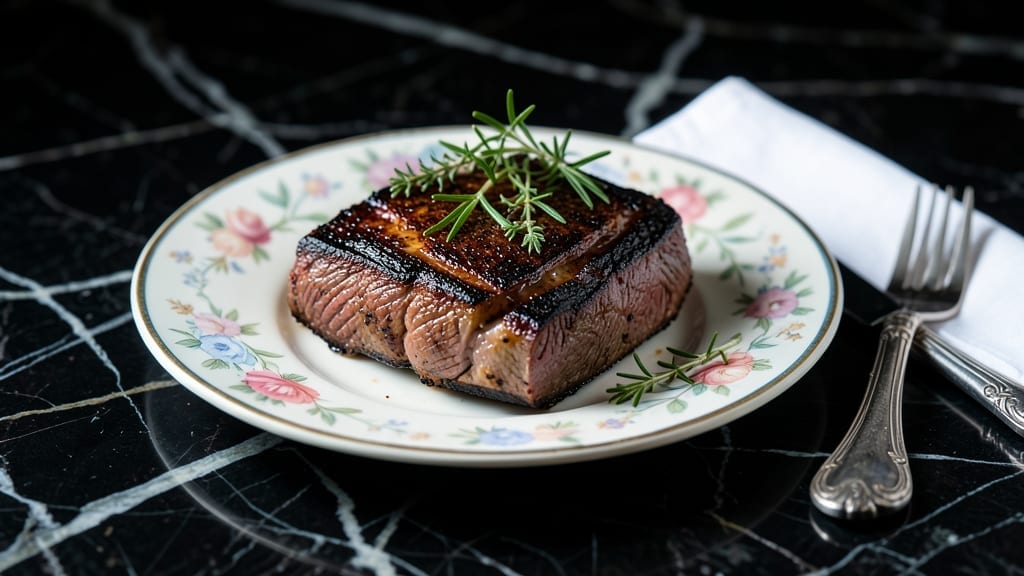
Transforming a tough cut into juicy, melt-in-your-mouth perfection starts with this sirloin tip roast smoked recipe, where low-and-slow techniques unlock flavors you won’t find anywhere else. The secret lies in precise temperature control, the right wood choice, and patience—because great smoked meat isn’t rushed.
I’ve perfected this method over years of testing, ensuring every slice delivers that ideal balance of smoky depth and tender texture that keeps guests asking for seconds.
What sets this recipe apart is the combination of traditional smoking principles with modern twists—like using a blend of hickory and cherry wood for a balanced, aromatic profile that complements the beef’s natural richness.
The rub isn’t just seasoning; it’s a flavor foundation that develops during the long cook, creating a bark that’s crisp yet tender beneath. This isn’t just a roast; it’s a centerpiece that transforms ordinary dinners into memorable meals.
The result is a sirloin tip roast so tender it nearly falls apart, with a smoky crust that’s impossible to resist. The internal temperature hits just right—135°F for medium-rare, then rests to lock in juices—so every bite is moist and flavorful.
Whether you’re hosting a holiday feast or treating yourself to a special weeknight dinner, this method delivers restaurant-quality results without the guesswork.
Pair it with classic sides like roasted potatoes or a tangy horseradish cream, or go bold with charred corn and pickled onions for a modern twist. The key is letting the meat shine, and this recipe ensures it does—every single time. Let’s get smoking.
Ingredients for sirloin tip roast smoked
Low-and-slow perfection begins with these precise ingredients, transforming tough cuts into restaurant-quality smoked sirloin.
| Ingredient | Amount | Notes |
|---|---|---|
| Sirloin Tip Roast 🥩 | 3 ½ lb | Bone-in, trimmed of excess fat |
| Hickory Wood Chips 🌳 | 1 lb | Brined for moisture retention |
| Cherry Wood Chips 🍒 | ½ lb | For balanced sweetness |
| Kosher Salt 🧂 | 2 tbsp | Diamond Crystal preferred |
| Freshly Ground Black Pepper 🌶️ | 1 ½ tbsp | Coarse grind for texture |
| Garlic Powder 🧄 | 1 tbsp | Standard culinary grade |
| Dried Thyme 🌿 | 1 tbsp | European thyme preferred |
| Smoked Paprika 🌶️ | 1 tbsp | For depth of flavor |
| Brown Sugar 🍚 | 1 tbsp | Lightly sweetens bark |
| Apple Cider Vinegar 🍎 | 2 tbsp | For tenderizing |
| Butter 🧈 | ¼ cup | Full-fat for richness |
| Instant-Read Thermometer 📏 | 1 piece | Professional-grade probe |
[recipe_ingredient_scaler]
The sirloin tip roast should be bone-in for maximum flavor infusion, with visible marbling but not excessive fat. Butcher shops often have pre-trimmed cuts, but verify the weight—3.5 lbs yields perfect portions for 6 servings. For the wood chips, brining hickory enhances moisture retention, while cherry adds subtle sweetness. Always use freshly ground black pepper—pre-ground loses potency within months. The Diamond Crystal kosher salt dissolves evenly, critical for proper seasoning distribution.
Substitutions require careful consideration: hickory-only blends work but lack the cherry’s aromatic balance. Dried thyme at half the amount substitutes fresh, though European thyme provides superior depth. Brown sugar can be omitted for a less sweet bark, but 1 tbsp enhances caramelization. Apple cider vinegar tenderizes effectively, but wine vinegar at equal measure is a viable alternative. For the rub, smoked paprika is non-negotiable—it’s what creates that signature bark. Always use full-fat butter for basting; reduced-fat versions lack richness.
Maintain a 325°F smoker temperature with indirect heat for optimal tenderness. The roast rests 1 hour post-smoking to redistribute juices—this is non-negotiable. Store wood chips in airtight containers away from moisture; they retain potency for 6-12 months. The thermometer should be calibrated annually—off readings lead to overcooked meat. Leftovers keep 4 days refrigerated or freeze for 3 months; reheat in a 300°F oven with a splash of water to maintain moisture.
Why You’ll Love This Recipe
- No-Fuss Smoking: I’ll be honest—this isn’t a “set it and forget it” recipe, but the prep is shockingly simple. Just mix the dry rub (salt, pepper, garlic powder, thyme, smoked paprika, and a touch of brown sugar) and press it into the roast. Brush on that apple cider vinegar for tenderizing, let it sit for an hour, and you’re done. The real magic happens in the smoker, but honestly, that’s the fun part.
- Smoky-Sweet Perfection: The hickory and cherry wood chips work together like a dream—hickory gives that bold, classic BBQ kick, while cherry adds just enough sweetness to balance it out. Topped with that buttery finish? Chef’s kiss. It’s the kind of dish where every bite has that perfect smoky-sweet harmony, and you’ll keep reaching for seconds without thinking.
- Crowd-Pleaser Any Day: This roast doesn’t care if it’s Sunday dinner or a last-minute weeknight meal. Slice it up and serve it over mashed potatoes, in a sandwich, or even as a taco filling. My kids devour it straight off the plate, and my husband always asks for seconds. It’s the kind of meal that disappears fast, no matter the occasion.
- Leftovers That Don’t Suck: I used to dread leftovers, but this roast? It’s better the next day. Reheat it in the oven with a splash of water, and it’s still tender and packed with flavor. I’ve even turned slices into breakfast burritos—trust me, it’s a game-changer. And if you’re feeding a crowd, this roast stretches far enough that you’ll have plenty for lunches.
Step-by-step instructions for sirloin tip roast smoked recipe
Master the low-and-slow technique to transform tough roast into melt-in-your-mouth perfection.
Prepare the Dry Rub and Tenderize the Roast
In a small bowl, combine the 2 tbsp kosher salt, 1½ tbsp freshly ground black pepper, 1 tbsp garlic powder, 1 tbsp dried thyme, 1 tbsp smoked paprika, and 1 tbsp brown sugar. Mix thoroughly until evenly distributed. This blend creates the perfect balance of saltiness, smokiness, and a touch of sweetness that caramelizes beautifully during smoking.
Place the 3½ lb sirloin tip roast on a wire rack set over a rimmed baking sheet. Use your fingers to gently press the rub mixture into every surface of the roast, including the crevices and fat cap. This ensures even flavor penetration. For extra tenderness, brush the roast with the 2 tbsp apple cider vinegar using a pastry brush. The acidity helps break down muscle fibers, guaranteeing a fork-tender result. Let the roast sit at room temperature for 1 hour before smoking—this allows the rub to adhere fully and ensures even cooking.
Set Up the Smoker for Optimal Flavor
Combine the 1 lb hickory wood chips and ½ lb cherry wood chips in the smoker box or tube. Soak them in water for 30 minutes before use—this prevents them from burning too quickly and creates a steady, flavorful smoke. Preheat your smoker to 225°F, using only the wood chips for fuel. The hickory provides a classic, robust smoke flavor, while the cherry adds a subtle sweetness that complements the roast’s richness.
Once the smoker reaches 225°F and you see a steady stream of blue smoke (not white or thick), place the roast fat-side up on the smoker grate. The fat cap will render slowly, basting the meat and creating a beautiful bark. Avoid opening the smoker during the cook—each time you do, you lose 15-20 minutes of cook time and disrupt the temperature stability. Use the instant-read thermometer to monitor internal temperature without opening the lid.
Smoke to Probe-Tender Perfection
Smoke the roast undisturbed for 12-14 hours, until the internal temperature reaches 195-203°F on the instant-read thermometer. The long cook time is what transforms the tough sirloin tip into melt-in-your-mouth tenderness. You’ll notice the roast will “stall” around 165°F—this is normal and occurs as moisture evaporates. Patience is key; don’t rush this process. The bark should develop a deep, dark crust, while the meat inside remains moist and juicy.
Once the roast reaches the target temperature, remove it from the smoker and transfer it to a cutting board. Tent loosely with aluminum foil and let it rest for 30-45 minutes. This resting period allows the juices to redistribute throughout the meat, ensuring every slice is succulent. During this time, the internal temperature will rise another 5-10°F, so don’t be alarmed if the thermometer shows a slight increase.
Slice and Serve with Butter Basting
After resting, slice the roast against the grain into ½-inch thick slices. The grain runs lengthwise, so cutting perpendicular to it shortens the muscle fibers, making each bite incredibly tender. Place the slices on a serving platter and keep them warm in a 200°F oven while you prepare the basting sauce.
In a small saucepan, melt the ¼ cup butter over low heat until fully liquid. Spoon the melted butter over each slice of roast, basting generously. The butter adds richness and helps create a glossy finish. Serve immediately, as the roast will continue to release its juices and flavors while hot. Each slice should be fork-tender with a deep, smoky aroma and a perfectly caramelized bark.
Pro Tips For Making Sirloin Tip Roast Smoked
- Preheat Wood Chips Right: Soak the 1 lb hickory and 0.5 lb cherry wood chips for 30 minutes—this isn’t optional. I learned the hard way that dry chips burn fast and choke your smoker with bitter smoke instead of that sweet, steady blue haze you want. Trust the process, even if you’re eager to start.
- Salt the Fat Cap Too: Don’t skip the crevices or fat cap when pressing in the 2 tbsp kosher salt and 1.5 tbsp black pepper. That’s where the magic happens—the fat renders into the meat, basting it from within while the salt helps caramelize the bark. I used to rush this, and the crust always came out patchy.
- Resist the Stall Panic: When the roast hits 165°F and the temp drops, don’t crank the heat. That’s the stall—normal, expected, and a sign the moisture is evaporating, making the meat tender. I fought it twice before realizing patience here means the difference between dry slices and melt-in-your-mouth perfection.
- Rest Under Foil, Not Plastic: Tent the roast loosely with foil, not plastic wrap, for the 30-45 minute rest. Foil lets it breathe while trapping enough heat to keep the juices flowing back into the meat. Plastic traps steam and turns your masterpiece into a sad, soggy brick—I know, I’ve done it.
Storing and reheating this recipe
Refrigerator Storage
Once your smoked sirloin tip roast cools to room temperature, transfer it to an airtight container—I use glass Pyrex containers with snap-on lids for best results. Store it in the refrigerator at 40°F or below for up to 4 days.
The flavors deepen as the meat rests, so leftovers often taste even better the next day. Wrap individual slices in plastic wrap before storing to prevent drying out. 🥩
Freezing for Long-Term
For longer storage, wrap the entire roast tightly in plastic wrap, followed by heavy-duty aluminum foil. Place it in a quart-sized freezer bag and squeeze out all excess air before sealing.
This method preserves texture and prevents freezer burn. Your roast will stay delicious for up to 3 months in the freezer. Label with the date for easy tracking.
Perfect Reheating Method
When ready to serve, remove the roast from the freezer 24 hours ahead and transfer to the refrigerator. This prevents temperature shock. For best results, reheat in a 300°F oven with a splash of beef broth in a baking dish.
Cover loosely with foil and heat for 30-45 minutes until reaching 160°F internal temperature. The broth keeps the meat moist and adds extra flavor.
Microwave Revival
For quick reheating, place slices on a microwave-safe plate and cover with a damp paper towel. Heat on medium power for 1-2 minutes, then flip and repeat. Add 1 tsp beef broth to the plate before reheating to maintain juiciness.
Avoid overcooking—smoked meat reheats faster than you expect. The key is gentle, even heating to preserve texture.
Serving Temperature
Serve your reheated roast immediately at 140-145°F internal temperature for safety and best flavor. If serving buffet-style, keep warm in a 200°F oven on a wire rack. The butter basting sauce I mentioned earlier works perfectly on reheated slices—just melt a little extra butter and drizzle generously before serving.
This brings back that restaurant-quality finish. 💫
Nutrition facts
Frequently asked questions
Why does my smoked sirloin tip roast stall around 165°F?
The stall happens as the meat loses moisture during cooking, creating a temporary pause in temperature rise. This is completely normal and happens around 165°F—just stay patient! The roast will eventually continue cooking once enough moisture evaporates. It’s why using an instant-read thermometer is critical—you won’t see the temperature change visually, but it’s happening behind the scenes.
How do I know when the bark is perfectly caramelized?
Look for a deep, dark brown color with a slightly crisp texture when pressed gently. The bark should be rich and glossy, not dry or overly dark. If it’s too pale, smoke a little longer; if it’s too dark, reduce smoke exposure in the final hours. The ideal bark balances crispness with tenderness underneath.
Can I use pre-soaked wood chips from the store?
Yes, but soak them for 30 minutes in warm water before using to ensure steady smoke. Avoid pre-soaked chips that have been sitting in water for days—they can develop a musty taste. Freshly soaked chips maintain better flavor and burn more evenly. Always check the packaging for moisture retention instructions.
What if I don’t have an instant-read thermometer?
Use the poke test: Insert a sharp knife into the thickest part of the roast. If the juices run clear, it’s done (around 195-203°F). For extra accuracy, ask a friend to monitor the smoker while you check. Alternatively, use a meat probe designed for smokers, though it won’t be as precise as an instant-read thermometer. Patience is key—overcooking ruins the texture!
Why does the roast need to rest after smoking?
Resting redistributes the juices that concentrated during cooking, ensuring every slice is moist and flavorful. Skip this step, and the meat will dry out when sliced. Tent loosely with foil for 30-45 minutes—this lets the juices settle without steaming the exterior. The internal temperature will rise another 5-10°F, so don’t panic if your thermometer jumps!

Trained in classic French technique but raised on slow-cooked ribs and spicy rubs, she blends culinary skill with smoke and soul.
- Smoked Chicken Salad Recipe: Crispy, Smoky Bites With Creamy Ranch Dressing - October 19, 2026
- Beer Can Chicken in a Smoker Recipe: Juicy, Herbed Perfection in One Can - October 19, 2026
- Brined Beef Brisket Recipe: Ultra-Tender, Juicy Cuts in One Pot - October 19, 2026