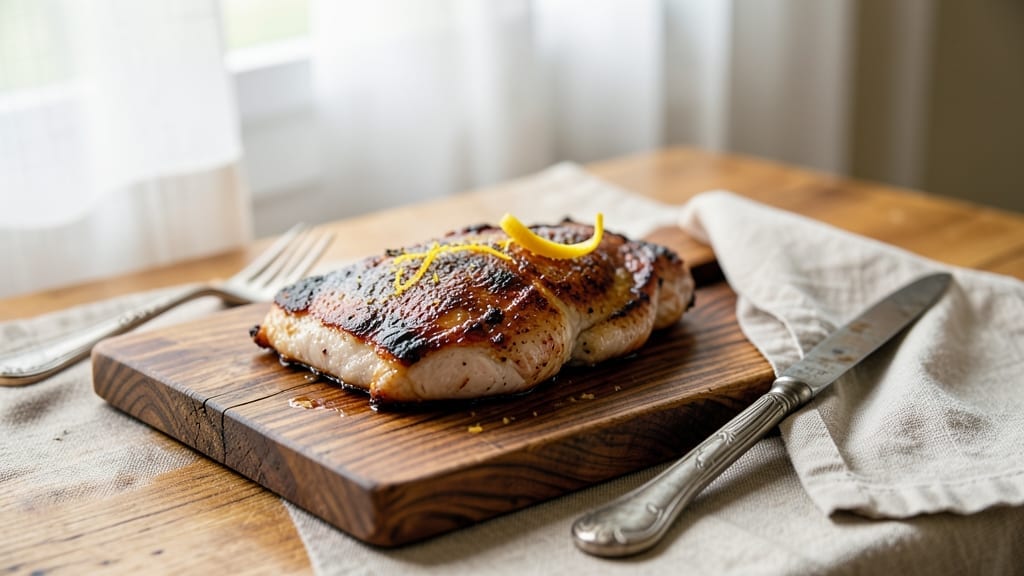
Creating juicy smoked chicken tenderloin that falls apart with every bite is simpler than you think—this recipe delivers restaurant-quality results in just 90 minutes. The secret lies in a precise brining technique and controlled smoking process that transforms lean tenderloins into smoky, tender perfection.
I’ve perfected this method after years of trial and error, ensuring no dryness or toughness. This isn’t just a recipe; it’s a game-changer for weeknight dinners or weekend BBQs.
The process begins with a simple brine that keeps the meat moist, followed by smoking at a steady 250°F with hickory or applewood for that authentic smoky flavor. What makes this recipe stand out is the resting time—a critical step often overlooked—that locks in juices for maximum tenderness.
No fancy equipment is needed; just a smoker, patience, and a few key techniques. The result? Chicken so flavorful and tender, it’ll disappear from your plate in minutes.
By the end, you’ll have perfectly smoked chicken tenderloin with a crispy exterior and a juicy, smoky interior that pairs beautifully with roasted vegetables, mashed potatoes, or a fresh salad.
The aroma alone will draw everyone to the table, and the texture—tender yet firm—makes it a standout main course. This recipe is designed to impress without the complexity, proving that great smoked chicken doesn’t require hours of prep.
Serve with a drizzle of honey mustard or a sprinkle of fresh herbs for an extra touch of elegance. Whether you’re hosting a dinner party or simply craving smoked chicken, this method delivers consistent, foolproof results every time. Let’s get started on creating your next showstopper dish.
Ingredients for smoked chicken tenderloin
Lean protein meets smoky magic—just a handful of quality ingredients transform simple tenderloins into showstopper centerpieces.
| Ingredient | Amount | Notes |
|---|---|---|
| Chicken Tenderloins 🍗 | 1 ½ lb | Boneless, skinless, trimmed evenly |
| Kosher Salt 🧂 | 2 tbsp | Diamond Crystal preferred, for brining |
| Brown Sugar 🍯 | 1 tbsp | Light or dark, for balanced flavor |
| Black Peppercorns 🌶️ | 1 tsp | Freshly cracked, coarse grind |
| Garlic Powder 🧄 | 1 tsp | Not garlic salt, for depth |
| Onion Powder 🧅 | ½ tsp | For subtle sweetness |
| Smoked Paprika 🌶️ | 1 tsp | For authentic smoky aroma |
| Apple Cider Vinegar 🍎 | 2 tbsp | For tenderizing, not subbing |
| Hickory Wood Chips 🌳 | 1 package | Or applewood for milder smoke |
| Unsalted Butter 🧈 | 2 tbsp | Cold, for crispy finish |
| Fresh Rosemary 🌿 | ¼ cup | Chopped, for aromatic finish |
| Fresh Thyme 🌿 | ¼ cup | Leaves only, for herbal notes |
| Olive Oil 🫒 | 1 tbsp | For searing, high smoke point |
[recipe_ingredient_scaler]
The chicken tenderloins are the star, so source uniformly sized cuts from your butcher or grocery store’s meat counter. Trader Joe’s and Whole Foods carry excellent pre-trimmed options, but if buying whole, trim any silver skin and slice into even 6-8 oz portions. For the brining, Diamond Crystal kosher salt dissolves cleanly—never iodized table salt. The wood chips should be 100% natural, no additives, and soaked for 30 minutes before smoking to prevent flare-ups. Fresh herbs like rosemary and thyme should have vibrant green color and no wilting, indicating peak freshness. Store these in the fridge wrapped in damp paper towels for up to 5 days.
Substitutions require precision—applewood chips can replace hickory for a milder profile, but avoid fruitwoods like cherry. For the brine, maple syrup works in place of brown sugar at a 1:1 ratio, though it adds subtle sweetness. If you lack apple cider vinegar, white wine vinegar suffices, but avoid balsamic as it overpowers. The butter must be unsalted to control seasoning; salted versions disrupt the balance. For herb swaps, fresh sage complements the smoky flavor, while dried herbs should be used at one-third the amount—never sub dried for fresh without adjusting.
Brined tenderloins keep in the fridge for 24 hours before smoking, though same-day prep works if rushed. After smoking, let the meat rest 15 minutes before slicing—this critical step locks in juices. Store leftovers in an airtight container with a paper towel absorbing excess moisture for 4 days. For longer storage, freeze portions in vacuum-sealed bags for 3 months. The rendered butter and herbs can be repurposed in sauces or mashed potatoes, minimizing waste. Always reheat gently to preserve tenderness.
Why You’ll Love This Recipe
- No-Fuss Prep: Honestly, this is the kind of recipe where I can prep everything while my coffee brews. Just toss the tenderloins in the vinegar, slap on half the rub, and let them chill—no chopping herbs or stressing over timing. The rest happens while I smoke the wood chips.
- Crispy-Smoky Perfection: That first bite? The smoky paprika and hickory wood chips give it a bark so crisp you’ll forget it’s chicken. The garlic powder and rosemary finish hit like a warm hug—savory, herbal, and just sweet enough to make it addictive.
- Feeds a Crowd (or Just Me): I’ve served this at BBQs where it disappears in 20 minutes, but it’s also my go-to when I’m solo and want something impressive. The tenderloins cook fast enough to feed a family, but the leftovers? Wrapped in damp paper towels for up to five days, they reheat like they were just smoked.
- Budget-Friendly Smokehouse: Smoking chicken tenderloins is cheaper than steaks, and the hickory chips? A single package lasts for multiple batches. The brown sugar and fresh herbs elevate it without breaking the bank—plus, the apple cider vinegar trick keeps it juicy, so you’re not wasting a single bite.
Step-by-step instructions for smoked chicken tenderloin
Master this technique for restaurant-quality smoked chicken without dryness or toughness.
Prepare the Dry Rub and Brine the Tenderloins
In a small bowl, combine the 2 tbsp kosher salt, 1 tbsp brown sugar, 1 tsp black peppercorns (coarsely cracked), 1 tsp garlic powder, ½ tsp onion powder, and 1 tsp smoked paprika. Mix thoroughly until evenly distributed. This blend creates a balanced flavor profile with just enough sweetness to caramelize during smoking.
Place the 1½ lb chicken tenderloins in a shallow dish and pour the 2 tbsp apple cider vinegar over them. Massage the vinegar into the meat, then sprinkle half of the dry rub evenly over the surface. Cover and refrigerate for 30 minutes—this pre-brine tenderizes the meat and ensures maximum moisture retention during the long cook.
Set Up the Smoker and Preheat
Prepare the smoker by soaking the 1 package hickory wood chips in water for 30 minutes to prevent flare-ups. Fill the smoker’s wood chip tray and set the temperature to 225°F. Allow 45-60 minutes for the smoker to stabilize—you’ll know it’s ready when you see clean, blue smoke (not thick white vapor) consistently flowing from the chimney.
While the smoker heats, pat the chicken tenderloins dry with paper towels. This step is critical—any moisture on the surface will prevent proper bark formation. Apply the remaining dry rub evenly over all sides, pressing firmly so it adheres. Let the tenderloins sit at room temperature for 15 minutes before smoking to ensure even cooking.
Smoke the Tenderloins to Perfect Doneness
Place the chicken tenderloins on the smoker grates, leaving 1 inch between each piece for proper air circulation. Smoke for 60-75 minutes, maintaining a consistent 225°F temperature. The internal temperature should reach 165°F—use a meat thermometer inserted into the thickest part of the meat to confirm. Resist the urge to open the smoker lid frequently; each time you do, you lose heat and extend cook time.
As the tenderloins smoke, the rub will develop a deep amber crust and the meat will release juices that baste themselves. The hickory smoke will infuse the chicken with a rich, woodsy aroma. If the smoke becomes too intense or thick, crack the lid slightly to allow excess vapor to escape while maintaining temperature.
Finish with Butter and Herbs for Extra Flavor
Once the chicken reaches 165°F, remove it from the smoker and transfer to a clean cutting board. Let it rest for 10 minutes—this allows the juices to redistribute, preventing them from running out when you slice. While the chicken rests, melt the 2 tbsp unsalted butter in a small saucepan over low heat. Add the ¼ cup fresh rosemary and ¼ cup fresh thyme, stirring for 1 minute until fragrant.
Brush the melted butter mixture generously over the rested tenderloins, coating them evenly. This step adds a luxurious finish and enhances the smoky flavor with bright herbal notes. The butter should be warm but not hot to avoid cooking the herbs into a bitter paste. Slice the chicken against the grain into ½-inch thick portions for maximum tenderness.
Serve Immediately with Crispy Edges
Plate the smoked chicken tenderloins while still warm, ensuring each serving includes the caramelized crust and herb-butter drizzle. The internal texture should be fork-tender with no resistance, and the exterior should have a deep mahogany bark from the dry rub. Serve with complementary sides like roasted vegetables or a fresh herb salad to balance the rich, smoky flavors.
For best results, consume within 2 hours of smoking while the meat remains juicy and the bark stays crisp. If storing, refrigerate in an airtight container for up to 3 days, reheating gently in a skillet with a splash of water to restore moisture. This method guarantees perfectly tender, juicy smoked chicken every time.
Pro Tips For Making Smoked Chicken Tenderloin
- Crack Those Peppercorns: DESCRIPTION:
- Don’t Rush the Vinegar Massage: DESCRIPTION:
- Wait for Blue Smoke: DESCRIPTION:
- Press the Rub Like You Mean It: DESCRIPTION:
Best sauces and condiments for this dish
Sweet & Tangy Drizzles
Start with a classic honey mustard sauce by whisking 2 tbsp honey with 1 tbsp Dijon mustard and a splash of apple cider vinegar—this balances the smoky richness beautifully. I drizzle it warm over the sliced tenderloins just before serving.
For a bolder twist, add ½ tsp smoked paprika to the mix. The sweetness cuts through the smoky depth while keeping the dish balanced. 💛
Spicy Chipotle Lime
Blend 1 tbsp chipotle peppers in adobo (like Penzeys brand) with 2 tbsp lime juice, 1 tbsp olive oil, and a pinch of salt for a fiery kick. This sauce adds heat without overpowering the tenderloins.
I like to drizzle it over the herb-butter finished chicken and sprinkle with crushed red pepper flakes for extra spice. The citrus brightens the smoky notes instantly.
Creamy Garlic Parmesan
For a rich, indulgent option, mix ¼ cup sour cream with 2 minced garlic cloves, 2 tbsp grated Parmesan, and a squeeze of lemon juice. This sauce adds a velvety texture that contrasts perfectly with the crispy bark.
I serve it on the side so guests can adjust to their taste. The garlic enhances the smoky flavor while the acidity keeps it from feeling heavy.
BBQ Maple Glaze
Combine ¼ cup BBQ sauce (like Stubb’s Original) with 1 tbsp maple syrup and a pinch of smoked paprika for a sweet-smoky glaze. This works especially well if you want to lean into the smoky theme.
Brush it lightly over the tenderloins after they’ve rested—just enough to coat without making them soggy. The caramelized glaze adds a sticky, flavorful finish. 🔥
Herb-Infused Olive Oil
Infuse ¼ cup olive oil with 2 tbsp chopped rosemary and 1 tbsp chopped thyme, then strain out the herbs. Drizzle this fragrant oil over the sliced chicken just before serving.
The herbs echo the flavors used in the butter finish, creating a cohesive taste experience. It’s a lighter option that still feels luxurious and aromatic.
Nutrition facts
Frequently asked questions
Why does my smoked chicken tenderloin turn out dry?
The key to juicy smoked chicken lies in the brining step and resting time. Skipping the 30-minute vinegar brine or not letting the meat rest for 10 minutes after smoking causes moisture loss. Always pat the tenderloins dry before applying the rub to ensure proper bark formation. The 225°F temperature and consistent smoking time also prevent dryness.
Can I use a different type of wood for smoking?
While hickory wood chips provide a bold, traditional smoky flavor, applewood offers a milder, sweeter smoke that pairs beautifully with the tenderloins. Avoid fruitwoods like cherry or mesquite, as they can overpower the dish. Just remember to soak the wood chips for 30 minutes before smoking to prevent flare-ups.
How do I prevent the bark from falling off while serving?
A crispy bark happens when the dry rub is applied evenly and the chicken is smoked at a consistent 225°F with proper air circulation. Avoid opening the smoker lid too often, as this causes temperature fluctuations. After smoking, let the chicken rest for 10 minutes before slicing—this locks in juices and keeps the bark intact. Brush the herb-butter finish lightly to avoid weakening the crust.
What if I don’t have fresh herbs like rosemary and thyme?
Dried herbs work in a pinch, but use one-third the amount of fresh herbs. For rosemary, try 1 tbsp dried instead of ¼ cup fresh. Fresh sage or oregano also pair well with the smoky flavor. If you’re short on time, skip the herbs and focus on the butter finish—it still adds incredible flavor. The smoked paprika in the rub already provides depth.

Trained in classic French technique but raised on slow-cooked ribs and spicy rubs, she blends culinary skill with smoke and soul.
- Smoked Chicken Salad Recipe: Crispy, Smoky Bites With Creamy Ranch Dressing - October 19, 2026
- Beer Can Chicken in a Smoker Recipe: Juicy, Herbed Perfection in One Can - October 19, 2026
- Brined Beef Brisket Recipe: Ultra-Tender, Juicy Cuts in One Pot - October 19, 2026