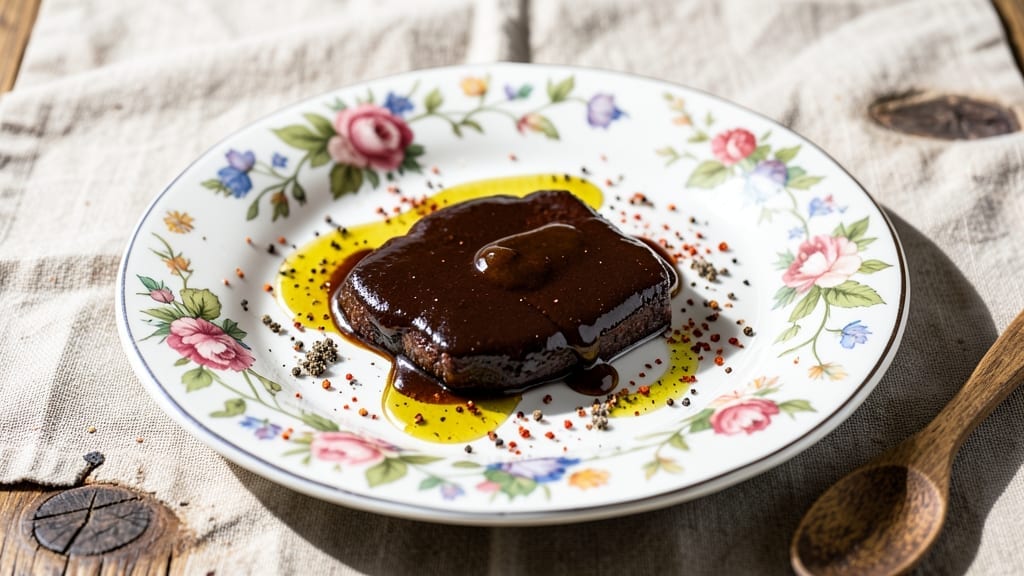
Creating a smoke barbecue sauce recipe that rivals what you’d find at a pitmaster’s table is easier than you think—and it starts with a few key ingredients and a slow simmer.
My version captures that deep, smoky aroma I remember from my family’s backyard cookouts, where hickory smoke filled the air and ribs fell off the bone. The secret lies in balancing sweetness, tang, and that unmistakable smokiness, all while keeping it versatile enough to elevate any grilled masterpiece.
This sauce builds on classic techniques I learned blending French precision with smoke-cooking tradition. We’ll start with a tomato base—rich and tangy—then layer in brown sugar for caramelized depth and a touch of vinegar to brighten the flavors.
Smoked paprika and a hint of liquid smoke add that signature smokiness without overpowering, while a long, gentle simmer develops the complex flavors. The result? A glaze that’s thick enough to coat ribs beautifully but still drizzles effortlessly over grilled meats.
What makes this sauce truly special is its ability to transform ordinary grilled dishes into something extraordinary. Whether you’re slathering it on ribs, brushing it over chicken, or drizzling it over pulled pork, the smoky-sweet flavor will have everyone asking for seconds. The best part?
It keeps well in the fridge for up to two weeks, so you can make a big batch and enjoy it throughout the summer grilling season. Let’s get started on creating this deep, smoky glaze that’ll make your grill the center of attention.
For those who love experimenting, this sauce also works as a marinade or finishing drizzle for vegetables and even pizza. The key is adjusting the thickness—simmer longer for a thicker glaze or add a splash of water if it gets too concentrated.
With just a few pantry staples and about 45 minutes of hands-off time, you’ll have a sauce that’s worth every minute of simmering. Here’s how to make it.
Ingredients for smoke barbecue sauce
Pantry staples meet smoky magic—just these ingredients transform grilled meats into showstoppers.
| Ingredient | Amount | Notes |
|---|---|---|
| Tomato Paste 🍅 | 1 cup | High-quality, no sugar added |
| Brown Sugar 🍚 | ½ cup | Light or dark, packed |
| Apple Cider Vinegar 🍎 | ¼ cup | For tangy brightness |
| Smoked Paprika 🌶️ | 2 tbsp | For authentic smoky depth |
| Liquid Smoke 🔥 | 1 tbsp | Pure hickory preferred |
| Garlic Cloves 🧄 | 4 cloves | Freshly minced |
| Onion Powder 🧅 | 1 tbsp | For subtle depth |
| Ground Black Pepper 🌶️ | ½ tsp | Freshly cracked |
| Kosher Salt 🧂 | 1 ½ tsp | Adjust to taste |
| Water 💧 | ½ cup | For thinning if needed |
[recipe_ingredient_scaler]
The tomato paste is your foundation—Mueller’s or Hunt’s no-sugar-added are my go-tos. Trader Joe’s carries great options too. Brown sugar adds caramelized depth, but don’t skip the apple cider vinegar—it brightens everything. Smoked paprika and liquid smoke are non-negotiable for that authentic pitmaster flavor. I always grab Penzeys brand smoked paprika when I can, but any quality brand works. Fresh garlic makes a difference here—roast it first for even deeper flavor, but raw minced works in a pinch.
No smoked paprika? Substitute with 1 tbsp regular paprika plus 1 tsp liquid smoke. Short on vinegar? Lemon juice works at the same amount. The sauce should be thick but drizzle-able—simmer longer if too thin, add water if too thick. Want extra smokiness? Add 1/2 tsp chipotle powder. For a sweeter version, boost brown sugar to 2/3 cup. This sauce doubles easily—just scale ingredients up. The key is patience: simmer uncovered for 30-45 minutes to develop those complex flavors.
Store in a clean glass jar in the fridge for up to 2 weeks. The flavor actually improves over time—perfect for making a big batch. Freeze portions for 6 months. I like to portion it into small jars so I can grab just what I need for a quick grill session. If it thickens too much in the fridge, just add a splash of water when reheating. Leftovers make killer pizza sauce too—just add a pinch of Italian seasoning.
Why You’ll Love This Recipe
- No-Pan Needed Magic: Honestly, this isn’t a “cleanup project”—just one saucepan, a spoon, and 30 minutes. The tomato paste and smoked paprika bloom together in seconds, and the garlic doesn’t even need peeling if you’re in a rush. My secret? I minced the garlic with a knife while watching TV, so no fancy tools required.
- Tangy-Sweet Smoky Bomb: That apple cider vinegar cuts through the sweetness of the brown sugar like a cool breeze on a summer day, while the liquid smoke and smoked paprika give it that real campfire flavor. Trust me, the first bite will have you licking the spoon—it’s the kind of sauce that makes ribs taste like they were smoked for hours, even if they were just grilled for 30.
- Weeknight Hero: I use this on everything from pulled pork tacos to glazed chicken thighs, and it’s the only sauce I keep stocked in my fridge. My kids even ask for it on their grilled cheese (yes, really) because it adds that little something extra. It’s the kind of versatile sauce that turns a simple meal into a crowd-pleaser without any fuss.
- Flavor That Lasts: This stuff gets better with time—seriously. I’ve had jars sitting in the fridge for weeks, and the flavors only deepen. Plus, freezing it in portions means I always have a backup for game day or last-minute BBQs. For less than $10 worth of ingredients, you’re getting a sauce that’s basically a flavor upgrade for any dish.
Step-by-step instructions for smoke barbecue sauce
Here’s how to create a rich, smoky glaze that transforms grilled meats into show-stopping masterpieces.
Bloom the Spices and Aromatics
In a medium saucepan over medium heat, combine the 1 cup tomato paste and 2 tbsp smoked paprika. Stir constantly for 2-3 minutes until the mixture darkens slightly and releases a deep, aromatic fragrance. This step develops the smoky foundation of your sauce.
Add the 4 minced garlic cloves, 1 tbsp onion powder, ½ tsp ground black pepper, and 1½ tsp kosher salt. Cook for another 1 minute until the garlic becomes fragrant but doesn’t brown. Here’s the thing—if the garlic starts to darken too quickly, reduce the heat slightly. You want flavor, not bitterness.
Simmer the Base with Sweet and Tangy Elements
Pour in the ¼ cup apple cider vinegar and ½ cup water, then stir to combine. Increase the heat to medium-high and bring the mixture to a gentle boil. Once boiling, reduce the heat to low and let it simmer uncovered for 10 minutes, stirring occasionally.
Add the ½ cup brown sugar and 1 tbsp liquid smoke, stirring until the sugar dissolves completely. The sauce should thicken slightly as it simmers, but don’t let it reduce too much—you’ll have time to adjust the consistency later. Watch for any sugar crystals forming at the edges; if they do, stir them back in gently.
Refine the Texture and Flavor
Continue simmering for another 5-7 minutes until the sauce reaches your desired thickness. It should coat the back of a spoon but still be pourable. If it’s too thick, add ½ cup water to loosen it. If it’s too thin, simmer uncovered for another 2-3 minutes to reduce.
Taste and adjust the seasoning. You might need a touch more kosher salt or apple cider vinegar for brightness. The sauce should balance sweet, smoky, and tangy flavors with a deep umami richness from the tomato paste. This is the moment that matters: the sauce should be vibrant, not one-dimensional.
Cool and Store for Maximum Flavor
Remove the saucepan from heat and let the sauce cool to room temperature. I know it’s tempting to use it immediately, but letting it sit for 30 minutes allows the flavors to meld completely. The sauce will thicken further as it cools, so if you plan to use it right away, you can thin it with a splash of water.
Transfer the finished sauce to a clean jar or airtight container. It will keep in the refrigerator for up to 2 weeks or in the freezer for 3 months. The flavors actually deepen over time, making it perfect for future grilling sessions. Don’t skip this step—proper storage preserves all that hard work you just put in.
Pro Tips For Making Smoke Barbecue Sauce
- STIR CONSTANTLY DURING BLOOM: The first 2-3 minutes with tomato paste and smoked paprika are where the magic happens—but only if you keep stirring. I used to walk away for “just a second,” and that’s when the paste would scorch and turn bitter. Treat this like a campfire: constant attention prevents burnt edges and ensures that smoky aroma fills your whole kitchen.
- MINCE GARLIC FINE (OR ELSE): Those 4 cloves of garlic need to disappear into tiny flecks, not chunks. I’ve learned the hard way—when you taste a big piece later, it’s like biting into a raw nail. Use the flat side of your knife to press down hard while mincing, or pulse them in a food processor for 2 seconds. The sauce should be smooth, not speckled.
- WATCH THE SUGAR CRYSTALS: When you add the brown sugar, stir vigorously until it’s fully dissolved. I’ve seen those stubborn sugar crystals cling to the saucepan edges, making the sauce grainy when it cools. If you spot any forming, grab a wooden spoon and scrape them back in—no one wants a glaze that feels like sandpaper.
- THIN WITH VINEGAR, NOT WATER: If the sauce thickens too much during the final simmer, resist the urge to dump in extra water. Instead, add a splash of the apple cider vinegar—it’ll cut through the sweetness and adjust the balance while thinning it naturally. You’ll save a step later when you’re tasting for seasoning.
Serving suggestions for this dish
Grilled Masterpieces
This sauce turns ordinary grilled meats into showstoppers—especially when brushed over ribs or pulled pork. I love applying it generously just before the final 5 minutes of cooking so the smoky flavors caramelize beautifully on the grill.
For chicken, I brush it on after grilling to avoid burning the sugar. The sauce’s thickness makes it perfect for soaking up into tender meat, while its tangy-sweet balance keeps every bite exciting. 🔥
Unexpected Pairings
Don’t limit this sauce to just meat! It works wonderfully as a marinade for portobello mushrooms before grilling—just coat them and let sit for 30 minutes. I’ve also drizzled it over grilled pepper jack cheese for a smoky twist on a classic.
Even grilled vegetables like zucchini or bell peppers get a gourmet upgrade with a light brushing. The sauce’s depth pairs surprisingly well with creamy textures.
Pizza Twist
Transform your pizza night by using this sauce as a base instead of tomato sauce. Spread it thinly on your dough, top with mozzarella, and add grilled chicken or smoked gouda. The smoky notes elevate even the simplest pizza.
I like to finish it with a sprinkle of feta cheese and fresh basil for a Mediterranean-inspired twist. The sauce’s tanginess cuts through the richness perfectly.
Dipping Sauce
Turn this into a crowd-pleasing dip by thinning it slightly with water or broth until it reaches a pourable consistency. Serve it alongside grilled shrimp, fried chicken tenders, or even veggie skewers. The smoky depth makes it irresistible.
I often add a dollop of Greek yogurt to balance the sweetness when serving it with spicy dishes. It’s the perfect way to make any snack feel like a special treat.
Baking Applications
Use this sauce to glaze baked chicken thighs or potatoes for an extra layer of flavor. Brush it on before baking at 400°F for 25 minutes, then broil for the last 5 minutes to create a caramelized crust.
I’ve also used it as a filling for stuffed bell peppers mixed with quinoa and cheese. The sauce’s smoky notes add complexity to baked dishes without overpowering them.
Nutrition facts
Frequently asked questions
Why does this sauce need to simmer for so long?
The 30-45 minutes of simmering is key to developing deep, complex flavors. The heat allows the smoked paprika and liquid smoke to fully infuse into the tomato base, while the brown sugar caramelizes slightly for that rich, molasses-like depth. Skipping this step leaves the sauce tasting flat—patience makes the difference!
Can I use this sauce as a marinade instead of just a glaze?
Let the sauce marinate ribs, chicken, or even portobello mushrooms for 30 minutes to 2 hours before grilling. The smoky-sweet blend will penetrate the meat beautifully. Just be sure to pat it dry before cooking to avoid flare-ups. For best results, thin the sauce slightly with water before marinating.
What if my sauce gets too thick after cooling?
No problem! Simply reheat the sauce on low heat while stirring in 1-2 tablespoons water until it reaches your desired consistency. The sauce will naturally thicken as it cools again, so adjust as needed. If it’s still too thick, add a splash more water when reheating. Consistency is easy to fix!
How do I prevent sugar crystals from forming on the edges?
Sugar crystals happen when the sauce gets too hot while simmering. Stir gently and frequently during the 5-7 minutes of final simmering, especially after adding the brown sugar. If you spot crystals forming, reduce the heat slightly and stir them back into the sauce immediately. A quick stir prevents them from sticking!
Can I make this sauce spicier?
Yes! For extra heat, add ½ teaspoon cayenne pepper or 1-2 chopped chipotle peppers in adobo sauce during the final 5-7 minutes of simmering. The smoky-sweet base will balance the spice beautifully. Adjust to taste—this sauce is your canvas!

Trained in classic French technique but raised on slow-cooked ribs and spicy rubs, she blends culinary skill with smoke and soul.
- Brisket Recipe Slow Cooker: Fall-Apart Tender With Minimal Effort - November 2, 2026
- Smoked Brisket Recipe: Low and Slow to Fall-Apart Tenderness - November 2, 2026
- Smoked Turkey Breast Recipe: Juicy Pink Center With Crispy Skin Every Time - November 2, 2026