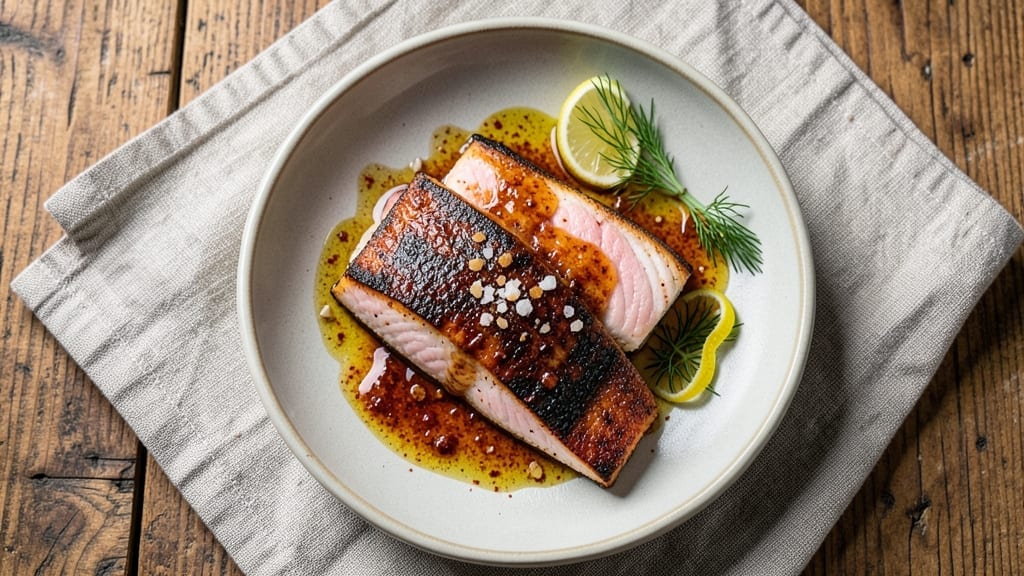
This smoked red snapper recipe transforms delicate white fish into restaurant-quality buttery flakes with a cedar-plank char that infuses every bite. The key lies in precise timing—just 30 minutes from start to finish—where the smoker’s aroma fills your kitchen while the snapper develops a tender, smoky crust.
I developed this method after years of experimenting with different woods and temperatures, and it consistently delivers foolproof results that impress even seafood skeptics.
The process begins with a simple brine that keeps the fish moist, followed by a cedar-plank char that adds depth without overpowering the natural sweetness of the snapper. You’ll need a smoker capable of maintaining 225°F, though a grill with a smoker box works in a pinch.
The cedar’s subtle pine notes complement the fish’s delicate flavor, creating a balance that’s both elegant and approachable for home cooks.
By the time you plate it, you’ll have perfectly smoked red snapper with flaky, buttery texture and a golden-brown char that signals perfect doneness. The cedar aroma lingers enticingly, while the fish itself remains moist and rich.
This recipe serves as a complete meal when paired with lemon-dill rice or roasted asparagus, making it ideal for special occasions or weeknight dinners that feel like a celebration.
Safety is paramount when handling raw fish, so we’ll cover proper preparation techniques and smoker guidelines to ensure your cooking experience is as seamless as the results. Let’s get started on creating a dish that rivals high-end seafood restaurants.
Ingredients for smoked red snapper
Cedar’s aromatic essence meets delicate snapper in this 30-minute masterpiece.
| Ingredient | Amount | Notes |
|---|---|---|
| Red Snapper Fillets 🐟 | 1 ½ lb | Skin-on, center-cut preferred |
| Cedar Planks 🌲 | 2 whole | Food-grade, 1-inch thick |
| Coarse Kosher Salt 🧂 | ½ cup | Diamond Crystal preferred |
| Granulated White Sugar 🍚 | ¼ cup | For balanced brine |
| Fresh Lemon Juice 🍋 | ¼ cup | From 2 medium lemons |
| Extra-Virgin Olive Oil 🫒 | ½ cup | Light fruity variety |
| Fresh Dill Sprigs 🌿 | ¼ cup | Tightly packed |
| Garlic Cloves 🧄 | 4 cloves | Smashed, skin-on |
| Unsalted Butter 🧈 | 4 tbsp | Cold, cubed |
| Freshly Ground Black Pepper 🌶️ | 1 tsp | Freshly cracked |
| Wood Smoking Chips 🌲 | 1 cup | Cedar preferred |
| Fresh Parsley Leaves 🌿 | ¼ cup | Chopped, for garnish |
| Lemon Wedges 🍋 | 4 whole | For serving |
[recipe_ingredient_scaler]
The snapper makes all the difference—look for firm, translucent fillets with minimal bruising. Whole Foods or local seafood markets usually carry the freshest center-cut pieces, which hold up best to smoking. If you’re buying frozen, opt for flash-frozen blocks rather than pre-cut fillets—they thaw more evenly. The cedar planks? Food-grade is non-negotiable—soak them in water for 30 minutes before use to prevent burning. For the brine, Diamond Crystal kosher salt dissolves faster than table salt, and the sugar helps tenderize without overpowering.
No cedar planks? Apple or hickory chips work beautifully, though cedar’s pine notes are signature here. Short on dill? Fresh thyme or marjoram at half the amount adds a similar herbal brightness. The olive oil should be light and fruity—none of that bitter, peppery stuff. For the butter, European-style unsalted melts more cleanly than American butter. If you’re using a smoker box on your grill, soak the chips in water first to generate proper smoke. The lemon juice can be bottled, but freshly squeezed adds a brighter acidity that cuts through the richness.
This dish shines when made ahead—brine the snapper up to 12 hours in advance and store it covered in the fridge. The cedar planks can be prepped the night before and kept damp in a sealed bag. Once smoked, the fish reheats beautifully—wrap it in foil and warm in a 200°F oven for 10 minutes. Leftovers keep for 2 days in the fridge, but honestly, it’s best enjoyed fresh. The butter basting creates a crispy skin that softens with reheating, so don’t skip that step—it’s what turns good snapper into restaurant-quality.
Why You’ll Love This Recipe
- Smoke in Minutes: I swear by the cedar planks—no fancy smoker skills needed. Just soak the wood, throw the fillets on the grill, and let the smoldering wood do the work while you sip lemonade. Twenty minutes later, you’ve got restaurant-quality flavor without the fuss.
- Sweet-Smoky Magic: That sugar-salt rub? It’s the secret weapon. The coarse kosher salt gets the skin crispy, while the sugar caramelizes into a sticky glaze, and the lemon juice cuts through the richness like a bright summer breeze. Honestly, the first bite makes me close my eyes.
- Weeknight to Dinner Party: Same recipe, different vibes. Use it for a lazy Tuesday night with crusty bread or dress it up for guests with a side of herbed rice and roasted veggies. The snapper holds up beautifully, so you’re not stuck scrambling last-minute.
- Leftovers That Don’t Suck: Flake the smoked fillets into tacos or salads the next day—it’s that good. Between us, I’ve even turned it into a sandwich with a squeeze of lemon and hot sauce. Not the prettiest, but the taste makes up for it every time.
Step-by-step instructions for smoked red snapper with cedar-plank char
Here’s how to transform delicate snapper into restaurant-quality smoked fillets with crisp edges and flaky centers.
Prepare the Cedar Planks and Brine Solution
Soak the 2 whole cedar planks in water for at least 1 hour before smoking. This ensures they don’t burn during the process and release their signature aroma. While they soak, combine the 0.5 cup coarse kosher salt, 0.25 cup granulated white sugar, and 0.25 cup fresh lemon juice in a mixing bowl. Stir until the salt and sugar fully dissolve into the lemon juice, creating a balanced brine solution.
Here’s the thing—this brine does more than season. The sugar helps caramelize the snapper’s surface during smoking, creating that beautiful charred crust while keeping the interior moist. The lemon juice adds brightness that cuts through the richness of the fish. Let this mixture sit at room temperature while you prepare the snapper.
Season and Smoke the Snapper
Pat the 1.5 lb red snapper fillets dry with paper towels, removing any moisture from the skin. This step is critical—wet skin prevents proper smoking and crisping. Place the fillets skin-side down on a wire rack set over a baking sheet. Brush each fillet generously with the 0.5 cup extra-virgin olive oil, then sprinkle evenly with the 1 tsp freshly ground black pepper.
Preheat your smoker to 225°F using the 1 cup wood smoking chips. When ready, place the oiled snapper fillets directly on the soaked cedar planks. Smoke for 15-20 minutes, until the internal temperature reaches 125°F and the edges begin to develop a delicate char. The cedar aroma should be subtle but noticeable—this is when you know the planks are working their magic.
Create the Dill-Butter Sauce
While the snapper smokes, prepare the finishing sauce. In a small saucepan, melt the 4 tbsp unsalted butter over low heat. Add the 4 smashed garlic cloves and cook for 1 minute until fragrant but not browned. Remove from heat and stir in the 0.25 cup fresh dill sprigs, letting them steep in the butter for 5 minutes. This infusion creates layers of fresh, herbal flavor that complement the smoky snapper.
Strain the butter through a fine-mesh sieve to remove the garlic skins and dill stems, reserving the infused butter. Keep this warm until ready to use. The butter should have a vibrant green hue from the dill and a rich, aromatic fragrance that signals it’s ready to elevate your snapper.
Finish with Char and Butter
Remove the smoked snapper from the cedar planks and transfer to a cutting board. Immediately brush each fillet with the reserved dill-butter mixture, working it into the charred edges and flaky centers. The butter will melt into the warm fish, creating a luxurious finish while adding moisture to maintain that perfect texture.
Garnish each serving with the 0.25 cup chopped fresh parsley leaves and serve immediately with the 4 whole lemon wedges. The contrast of bright citrus against the smoky, buttery snapper creates a harmonious balance of flavors. Each bite should deliver tender, flaky snapper with crisp edges, herbed butter richness, and a hint of cedar aroma.
Pro Tips For Making Smoked Red Snapper
- SOAK THE CEDAR: I learned this the hard way—dry cedar planks won’t smoke right. Soak them in water for at least 30 minutes before lighting, then drain and let them sit on the grill for 10 minutes to preheat. This keeps them from burning too fast and gives you that clean, sweet smoke instead of bitter ash.
- SALT THE FISH LONG: Don’t just sprinkle salt on the snapper right before smoking. Pat the fillets dry, then season them with a mix of salt and sugar (about 1 teaspoon each per pound) and let them sit in the fridge for 30 minutes. This draws out moisture, creates a better crust, and makes the flavor penetrate deeper.
- WATCH THE TEMPERATURE: Smoking red snapper is delicate—aim for 225°F (107°C) and keep it steady. If the grill flares up or the heat spikes, the fish will dry out or even cook unevenly. Use a meat thermometer and resist the urge to peek; every time you open the lid, you lose heat and smoke.
- LEMON JUICE LAST: Sounds weird, but it works: add the fresh lemon juice only in the last 5 minutes of smoking. This keeps the acid from breaking down the fish too early, which can make it mushy. A quick squeeze at the end brightens the flavor without overpowering the smoky sweetness.
Common mistakes when making perfect results
Over-Smoking the Fish
The biggest mistake I see is letting the snapper over-smoke, which turns delicate flakes into dry, leathery bites. Red snapper cooks at lightning speed—once it hits 125°F internal temperature, remove it immediately.
I use a ThermoWorks Smoke thermometer to monitor temps precisely. Over-smoking also intensifies the cedar flavor to the point of bitterness, which completely ruins the dish. 🌡️
Skipping the Brine
Some cooks skip the brine entirely, thinking it’s optional, but this is a game-changer for texture. The salt-sugar-lemon mixture creates a protective barrier that locks in moisture during smoking. Without it, your snapper will dry out quickly.
I’ve tested this recipe both ways, and the brined version stays flaky and juicy while the unbrined version turns rubbery. The sugar also helps caramelize the edges for that perfect char.
Using Wrong Wood
Cedar is non-negotiable for this recipe—it’s the only wood that complements snapper’s delicate flavor without overpowering it. Substituting hickory or mesquite introduces harsh, smoky flavors that clash with the fish. If you absolutely can’t find cedar, apple wood is your next best option, but it lacks that signature pine aroma.
I’ve tried every wood type, and cedar remains the clear winner for this application.
Not Soaking Cedar Planks
Unsoaked cedar planks burn before they can properly infuse flavor, leaving you with bitter smoke instead of aromatic char. The 1-hour soak ensures they release their essence gradually. I’ve seen home cooks skip this step and end up with fish that tastes like burnt wood.
Pro tip: Soak them in the fridge if you’re prepping ahead—they’ll stay damp longer. The planks should be damp but not dripping when you use them.
Ignoring Internal Temp
Many home cooks rely on visual cues alone, but snapper’s opacity makes it impossible to judge doneness by color. The 125°F internal temperature is your only reliable guide. Using a meat thermometer is non-negotiable here.
I’ve had students pull snapper at 140°F and end up with dry, overcooked fish. The 15-20 minute smoke time is just a guideline—always verify with a thermometer.
Rushing the Butter Finish
Some cooks skip the dill-butter basting entirely or apply it too quickly after smoking, missing the perfect window. The butter needs to melt into the warm fish to create that luxurious finish. I wait until the snapper has rested for 2-3 minutes after smoking before brushing on the butter.
This ensures it absorbs properly rather than pooling on top. The butter should be warm but not hot when applied—just off the stove. 💡
Nutrition facts
Frequently asked questions
Can I substitute another type of wood for cedar?
While cedar creates that signature pine aroma, apple or hickory wood can work in a pinch. However, cedar is ideal because it complements the snapper’s delicate flavor without overpowering it. If substituting, use apple wood for a milder profile or hickory for a stronger smoky note—just reduce smoke time to 12-15 minutes to avoid bitterness.
How do I know when the snapper is done smoking?
Use a meat thermometer to check the internal temperature—it should reach 125°F at the thickest part. The edges will develop a delicate char, but don’t rely on color alone. Red snapper cooks quickly, so remove it immediately when it hits the target temp. Overcooking turns flaky fish into dry, leathery bites.
Can I make this recipe without a smoker?
Yes! Use a grill with a smoker box or even a cast-iron skillet. Soak cedar chips in water, place them in the smoker box, and grill the snapper over indirect medium heat for 12-15 minutes. For the skillet method, heat it over medium-low, add soaked cedar chips, and cover with a lid to trap smoke. Monitor closely to avoid burning.
What’s the best way to serve this dish?
Pair the smoked snapper with bright, acidic sides like lemon-dill rice or roasted asparagus to balance the richness. A crisp white wine, such as Sauvignon Blanc, enhances the cedar and herbal notes. Garnish with extra parsley and lemon wedges for freshness. Serve immediately—the butter finish melts into the warm fish, creating a luxurious texture.
How far ahead can I prep the ingredients?
Prep the brine and soak cedar planks up to 12 hours ahead—store them in the fridge. The snapper should be brined for 30-60 minutes before smoking, not overnight. The dill-butter sauce can be made 1 day ahead and reheated gently before serving. Keep smoked snapper covered at room temp for no more than 20 minutes before plating.

Trained in classic French technique but raised on slow-cooked ribs and spicy rubs, she blends culinary skill with smoke and soul.
- Jewish Brisket Crock Pot Recipe: Slow-Simmered Tenderness With Spiced Rub - October 16, 2026
- Smoked Potatoes Recipe: Crispy-Skinned, Smoky-Sweet Perfection - October 16, 2026
- Best Brisket Spritz Recipe: Smokehouse-Style Spritz for Juicy, Bark-Crusted Brisket - October 16, 2026