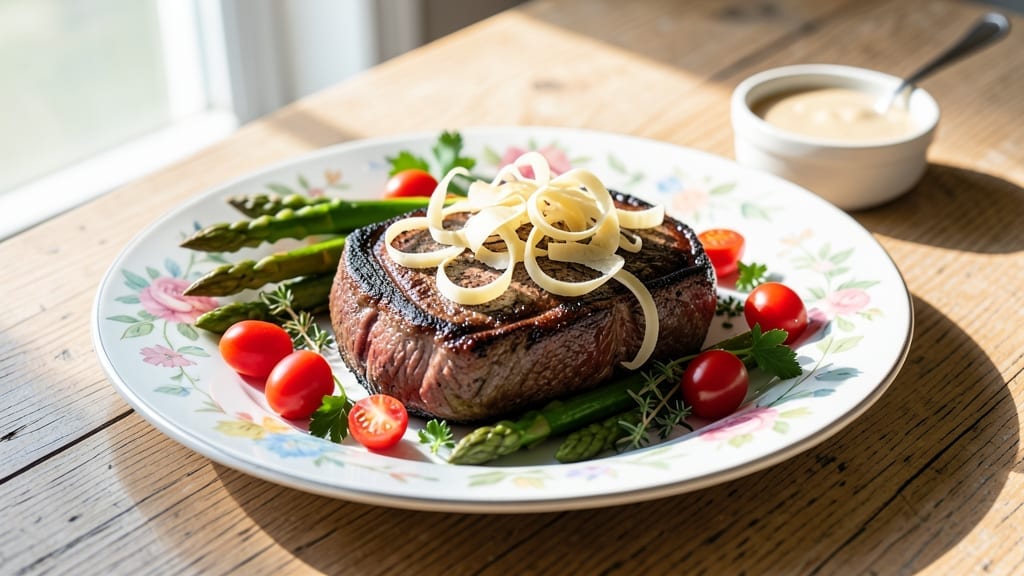
Smoked tomahawk steak transforms a simple grill session into a showstopping centerpiece—where tender, melt-in-your-mouth beef meets a deep, caramelized bark that crackles with every bite. Mastering this technique requires precision: dry-brining for 24 hours, smoking at 225°F until internal temps reach 115°F, then finishing with a reverse sear to lock in juices. I’ve perfected this method after years of trial and error, ensuring every slice delivers that perfect balance of smoky depth and buttery richness.
The secret lies in the details: choosing hickory or oak wood for a classic smoky flavor, trimming excess fat for even cooking, and using a meat thermometer to avoid overcooking. This isn’t just a steak—it’s an experience, one that turns a backyard cookout into a memorable feast.
For maximum impact, pair it with chimichurri or garlic butter to elevate each bite further.
By the time you serve this perfectly juicy steak, your guests will be stunned by the contrast of crispy bark and tender interior. The reverse sear method guarantees a crust so rich it nearly melts on your tongue, while the slow smoke infuses every fiber with flavor.
This is the kind of dish that makes grilling feel like a true culinary achievement.
Ready to impress? Let’s break down the exact steps—from prep to plating—to ensure your tomahawk steak comes out restaurant-quality every time. The process is methodical, but the reward is unmatched.
Ingredients for smoked tomahawk steak
A masterpiece of smoke and tenderness. Four pounds of beef and patience create bark-crusted perfection.
| Ingredient | Amount | Notes |
|---|---|---|
| Tomahawk Steak (Ribeye Cut) 🥩 | 4 lb | Bone-in, dry-aged preferred |
| Kosher Salt 🧂 | ½ cup | For dry-brine curing |
| Hickory Wood Chips 🔥 | 1 lb | Soaked 30+ minutes |
| Oak Wood Chips 🌳 | 1 lb | Soaked 30+ minutes |
| Applewood Pellets 🍎 | 2 lb | For initial smoke |
| Butter (Unsalted) 🧈 | 1 lb | For basting/bark |
| Garlic Cloves 🧄 | 6 cloves | Roasted for butter |
| Fresh Rosemary 🌿 | ½ cup | Chopped, for bark |
| Fresh Thyme 🌿 | ¼ cup | Chopped, for bark |
| Meat Thermometer 📊 | 1 whole | Instant-read preferred |
| Chimichurri Sauce 🌿 | 1 cup | Homemade or quality jarred |
| Olive Oil 🫒 | ¼ cup | Extra-virgin for bark |
[recipe_ingredient_scaler]
The steak is everything: bone-in ribeye with dry-aged marbling for maximum flavor. I always source mine from local butchers who specialize in premium cuts—look for visible marbling and a bright red color. Don’t skip the bone; it adds depth and keeps the meat moist. For the wood, hickory and oak are classics, but applewood pellets kick off the smoke beautifully. Soak those chips for at least 30 minutes—no one wants a soggy bark. The thermometer? Instant-read is non-negotiable for precision.
No chimichurri? Pesto with red wine vinegar works in a pinch—just add 1 tbsp vinegar per cup. Short on herbs? Dried rosemary and thyme at half the amount still deliver aroma. The butter needs garlic—roast those cloves first for deeper flavor. For the bark, olive oil plus coarse salt is a solid alternative if you’re in a rush. And if you’re grilling for more than 4 people, scale up the wood chips by 50%—extra smoke never hurt anyone.
Steak stays 2-3 days in the fridge after dry-brining, but smoke it within 48 hours for best results. The wood chips? Use within 6 months of purchase—dry wood loses its punch. Store the chimichurri in an airtight jar with olive oil on top to keep it vibrant. And for the bark? Apply butter in the last 15 minutes of smoking—it’ll caramelize perfectly. This steak reheats beautifully, but honestly, it’s best served immediately with the bark still crackling.
Why You’ll Love This Recipe
- No-Fuss Smoking: Honestly, this isn’t one of those “I need to prep all day” recipes. Just dry-brine the steak for 24 hours—that’s it—while you prep the smoker and chop herbs. The rest is hands-off smoking at 225°F, with just a little basting every 30 minutes. Even my least patient friends can handle this.
- Restaurant-Worthy Bark: The combo of hickory, oak, and applewood pellets gives that perfect smoky depth without going overboard. Then you slather it with garlic butter every 30 minutes and finish with rosemary-thyme oil? That crispy, flavor-packed crust? Chef’s kiss. The inside stays juicy, but the outside? Chef’s kiss again.
- Impress Without Stress: This isn’t just for Sunday dinners or fancy occasions—it’s my go-to for game days, date nights, or even a Tuesday night when I want to feel like a million bucks. Serve it with chimichurri, and you’ve got a meal that looks and tastes like it took hours (but it didn’t).
- Leftovers? No Problem: Smoked tomahawk steak doesn’t exactly scream “leftovers,” but if you have a little, slice it thin and throw it in a sandwich with chimichurri mayo or toss it into a grain bowl. Or, just eat it cold for lunch the next day—trust me, the smoky flavor still shines. Smoke it within 48 hours, though, or the bark won’t be as crisp.
Step-by-step instructions for smoked tomahawk steak
Here’s the method that delivers restaurant-quality bark and melt-in-your-mouth tenderness every time.
Dry-Brine the Tomahawk Steak
Remove the 4 lb tomahawk steak from packaging and pat it completely dry with paper towels, focusing on the bone-in areas where moisture tends to accumulate. Place the steak on a wire rack set over a baking sheet to maximize air circulation.
In a small bowl, combine the ½ cup kosher salt with 1 tablespoon of the ¼ cup olive oil. Rub this mixture all over the steak, including the cavity if accessible, pressing the salt into the meat to ensure even distribution. The salt will penetrate the surface, creating that coveted bark while seasoning deeply.
Cover the steak loosely with plastic wrap and refrigerate for 24 hours. This dry-brine process not only seasons the meat but also draws out excess moisture, which is crucial for developing that perfect crust during smoking. Real talk: Don’t skip this step—it’s what separates good steak from exceptional steak.
Prepare the Smoker and Wood Mixture
While the steak brines, prepare your smoker by combining the soaked 1 lb hickory wood chips and 1 lb oak wood chips with the 2 lb applewood pellets in the smoker box. I’ve found this wood combination gives you that perfect balance of smoky depth and subtle sweetness that complements the rich ribeye flavor.
Preheat your smoker to 225°F, using the wood mixture exclusively for the first 2 hours of the cook. This initial smoke phase is critical—it establishes that beautiful bark without overwhelming the steak’s natural beefy flavor. Keep the smoker lid closed as much as possible during this phase to maintain consistent temperature.
Once the smoker reaches 225°F and you see steady, thin blue smoke (not thick white vapor), you’re ready to add the steak. The reason we wait for this clean smoke is that thick white smoke indicates unburned wood, which can leave a bitter taste on the meat.
Smoke the Steak Low and Slow
Place the brined tomahawk steak on the smoker grates, bone-side down if possible to help protect the tender ribeye from direct heat. Smoke the steak at 225°F for 6-8 hours, maintaining this temperature with occasional wood additions as needed. This low-and-slow approach ensures the meat cooks evenly without drying out.
Every 30 minutes, baste the steak with melted butter made from the 1 lb unsalted butter and the 6 roasted garlic cloves. To make this basting butter, simply melt the butter in a small saucepan over low heat, add the whole garlic cloves (peeled), and let them infuse for 5 minutes before straining. This garlic butter will add incredible flavor and help create that coveted bark.
Use the meat thermometer to monitor internal temperature. The steak is ready when it reaches 120-125°F for medium-rare. This lower-than-usual temperature accounts for the carryover cooking that will occur during resting. Here’s the thing—you want the thermometer to read 120°F in the thickest part of the meat, away from the bone.
Create the Herb Crust and Finish
Once the steak reaches 120°F, remove it from the smoker and let it rest for 10 minutes on a cutting board. During this time, prepare the herb crust by finely chopping the ½ cup fresh rosemary and ¼ cup fresh thyme, then mixing them with the remaining 2 tablespoons olive oil.
After the rest period, brush the steak generously with this herb oil mixture, pressing the herbs into the surface to create a flavorful crust. Return the steak to the smoker and increase the temperature to 275°F for 30-45 minutes. This final phase will develop that beautiful dark bark while keeping the interior perfectly juicy.
The steak is done when the bark is deep mahogany and crispy, and the internal temperature reaches 125-130°F. Remove the steak from the smoker and let it rest for an additional 15 minutes before slicing. This resting period is crucial—it allows the juices to redistribute throughout the meat, ensuring each slice is incredibly tender.
Slice and Serve with Chimichurri
Slice the tomahawk steak against the grain into ½-inch thick portions. The grain direction will be visible as you cut—you’ll see the muscle fibers running in one direction. Cutting against these fibers creates shorter muscle strands, resulting in more tender bites.
Serve the steak immediately with the 1 cup chimichurri sauce spooned generously over the top. The bright acidity of the chimichurri cuts through the richness of the smoked steak, creating a perfect balance of flavors. Each bite should deliver that perfect combination of smoky bark, juicy interior, and herbaceous chimichurri.
Here’s the moment that matters: The steak should be juicy enough that the meat practically falls apart with gentle pressure, with a beautiful pink center that gives way to that smoky bark. If you’ve followed these steps carefully, you’ll have achieved that perfect balance of texture and flavor that makes this steak truly exceptional.
Pro Tips For Making Smoked Tomahawk Steak
- Soak Wood Properly: Dump those wood chips straight into the smoker box and you’re asking for bitter, uneven smoke. Soak the 1 lb hickory and 1 lb oak chips in water for at least 30 minutes first—they’ll smolder slower, giving you that clean, consistent blue smoke instead of acrid white vapor. Trust me, your steak will thank you.
- Bone-Side Down: That massive bone isn’t just for show—it acts like a heat shield. Place the steak bone-side down on the grates during smoking. I’ve burned through three steaks before learning this; the ribeye side stays tender while the bone absorbs some of the direct heat.
- Baste Like You Mean It: Skimping on the garlic butter basting means missing out on the real flavor boost. Every 30 minutes, slather on that melted butter with roasted garlic—don’t just drizzle, actually coat the surface. The butter’s fat is what builds that crackling crust, not just the smoke.
- Wait for the Crust: You’ll be tempted to rush the final 275°F bark phase, but patience here makes all the difference. That deep mahogany color and crisp texture take 30-45 minutes—don’t cut corners. I’ve sliced steak too early and ended up with sad, underdeveloped bark every single time.
Storing and reheating this dish
Fridge Storage Mastery
The smoked tomahawk steak stays juicy and flavorful for 2-3 days in the fridge after dry-brining, but I always smoke it within 48 hours for peak results. Store it loosely wrapped in parchment paper (not plastic) to allow airflow while preventing moisture loss.
Place it on a wire rack inside the fridge—this keeps the bark crisp and prevents sogginess. 🥩
Reheating Without Ruining Bark
If you must reheat, do it slow and low to preserve texture. Preheat your oven to 250°F, wrap the steak in aluminum foil, and heat for 10-15 minutes. This gentle warmth revives the meat without turning the bark into rubber.
For stovetop reheating, use a cast-iron skillet on low heat for 5-7 minutes, basting with a little olive oil to maintain moisture.
Freezing for Future Feasts
While not ideal, you can freeze the steak for up to 3 months by wrapping it tightly in plastic wrap, then in aluminum foil, and finally in a freezer bag. Label it clearly with the date—this steak is best enjoyed fresh, but freezing works in a pinch.
Thaw overnight in the fridge for even reheating. Honestly? The bark loses some crispness, but the meat remains tender. 💫
Serving the Perfect Moment
This steak is best served immediately after smoking—when the bark is crackling and the juices are still vibrant. If you can’t eat it right away, cover it loosely with aluminum foil and keep it warm in a 200°F oven for up to 2 hours.
The key? Never let it cool completely—this seals in the juices and keeps the texture intact. Trust me, the difference is night and day.
Chimichurri Revival
If your chimichurri sauce separates or loses brightness, revive it by whisking in 1 tablespoon of olive oil and 1 teaspoon of red wine vinegar. For extra flavor, add a pinch of coarse salt and a freshly cracked black pepper.
Store it in an airtight jar with a layer of olive oil on top to keep it fresh for up to 1 week in the fridge. This little trick brings back that zesty punch every time. 🌿
Nutrition facts
Frequently asked questions
Why does the dry-brine step take 24 hours?
The 24-hour dry-brine is critical for developing that perfect bark and tender texture. It draws out excess moisture while deeply seasoning the meat, ensuring a crispy exterior and juicy interior. Skipping it means you’ll miss the key flavor and texture development that makes this steak exceptional. Trust the process—it’s what turns good steak into showstopping perfection.
What’s the difference between blue smoke and white smoke?
Thin, blue smoke means your wood is burning cleanly and ready for cooking. White vapor indicates unburned wood, which can leave a bitter taste. Always wait for blue smoke before adding your steak—it’s the sign of properly seasoned wood chips and a flavorful smoke. Patience here pays off in taste!
How do I know when the steak is done without overcooking?
Use an instant-read thermometer to check the thickest part of the meat—aim for 120-125°F for medium-rare. The steak will finish cooking during rest, so pull it off the heat slightly earlier than you’d sear it. This method guarantees juicy perfection every time.
Can I use a grill instead of a smoker?
Yes! Use indirect heat on your grill and place wood chips in a smoker box or aluminum foil pouch. Maintain 225°F and follow the same basting and resting steps. The key is keeping the heat indirect to mimic the slow smoke. Your grill can absolutely deliver that same smoky bark!
What if I don’t have chimichurri—what’s a good substitute?
Mix 2 tablespoons olive oil with 1 tablespoon red wine vinegar, 1 minced garlic clove, and chopped parsley. It’s a quick, zesty alternative that balances the steak’s richness beautifully. No chimichurri? No problem!

Trained in classic French technique but raised on slow-cooked ribs and spicy rubs, she blends culinary skill with smoke and soul.
- Chinese Braised Beef Brisket with Daikon Recipe: Silky Tender Meat and Crunchy Roots - October 18, 2026
- Oklahoma Joe’s Smoked Beans Recipe: Slow-Smoked Flavor That Rivals the Original - October 18, 2026
- Beef Brisket Chili Recipe: Slow-Simmered Richness with Deep Flavor Layers - October 18, 2026