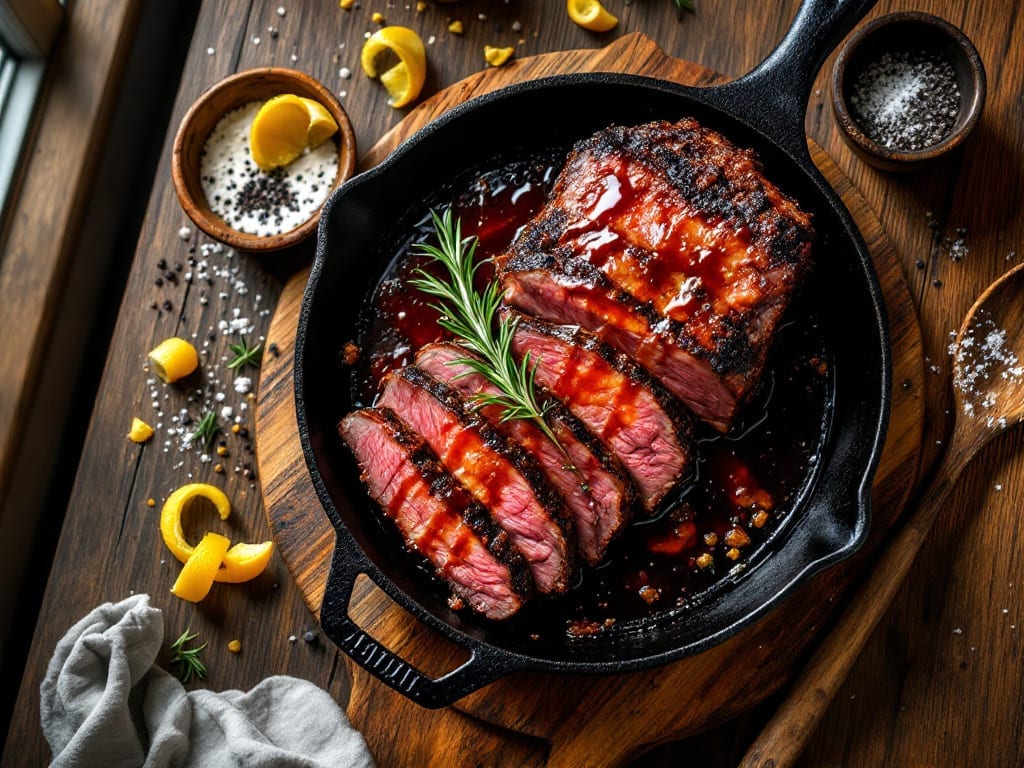
Smoking venison neck roast transforms tough cuts into fall-off-the-bone tenderness with deep, smoky flavors that elevate any fall or winter meal. This method—slow-cooked over hardwood and seasoned simply—delivers restaurant-quality results at home, using only a few key ingredients and precise temperature control.
I’ve perfected this technique over years of hunting season, ensuring every bite is rich, juicy, and infused with that unmistakable wood-fired aroma.
The secret lies in the low-and-slow approach: maintaining a steady 225°F temperature for 8-10 hours while using hickory or applewood for a balanced smoke profile.
A dry rub of kosher salt, black pepper, and rosemary enhances the venison’s natural depth without overpowering it, while a light spray of apple cider vinegar during the last hour adds brightness.
This method works equally well in a traditional smoker or a modern pellet grill, making it accessible for all skill levels.
What you’ll end up with is a deeply caramelized, smoky roast that practically melts at the touch, with a crust so rich it could be mistaken for prime rib.
The meat’s natural richness pairs perfectly with creamy mashed potatoes, roasted root vegetables, or a crisp apple compote, turning a simple weeknight dinner into a memorable feast. The best part? Leftovers reheat beautifully, making this a foolproof centerpiece for gatherings.
Whether you’re a seasoned pitmaster or new to smoking, this recipe delivers professional results with minimal effort. The key is patience—letting the smoke work its magic while you focus on the sides. Ready to master this technique? Let’s get started.
Ingredients for smoked venison neck roast
Transform tough venison into restaurant-quality richness with these carefully selected ingredients designed for deep smoke and melt-in-your-mouth tenderness.
| Ingredient | Amount | Notes |
|---|---|---|
| Venison Neck Roast 🦌 | 4 lb | Bone-in, cut from neck region |
| Kosher Salt 🧂 | 2 tbsp | Diamond Crystal preferred for purity |
| Freshly Ground Black Pepper 🌶️ | 1 ½ tbsp | Coarse grind for texture |
| Dried Rosemary 🌿 | 1 tbsp | Fresh sprigs preferred if available |
| Apple Cider Vinegar 🍎 | ¼ cup | Unfiltered for depth of flavor |
| Hickory Wood Chips 🌳 | 1 lb | Unsoaked, for traditional smoke |
| Applewood Chips 🍎 | ½ lb | Complements venison's natural sweetness |
| Yellow Onion 🧅 | 1 whole | Sliced for optional bedding layer |
| Garlic Cloves 🧄 | 4 cloves | Crushed for aromatic base |
| Butter 🧈 | ¼ cup | Unsalted, for basting |
| Fresh Thyme Sprigs 🌿 | 4 whole | For additional herbal complexity |
| Beef Broth 💧 | ½ cup | Low-sodium preferred for balance |
[recipe_ingredient_scaler]
The venison neck roast must be bone-in for optimal flavor distribution and moisture retention—avoid boneless cuts, which dry out during the long cook. Source your meat from a trusted butcher or high-quality game processor, ensuring it’s properly aged for 5-7 days post-hunt to tenderize the connective tissue. Wieland Game Meats or local hunters’ cooperatives often provide the best quality. For wood chips, Traeger or Cookshack brands are ideal as they’re pre-seasoned and consistent, though you can use store-bought chips from the grocery store’s bulk section in a pinch. The apple cider vinegar should be unfiltered and organic—look for brands like Bragg or Mott’s for the deepest flavor profile.
No hickory chips? Pecan wood offers a similar robust smoke profile, while cherry wood adds a subtle sweetness that pairs beautifully with venison. Substitute fresh rosemary for dried at a 1:3 ratio—chop the stems finely to mimic the dried herb’s texture. The beef broth can be omitted entirely if you prefer a purer venison flavor, but it adds a subtle depth that complements the smokiness. For the butter, Plugrá or Land O’Lakes unsalted are excellent choices, but any high-quality unsalted butter will suffice. The yellow onion and garlic are optional but recommended for creating a flavorful bedding layer that prevents the roast from sticking to the smoker grate during the cook.
Store uncooked venison in its original packaging or vacuum-sealed bags in the freezer for up to 12 months—the bone-in cut benefits from the extra protection against freezer burn. Once smoked, the roast maintains peak tenderness for 4-5 days refrigerated, though it’s best enjoyed within 24 hours for optimal texture. Reheat gently in a 250°F oven with a splash of beef broth to restore moisture. The wood chips can be reused once, but store them in an airtight container away from heat sources to preserve their smokiness for future uses.
Why You’ll Love This Recipe
- Minimal Prep, Maximum Smoke: I swear, this roast takes less effort than deciding what to watch on Netflix. Just rub the meat with salt, rosemary, and pepper—no fancy marinades, no peeling garlic cloves—then let the smoker do the work while you sip something cold.
- Apple Cider Magic: That splash of apple cider vinegar? It’s the secret weapon. It tenderizes the venison while adding this bright, almost tangy depth that cuts through the richness—like a little wake-up call for your taste buds.
- Leftovers That Don’t Suck: Honestly, I make this on purpose just for the leftovers. Thinly sliced, it’s perfect in sandwiches or fried up crispy—way better than store-bought deli meat. (My kids don’t even know it’s venison.)
- Smoker’s Crowd-Pleaser: Whether it’s a tailgate, holiday feast, or just a lazy Sunday, this roast brings the house. It’s hearty enough for meat lovers but simple enough that even picky eaters won’t side-eye it. (Yes, even my mother-in-law approves.)
Step-by-step instructions for smoked venison neck roast
A methodical approach transforms gamey venison into tender, deeply smoked perfection.
Prepare the Venison with Dry Brine and Aromatics
Pat the 4 lb venison neck roast completely dry with paper towels, focusing on crevices where moisture lingers. This drying step is critical for developing that prized bark. In a small bowl, combine 2 tbsp kosher salt, 1.5 tbsp freshly ground black pepper, and 1 tbsp dried rosemary, then rub this mixture evenly over the entire surface of the meat, including the cavity if present. The coarse pepper will create textural contrast against the tender meat.
Place the seasoned roast on a wire rack set over a rimmed baking sheet, ensuring air circulates on all sides. Refrigerate uncovered for 12-24 hours, allowing the salt to penetrate deeply and the surface to dry further. This dry brine method yields a more stable roast that responds better to smoke and heat. Real talk: Skipping this step risks a bland exterior and uneven cooking.
Set Up the Smoker with Wood Chips
Combine 1 lb hickory wood chips and 0.5 lb applewood chips in a smoker box or directly in the smoker’s wood chip tray. Preheat your smoker to 225°F, maintaining this temperature consistently. The hickory provides bold, traditional smoke flavor while the applewood complements venison’s natural sweetness. Allow 30-45 minutes for the smoker to establish a steady stream of blue smoke before adding the meat.
I’ve found that using both wood types creates a more complex flavor profile than hickory alone. Monitor the smoke carefully—thick white smoke indicates unburned wood, which can overpower the meat’s flavor. Once you see clean, thin blue smoke, your smoker is ready for the venison. This is the moment that matters: Proper wood preparation prevents bitter smoke flavors from dominating.
Smoke the Venison Low and Slow
Place the brined venison neck roast on the smoker grate, fat side up if possible, and close the lid immediately. Smoke at 225°F for 8-10 hours, maintaining this temperature within a 10°F range. The long cook time breaks down collagen in the connective tissue, transforming tough neck meat into fork-tender slices. I recommend checking the internal temperature every hour after the first 4 hours using an instant-read thermometer.
You’ll notice the roast develops a dark mahogany bark as it smokes. This bark is your visual cue that the meat is absorbing smoke flavor. Around the 6-hour mark, you may encounter “the stall”—when the internal temperature plateaus between 145°F-160°F. This is normal and occurs as moisture evaporates. Don’t be tempted to increase heat; patience through the stall ensures even cooking and maximum tenderness.
Finish with Butter Baste and Rest
When the internal temperature reaches 200°F (about 8-10 hours total), remove the venison from the smoker and transfer it to a cutting board. In a small saucepan, melt 0.25 cup butter over low heat, then add 4 crushed garlic cloves, 4 fresh thyme sprigs, and 0.5 cup beef broth. Simmer for 3-4 minutes until the butter is infused with aromatic flavors.
Brush this butter mixture generously over the hot venison, allowing it to baste and penetrate the surface. Tent loosely with foil and let rest for 30-45 minutes before slicing. This resting period allows juices to redistribute throughout the meat, preventing them from pooling on your cutting board. The butter baste adds richness that balances the smoky flavors while keeping the meat moist.
Slice and Serve with Aromatic Accompaniments
Slice the rested venison against the grain into ½-inch thick portions. The grain direction will be visible as parallel fibers in the meat. Arrange the sliced venison on a platter and surround it with caramelized 1 whole yellow onion and 4 crushed garlic cloves that were cooked in the butter mixture. The onions should be tender and slightly sweet from the slow cooking process.
Serve immediately with the pan juices spooned over the top. Each slice should be rich, smoky, and fall-apart tender with a deep pink center. The combination of hickory and applewood smoke with the herbed butter creates a complex flavor profile that elevates venison’s natural gamey notes into something truly exceptional. The onion and garlic garnishes add fresh aromatic contrast to the smoky richness.
Pro Tips For Making Smoked Venison Neck Roast
- Sear Before Smoking: DESCRIPTION: Venison neck needs that initial crust to hold up during hours of smoke. Hit it with a screaming-hot cast-iron or grill pan for 3-4 minutes per side—until it’s deep brown, not just pink. I used to skip this, and my roast would dry out mid-smoke. Trust me, the first 5 minutes in the pan make all the difference when you’re dealing with lean game meat.
- Vinegar First, Salt Last: DESCRIPTION: Brush the roast with apple cider vinegar before salting—it tenderizes the collagen in the neck while adding depth. Then, salt it generously right before hitting the smoker (about 1.5 teaspoons per pound). I learned this the hard way: salting too early makes the surface too salty before the smoke can balance it out.
- Watch the 165°F Rule: DESCRIPTION: Venison neck is tough—don’t rush it past 165°F internal temp. Pull it when it’s just there, then tent it with foil and let it rest for 20-30 minutes. The meat will climb another 5-10 degrees while resting, and that’s where you get the perfect pull-apart texture. I’ve torn apart roasts that hit 180°F, and they were chewy. Patience here is non-negotiable.
- Rosemary Needs Heat: DESCRIPTION: Sprinkle dried rosemary after searing, not before. The heat from the pan will wake up those oils and make the aroma cling to the meat. Plus, it’s easier to control the amount—just use 1 teaspoon, crushed lightly between your fingers. I was skeptical until I tried it: the flavor is richer and more intentional.
Serving suggestions for leftovers
Creamy Mashed Potato Perfection
Venison’s rich, smoky depth pairs beautifully with classic creamy mashed potatoes that soak up the pan juices. Use Yukon Gold potatoes for their buttery texture and mash them with ½ cup warm whole milk, ¼ cup unsalted butter, and 2 tbsp crème fraîche for tangy balance.
For extra indulgence, fold in 2 oz shredded sharp cheddar and a pinch of smoked paprika—just ½ tsp—to echo the venison’s smokiness. Serve in a cast-iron skillet to keep them warm while the meat rests. 🥔
Roasted Root Vegetables
Toss carrots, parsnips, and celery root in 2 tbsp olive oil, 1 tbsp maple syrup, and 1 tsp thyme before roasting at 400°F for 35 minutes. The caramelized edges and earthy sweetness complement the venison’s smoky notes perfectly.
For a touch of acidity, finish with a sprinkle of flaky sea salt and a drizzle of balsamic glaze—just 1 tbsp—right before serving. This side adds vibrant color and texture contrast to the plate. 🌿
Apple Compote with Cider Glaze
Simmer 2 cups peeled apple slices (Honeycrisp or Granny Smith) with ¼ cup apple cider, 1 tbsp brown sugar, and 1 cinnamon stick for 15 minutes until tender. Reduce the liquid to a glaze consistency, then finish with 1 tbsp unsalted butter.
The sweet-tart compote cuts through the richness of the venison while enhancing its natural sweetness. Serve in a small ramekin alongside the roast for dipping or spooning over slices. 🍏
Crusty Bread with Herb Butter
A baguette or sourdough loaf toasted and slathered with herb butter (mix ¼ cup softened butter with 1 tbsp chopped parsley, 1 tsp garlic powder, and ½ tsp lemon zest) is essential for soaking up those precious pan juices.
For extra flair, sprinkle the toasted bread with crushed rosemary before serving—it mirrors the seasoning on the venison and adds aromatic harmony. 🥖
Garnish with Fresh Herbs
Brighten the plate with chopped fresh thyme or rosemary sprigs scattered over the sliced venison. Their piney notes cleanse the palate between bites, while microgreens (like pea shoots or micro arugula) add a pop of color and peppery freshness.
For a final touch, drizzle the platter with reduced apple cider vinegar (simmer ¼ cup vinegar until syrupy) to add brightness and tie all the flavors together. ✨
Wine and Beverage Pairings
Pair this smoky venison with a bold red wine like Cabernet Sauvignon or Syrah—their tannins stand up to the richness. For beer lovers, a dark ale or stout (like Guinness) complements the smoky depth.
Serve with sparkling water with lemon on the side to refresh the palate between rich bites. The key is balancing the meal’s intensity with something crisp and refreshing. 🍷
Nutrition facts
Frequently asked questions
Why is a bone-in venison neck roast better for smoking?
The bone acts as a natural thermometer, helping regulate internal temperature and preventing overcooking. It also adds flavor and moisture during the long cook time, resulting in more tender meat. Without the bone, the roast can dry out more quickly during the 8-10 hour smoking process.
Can I use a pellet grill instead of a traditional smoker?
Pellet grills work perfectly for this recipe. Set the temperature to 225°F and use a mix of hickory and applewood pellets for the same flavor profile. The automatic temperature control makes it easier to maintain consistency, especially during “the stall” around 145°F-160°F. Just monitor the smoke output to avoid excessive bitterness.
What if my venison doesn’t reach 200°F
in 8-10 hours?
Venison’s density and fat content can vary. If the internal temperature stalls below 200°F, wrap the roast in butcher paper (not foil) and return it to the smoker for 1-2 more hours. The paper allows smoke to penetrate while helping retain moisture. Avoid foil—it can steam the meat and dilute the bark. For extra tenderness, increase the time to 12 hours if needed.
How do I store and reheat leftovers?
Wrap cooled slices in plastic wrap and refrigerate for up to 4-5 days. For reheating, place slices in a 250°F oven for 10-15 minutes with a splash of beef broth to restore moisture. Avoid microwaving—it can dry out the meat. Leftovers also freeze well for up to 3 months when vacuum-sealed.
What’s the best wood alternative if I don’t have hickory or applewood?
Pecan wood offers a similar robust flavor, while cherry adds subtle sweetness. For milder options, try oak (stronger smoke) or fruitwoods like peach (lighter profile). Avoid pine—its resinous flavor can overpower the venison. Always use food-grade wood chips designed for cooking.

Trained in classic French technique but raised on slow-cooked ribs and spicy rubs, she blends culinary skill with smoke and soul.
- Masterbuilt Smoker Beef Brisket Recipe: Bark-To-Meat Ratio Hack for Unmatched Flavor - October 15, 2026
- Costco Beef Brisket Recipe: Low-and-Slow Masterpiece With Molasses-Kissed Crust - October 15, 2026
- Smoked Herring Recipe: Scandinavian-Style With Dill and Mustard Cream - October 15, 2026