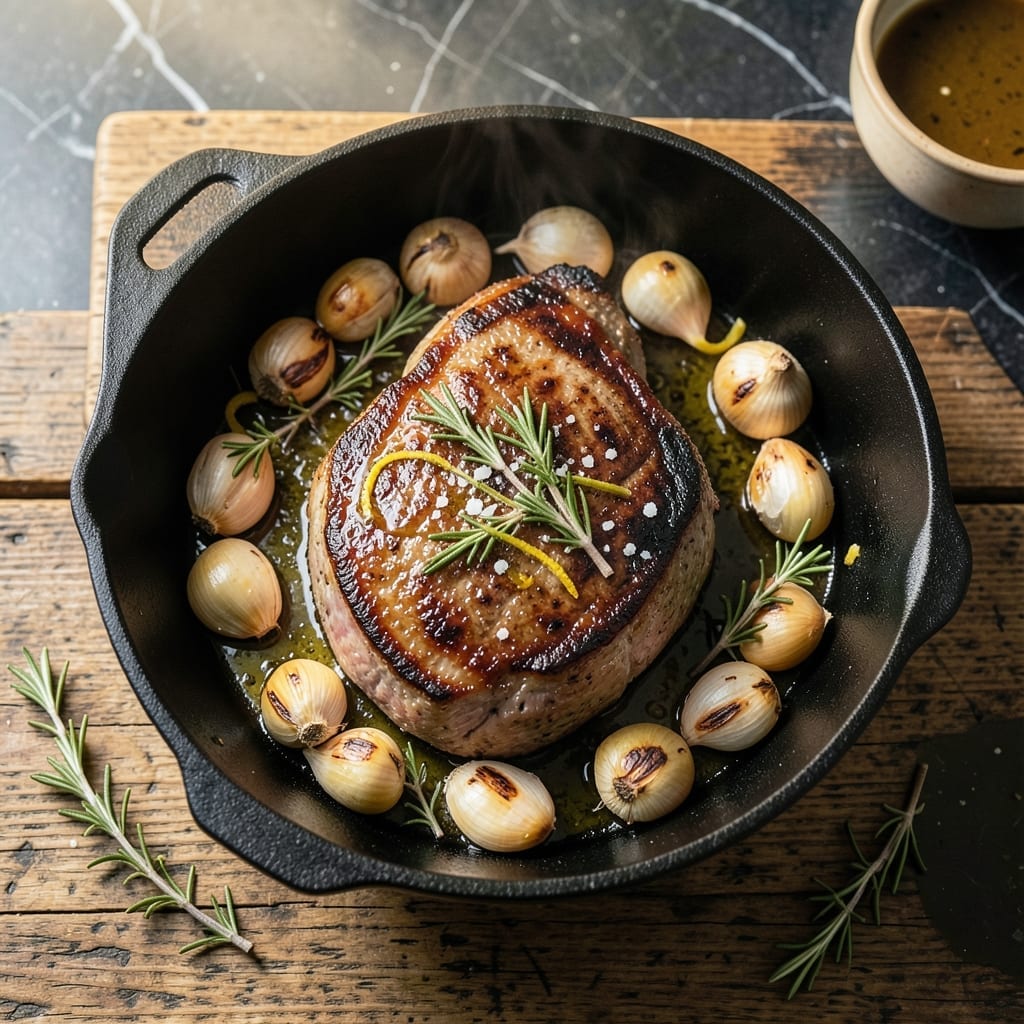
This slow-roasted sirloin tip roast delivers tender, flavorful beef with a crisp herb crust that’s hard to resist. I’ve refined this method over years of Sunday dinners, ensuring every bite is packed with rich, savory depth.
The secret lies in the low-and-slow approach, allowing the beef to break down into fall-apart tenderness while the herb crust forms a golden, aromatic seal. A simple rub of garlic, rosemary, and thyme elevates the natural flavors without overpowering them.
Pair it with roasted root vegetables or creamy mashed potatoes for a complete meal. The leftovers—if there are any—make incredible sandwiches or hearty beef stews the next day.
This is the kind of dish that turns a regular weekend into something worth savoring.
Ingredients for Southern Living Sirloin Tip Roast
Quality beef and fresh herbs create a dish worth the slow wait. Nothing else needed.
| Ingredient | Amount | Notes |
|---|---|---|
| Sirloin Tip Roast 🥩 | 3 lb | Well-marbled, trimmed of excess fat |
| Garlic Cloves 🧄 | 6 cloves | Minced for maximum flavor |
| Fresh Rosemary 🌿 | 2 tbsp | Finely chopped, stems discarded |
| Fresh Thyme 🍃 | 2 tbsp | Leaves stripped from stems |
| Olive Oil 🫒 | ¼ cup | Extra-virgin for richness |
| Kosher Salt 🧂 | 2 tsp | Diamond Crystal preferred |
| Black Pepper 🌶️ | 1 ½ tsp | Freshly ground for best flavor |
| Dijon Mustard 🟡 | 1 tbsp | Smooth, not whole grain |
| Red Wine 🍷 | 1 cup | Dry variety like Cabernet |
| Beef Broth 🥫 | 2 cups | Low-sodium preferred for control |
| Carrots 🥕 | 3 whole | Peeled, cut into chunks |
| Yellow Onions 🧅 | 2 whole | Peeled, quartered through root |
| Yukon Gold Potatoes 🥔 | 1 ½ lb | Peeled, cut into large pieces |
| All-Purpose Flour 🌾 | 2 tbsp | For thickening pan juices |
[recipe_ingredient_scaler]
The beef is everything here. Sirloin tip roast from Whole Foods or Costco has the marbling you need for that fall-apart texture. Look for a piece with visible fat streaks—this isn’t the time for lean cuts. The fresh herbs matter too: grab rosemary and thyme with vibrant color and firm stems. Avoid anything wilted or yellowing. For the wine, any dry red works—Cabernet Sauvignon or Merlot are reliable choices.
No fresh herbs? Dried at one-third the amount works, but fresh is ideal. Out of red wine? Substitute beef broth with a splash of balsamic vinegar. The Dijon mustard adds depth to the crust, but yellow mustard in a pinch won’t ruin it. If you’re skipping the potatoes, add extra carrots or parsnips—they’ll soak up the juices beautifully. The flour thickens the pan juices, but cornstarch (1 tbsp mixed with 1 tbsp water) works too.
Leftovers keep 4-5 days in the fridge—use for sandwiches or stews. The roast can also be frozen for 3 months if wrapped tightly. Bring to room temperature before reheating for best texture. The herb crust stays crisp if you reheat in the oven rather than the microwave.
Why You’ll Love This Recipe
- Set It & Forget: Honestly, I just rub the sirloin with olive oil, garlic, rosemary, and thyme, then let the oven do the work.
- Herb-Crusted Bliss: That garlic-rosemary-thyme combo forms the most incredible crust on the roast—juicy inside, fragrant outside.
- Sunday or Tuesday: I serve this for special dinners, but it’s just as welcome on a random weeknight when I need comfort food.
- Leftovers for Days: One roast feeds us twice—first as a main, then as next-day sandwiches that might be even better.
Step-by-Step Instructions for Slow-Roasted Beef with Herb Crust
This method ensures tender beef with a flavorful crust and rich pan sauce.
Step 1: Prepare the Herb Crust and Season the Roast
In a small bowl, combine the 0.25 cup olive oil, 2 tbsp fresh rosemary, 2 tbsp fresh thyme, 6 cloves garlic cloves, 2 tsp kosher salt, 1.5 tsp black pepper, and 1 tbsp Dijon mustard. Stir until the herbs and garlic are evenly distributed throughout the oil.
Pat the 3 lb sirloin tip roast dry with paper towels to ensure the herb mixture adheres properly. Rub the herb-oil mixture all over the roast, pressing it into the meat to create a thick, flavorful crust. Let it sit at room temperature for 30 minutes while you preheat the oven to 325°F.
Step 2: Sear the Roast and Prepare the Vegetables
Heat a large Dutch oven or heavy oven-safe pot over medium-high heat. When hot, add the roast and sear on all sides until deeply browned, about 3-4 minutes per side. This step develops a rich fond that will deepen the flavor of your pan sauce.
Remove the roast and set it aside. Add the 3 whole carrots, 2 whole yellow onions, and 1.5 lb Yukon Gold potatoes to the pot, tossing them in the rendered fat to coat lightly. Return the roast to the pot, placing it on top of the vegetables.
Step 3: Slow-Roast the Beef to Perfection
Pour the 1 cup red wine and 2 cups beef broth into the pot, ensuring the liquid comes about halfway up the roast. Cover with a tight-fitting lid and transfer to the preheated oven.
Roast for 2.5 to 3 hours, or until the internal temperature reaches 145°F for medium-rare. Baste the roast with the pan juices every 45 minutes to keep it moist and enhance the herb crust. The vegetables should be fork-tender and the liquid reduced slightly by the end of cooking.
Step 4: Rest the Roast and Make the Pan Sauce
Carefully remove the roast from the pot and transfer it to a cutting board. Tent it loosely with foil and let it rest for 15-20 minutes. This allows the juices to redistribute, ensuring a moist and tender result.
Place the pot with the vegetables and cooking liquid on the stovetop over medium heat. Sprinkle the 2 tbsp all-purpose flour over the liquid and whisk until smooth. Simmer for 5-7 minutes, stirring occasionally, until the sauce thickens enough to coat the back of a spoon. Strain if you prefer a smoother sauce, or leave the vegetables in for a rustic finish.
Step 5: Slice and Serve with Pan Sauce
Slice the roast against the grain into ½-inch thick pieces. The meat should be tender and juicy, with a well-browned herb crust. Arrange the slices on a serving platter and spoon the pan sauce and vegetables over the top.
Serve immediately while hot, ensuring each portion includes a generous amount of the flavorful sauce and roasted vegetables. The sauce should be rich and velvety, complementing the tender beef perfectly.
Pro Tips For Making Southern Living Sirloin Tip Roast
- Sear It Hot: Use a screaming hot cast-iron skillet for the initial sear—about 2 minutes per side. I learned this the hard way after my first roast came out gray instead of golden.
- Slash the Garlic: Cut small slits in the roast and tuck in whole garlic cloves before roasting. Sounds weird, but it works: the flavor infuses deep into the meat.
- Skip the Cold Meat: Pull the sirloin tip roast out of the fridge 45 minutes before cooking. My grandmother swore by this, and she was right: it cooks more evenly.
- Rest Under Foil: After cooking, tent the roast with foil and let it sit for 15 minutes. I used to rush this part and wondered why my juices ended up on the cutting board.
Troubleshooting southern living sirloin tip roast
Undercooked Roast
If your roast isn’t reaching 145°F internally, don’t panic. First, check your oven temperature with an oven thermometer—I use a Taylor Classic. If it’s accurate, return the roast to the oven, covered, and cook for another 30 minutes before checking again.
Dry Roast Issue
Dryness often means the roast cooked too hot or too long. Next time, ensure your oven stays at 325°F and pull it at 145°F. Also,
Weak Herb Flavor
If the herb crust isn’t pronounced, use more fresh herbs next time—double the rosemary and thyme. Also, let the seasoned roast sit at room temperature for a full 30 minutes before cooking so the flavors penetrate deeper.
Thin Pan Sauce
For a thicker sauce, whisk in the 2 tbsp flour and simmer uncovered for 5-7 minutes. If it’s still thin, mix 1 tbsp cornstarch with 1 tbsp cold water and stir it in, then simmer for 2 more minutes.
Soggy Herb Crust
This happens if you cover the roast too tightly during cooking. Use a lid that fits well but leaves a small gap for steam to escape. Also, sear the roast thoroughly at the start—3-4 minutes per side on medium-high heat creates a better barrier. 🔥
Vegetables Not Cooked
Cut the carrots, onions, and potatoes into smaller, uniform pieces next time. Also, place them under the roast so they cook in the liquid. If they’re still underdone, remove the roast when done and continue cooking the veggies in the sauce.
Nutrition Facts
Frequently Asked Questions
What oven temperature works best?
Use 325°F for even, slow cooking. This ensures the beef stays tender while the herb crust develops a rich, golden color. Higher heat can dry out the roast too quickly.
How do I know when it’s done?
Check the internal temperature with a meat thermometer. Pull it from the oven at 145°F for medium-rare. The temperature will rise to 150-155°F while resting.
Can I use dried herbs instead?
Yes, but reduce the amount to 1/3 of fresh. Soak them in 2 tablespoons warm water first to rehydrate. Fresh herbs are ideal for the best flavor.
Why rest the meat before slicing?
Resting for 15-20 minutes lets juices redistribute throughout the roast. Skipping this step can leave your beef dry and the juices on the cutting board.

Trained in classic French technique but raised on slow-cooked ribs and spicy rubs, she blends culinary skill with smoke and soul.
- Recipe for Boneless Pork Chops in Cast Iron Skillet: Sear and Baste to Juicy Perfection - October 3, 2026
- Recipe for Boneless Cross Rib Roast: Slow-Roasted Beef with Herb Crust - October 3, 2026
- Hamburgers in Sauce Recipe Crock Pot: Slow-Cooked Savory Delight - October 3, 2026