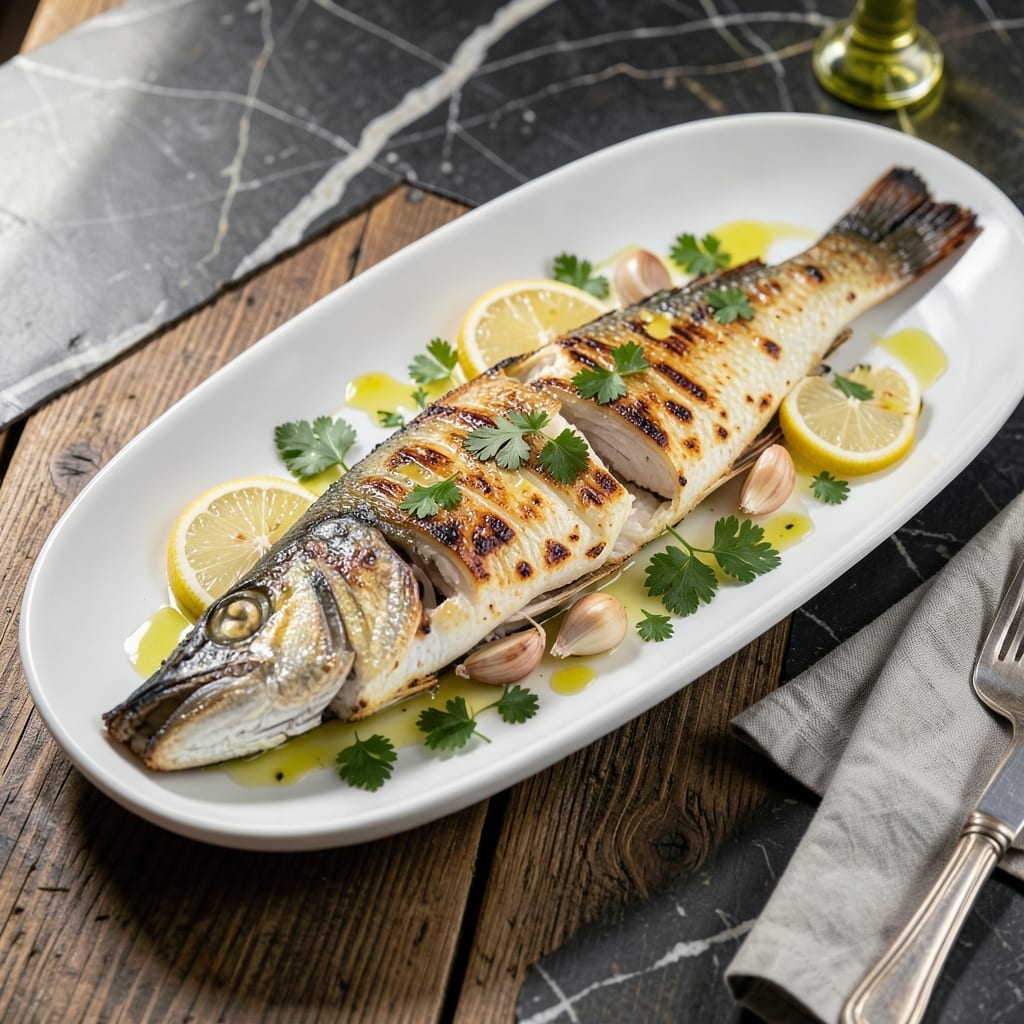
This whole flounder preparation elevates a delicate fish to restaurant-quality status with minimal effort. The secret lies in the balance of buttery richness and bright citrus notes that complement the fish’s natural sweetness.
I’ve refined this method through years of professional kitchens and home testing. The high-heat baking technique ensures the skin crisps while keeping the flesh tender and moist. Fresh herbs add an aromatic finish that makes this dish unforgettable.
What emerges from the oven is a golden, flaky fish with a fragrant lemon-herb butter sauce pooled at the bottom. The presentation is as impressive as the taste, perfect for special occasions or elegant weeknight dinners.
Serve with roasted vegetables or a simple green salad to complete the meal. Here’s how to achieve this foolproof preparation.
Ingredients for Whole Flounder
Elevate delicate flounder with buttery richness and bright citrus for restaurant-quality results at home.
| Ingredient | Amount | Notes |
|---|---|---|
| Whole Flounder 🐟 | 2 lb | Cleaned, scaled, fins trimmed |
| Unsalted Butter 🧈 | ½ cup | Cut into small pieces |
| Extra-Virgin Olive Oil 🫒 | 2 tbsp | Divided for fish and pan |
| Fresh Lemon 🍋 | 2 whole | Zested and juiced |
| Garlic Cloves 🧄 | 4 cloves | Minced finely |
| Fresh Parsley 🌿 | ¼ cup | Chopped, flat-leaf variety |
| Fresh Thyme Sprigs 🍃 | 4 sprigs | Leaves stripped |
| Fresh Dill 🌿 | 2 tbsp | Chopped, for garnish |
| Kosher Salt 🧂 | 1 ½ tsp | Diamond Crystal preferred |
| Freshly Ground Black Pepper 🌶️ | ½ tsp | Coarse grind |
| Dry White Wine 🍷 | ¼ cup | Sauvignon Blanc or Pinot Grigio |
| Shallot 🧅 | 1 whole | Finely minced |
| Lemon Slices 🍋 | 4 slices | Thin, for garnish |
[recipe_ingredient_scaler]
The flounder should be fresh, whole, and unblemished—ask your fishmonger for skin-on fillets if whole fish isn’t available. Wild-caught from a reputable seafood counter (like Whole Foods or Local Fish Markets) ensures optimal flavor and texture. The butter must be high-quality unsalted; I prefer Plugrá or European-style for its higher fat content. Fresh herbs are non-negotiable for that aromatic finish.
No white wine? Substitute with chicken stock plus a splash of lemon juice—though the wine’s acidity balances the butter beautifully. Shallots can be replaced with red onion at half the quantity. If dill isn’t available, tarragon or chives offer a different but complementary note. For the citrus, lime works in a pinch (though lemon’s brightness is ideal). The olive oil can be any neutral oil if avoiding strong flavors.
Flounder is best cooked the day of purchase. Store it on ice in the fridge for no more than 12 hours if absolutely necessary. The lemon-herb butter can be made 1 day ahead and refrigerated. Leftovers? Rare with this dish, but they’ll keep for 2 days—reheat gently to preserve the fish’s delicate texture.
Why You’ll Love This Recipe
- One Pan Wonder: I love that I can roast the whole flounder with just butter, lemon, and garlic—no flipping, no fuss, and the oven does all the work.
- Buttery Garlic Bliss: The combo of melted butter, fresh lemon, and roasted garlic cloves makes every bite so rich and fragrant.
- Impress Without Stress: It’s my go-to for dinner parties because it looks elegant but takes barely any effort to prepare.
- Budget-Friendly Feast: Honestly, a whole flounder feeds my family for less than individual fillets, and leftovers taste just as good the next day.
Step-by-Step Instructions for Whole Flounder
Master this elegant preparation with precise technique and perfect timing for restaurant-quality results.
Step 1: Prepare the Flounder and Aromatics
Pat the 2 lb Whole Flounder completely dry inside and out with paper towels. This critical step ensures the skin crisps properly during baking. Season the cavity and exterior generously with the 1.5 tsp Kosher Salt and 0.5 tsp Freshly Ground Black Pepper, rubbing it into the flesh for even distribution.
Finely mince the 1 whole Shallot and the 4 cloves Garlic Cloves. Strip the leaves from the 4 sprigs Fresh Thyme Sprigs and chop the 0.25 cup Fresh Parsley. Zest one of the 2 whole Fresh Lemon and juice both, setting aside the 4 slices Lemon Slices for garnish. The citrus oil from the zest will brighten the dish significantly.
Step 2: Create the Herb-Infused Butter Base
In a small bowl, combine the 0.5 cup Unsalted Butter (cut into small pieces) with 1 tbsp Extra-Virgin Olive Oil, the minced shallot, minced garlic, chopped thyme leaves, and the lemon zest. The butter should be soft but not melted—this allows the flavors to meld without separating.
Mash the mixture with a fork until fully integrated. This compound butter will serve as both a cooking medium and a finishing element. The shallot and garlic will soften and sweeten during baking, while the thyme adds an earthy depth that complements the delicate flounder beautifully.
Step 3: Sear and Deglaze for Maximum Flavor
Heat the remaining 1 tbsp Extra-Virgin Olive Oil in a large oven-safe skillet over medium-high heat. When the oil shimmers, add the flounder and sear for exactly 2 minutes per side until the skin turns golden and slightly crisp. The fish should release easily from the pan when ready to flip.
Transfer the flounder to a plate temporarily. Add the 0.25 cup Dry White Wine to the hot skillet and scrape up all the browned bits from the bottom. This deglazing process captures the fond—the concentrated flavor essence left by the fish—and incorporates it into your sauce base.
Step 4: Bake to Flaky Perfection
Return the flounder to the skillet, cavity-side up. Distribute the herb butter mixture evenly over the fish, allowing some to melt into the pan. Place the skillet in a preheated 400°F oven and bake for 12-15 minutes until the fish flakes easily with a fork and reaches an internal temperature of 145°F.
The butter will create a light emulsion with the wine and fish juices, forming a luxurious sauce. Baste the fish with these pan juices once or twice during baking to ensure even flavor distribution and prevent the top from drying out.
Step 5: Garnish and Serve Immediately
Carefully transfer the flounder to a serving platter, using two spatulas to support the delicate fish. Spoon the pan sauce over the top and garnish with the chopped 2 tbsp Fresh Dill, chopped Fresh Parsley, and the reserved Lemon Slices. The fresh herbs add vibrant color and a final burst of aroma.
Serve the whole flounder family-style at the table. The meat should be opaque and flake apart with minimal pressure from a fork. The combination of bright citrus, rich butter, and fresh herbs creates a sophisticated yet approachable dish that highlights the natural sweetness of the flounder.
Pro Tips For Making Whole Flounder
- Score the Flesh: Make 2-3 diagonal cuts on each side of the flounder before cooking—this prevents curling in the pan and helps the heat penetrate evenly.
- Use Room-Temp Butter: Take the unsalted butter out 30 minutes ahead so it melts smoothly into the olive oil, creating a perfect basting liquid for the garlic and lemon.
- Skip Overcrowding: Cook one flounder at a time if your pan isn’t huge—I learned this the hard way when my first batch steamed instead of seared.
- Finish with Lemon Zest: After squeezing the juice, grate the peel directly over the cooked flounder for a bright, aromatic upgrade that takes 10 seconds.
Essential Equipment for whole flounder
Oven-Safe Skillet
An oven-safe skillet is non-negotiable for this recipe. I swear by my 12-inch cast iron Lodge—it transitions seamlessly from stovetop searing to oven baking. A stainless steel skillet with oven-safe handle (like All-Clad) works equally well. 🔥
Fish Spatula
Flounder is delicate, so you need the right tool. A thin, flexible fish spatula slides under the skin without tearing it. I use a Mercer Culinary model that’s become my go-to for all seafood. The thin edge gets under the flounder’s skin perfectly.
Instant-Read Thermometer
Precision matters with fish. My ThermoWorks Thermapen gives accurate readings in 2-3 seconds. Aim for 145°F internal temperature in the thickest part. This ensures perfect doneness without overcooking the delicate flesh.
Citrus Zester
A Microplane zester extracts maximum flavor from lemon peel without the bitter pith. I keep mine dedicated to citrus—it makes all the difference in brightening this dish. The fine zest blends beautifully into the herb butter.
Pastry Brush
Use a silicone pastry brush to baste the flounder with pan juices during baking. A OXO Good Grips brush handles the heat well. This step ensures even flavor distribution and that gorgeous golden finish.
Serving Platter
Present your flounder on a warm platter—it keeps the fish hot during serving. I love my stoneware platter from a local pottery shop. The rustic look complements the elegant dish beautifully. 💛
Nutrition Facts
Frequently Asked Questions
What’s the best way to check for doneness?
Use an instant-read thermometer to check the thickest part of the fish. It’s done at 145°F. Alternatively, the flesh should flake easily with a fork and appear opaque.
Can I use frozen flounder?
Yes, but thaw it overnight in the refrigerator first. Pat it completely dry before cooking to ensure the skin crisps properly. Never cook fish straight from the freezer.
How do I prevent the skin from sticking?
Make sure your skillet is very hot before adding the fish. Use medium-high heat and don’t move the flounder until it’s ready to flip. A well-seasoned cast iron skillet works best.
What should I serve with this dish?
Pair it with light sides like roasted asparagus or a simple green salad. The delicate flavor works well with rice pilaf or crusty bread to soak up the buttery sauce.

Trained in classic French technique but raised on slow-cooked ribs and spicy rubs, she blends culinary skill with smoke and soul.
- Recipe for Boneless Pork Chops in Cast Iron Skillet: Sear and Baste to Juicy Perfection - October 3, 2026
- Recipe for Boneless Cross Rib Roast: Slow-Roasted Beef with Herb Crust - October 3, 2026
- Hamburgers in Sauce Recipe Crock Pot: Slow-Cooked Savory Delight - October 3, 2026