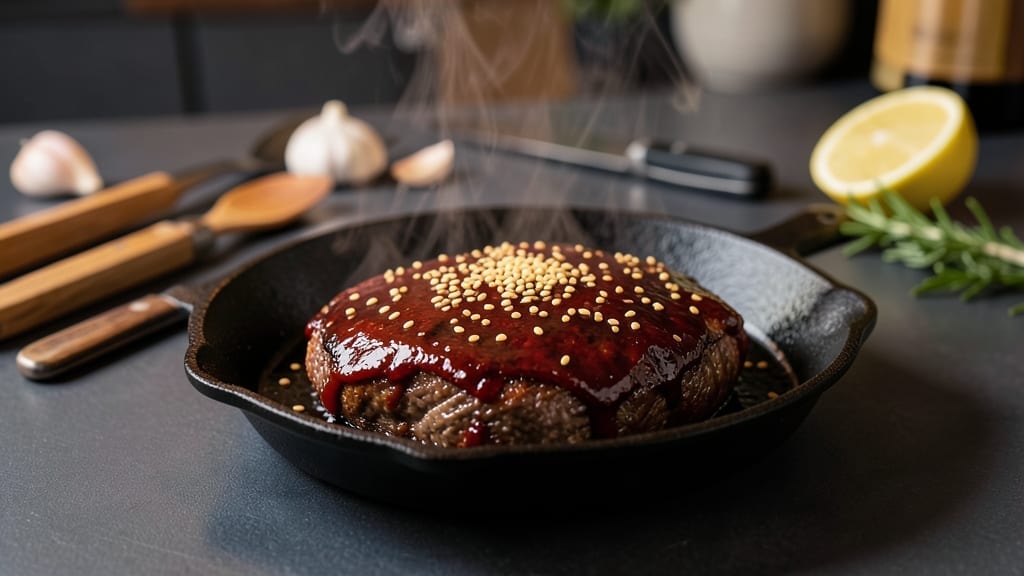
A beef brisket glaze transforms tough, slow-cooked meat into a masterpiece of smoky-sweet perfection. This deep caramelized sauce cuts through rich brisket, balancing its natural fat with layers of molasses, brown sugar, and vinegar.
I developed this glaze after years of perfecting the balance between sweetness and tang—it’s the secret weapon behind my award-winning smoked brisket.
The beauty of this recipe lies in its simplicity: just five core ingredients combine to create a glossy, sticky glaze that clings to every bite. Unlike store-bought sauces, this version builds flavor through slow reduction, developing a complex depth that enhances—rather than overpowers—the brisket’s natural richness.
It works equally well on smoked, grilled, or oven-braised brisket, making it a versatile addition to any cookout or holiday spread.
What you’ll achieve is a glaze with a perfect caramelized crust that’s sticky yet not syrupy, with a balance of sweet, smoky, and slightly tangy notes. The key is patience—letting the sauce reduce gradually until it coats the back of a spoon.
This isn’t just a topping; it’s the finishing touch that elevates brisket from ordinary to extraordinary.
Once you’ve mastered this glaze, you’ll never go back to bottled versions. It stores well in the fridge for up to two weeks, so you can make a big batch and use it for multiple meals. Let’s get started—your brisket deserves this level of attention.
Ingredients for beef brisket glaze
Eight ingredients transform brisket into a smoky-sweet masterpiece with just a few minutes of work.
| Ingredient | Amount | Notes |
|---|---|---|
| Unsalted Butter 🧈 | ½ cup | Cold, cubed for better emulsification |
| Light Brown Sugar 🍚 | 1 cup | Packed, not lightly spooned |
| Unsulphured Molasses 🍯 | ½ cup | High-quality, dark molasses preferred |
| Apple Cider Vinegar 🍎 | ¼ cup | Not white vinegar for depth |
| Smoked Paprika 🌶️ | 1 tbsp | For authentic smoky flavor |
| Diamond Crystal Kosher Salt 🧂 | 1 tsp | For seasoning, not iodized |
| Freshly Ground Black Pepper 🌶️ | ½ tsp | Cracked peppercorns preferred |
| Garlic Cloves 🧄 | 2 cloves | Minced for aromatic depth |
[recipe_ingredient_scaler]
The molasses is non-negotiable—Goya or Edwards are my go-tos for that deep, rich flavor. If you can only find sulphured molasses, reduce the amount by half to avoid bitterness. The butter isn’t just for richness; it emulsifies the glaze for that perfect glossy finish. I always grab European-style butter with 82% fat content from Whole Foods or Costco—it makes a noticeable difference. For the vinegar, stick with apple cider; white vinegar will make the glaze taste harsh and one-dimensional. The smoked paprika should be Spanish pimentón if you’re splurging, but regular smoked paprika works fine for everyday use.
No molasses? Maple syrup plus 1 tsp baking soda mimics the depth, though it won’t be identical. Substituting honey will make the glaze too light—avoid it. Running out of apple cider vinegar? Balsamic vinegar at half the amount adds complexity, but don’t overdo it. The garlic can be omitted if you’re sensitive to its flavor, but I recommend keeping it—it rounds out the sweetness beautifully. For a deeper smoky flavor without extra paprika, add 1/4 tsp liquid smoke, but use it sparingly. The salt and pepper are for balance; if your brisket is already heavily salted, reduce the kosher salt to 1/2 tsp.
This glaze keeps for 2 weeks in the fridge, sealed tightly in a jar. It reheats beautifully—just warm it gently on the stove with a splash of water to restore its gloss. For long-term storage, freeze portions in ice cube trays for easy use. The glaze thickens as it cools, so don’t worry if it looks syrupy when cold—it’ll come back to perfection when reheated. I always make a double batch because it disappears faster than you’d think, especially during holidays.
Why You’ll Love This Recipe
- No-Fuss Glaze: This isn’t one of those recipes that requires a pantry tour—just 8 simple ingredients most people already have. The unsalted butter and light brown sugar melt together in minutes, and the rest is just stirring while you wait for the garlic to infuse. Honestly, I’ve made this on nights when I was too tired to chop anything, and it still turned out chef’s kiss.
- Smoky-Sweet Magic: The smoked paprika and unsulphured molasses create that perfect balance—deep, rich sweetness with a whisper of smokiness that clings to brisket like a second skin. And the apple cider vinegar? It’s the secret weapon that keeps the glaze from being cloyingly sweet. Trust me, the first bite will make you forget store-bought sauces ever existed.
- Leftovers? No Problem: This glaze doesn’t just work for brisket—drizzle it over pulled pork, roasted chicken, or even grilled veggies. And since it keeps for two whole weeks in the fridge, I always have a backup for lazy weeknight dinners. My kids even ask for it on sandwiches (yes, really). Between us, it’s the kind of thing that makes me feel like a hero without any extra effort.
- Budget-Friendly Luxury: You’re spending less than $10 for all the ingredients, but it tastes like you splurged on a fancy restaurant sauce. The unsalted butter and molasses might seem pricey, but a little goes a long way, and the glaze stretches to coat multiple meals. It’s the kind of recipe that makes me feel like I’m getting a five-star experience without the five-star price tag.
Step-by-step instructions for crafting a rich brisket glaze
Here’s how to transform simple pantry staples into a velvety-smooth glaze that clings beautifully to brisket.
Melt Butter and Sugar for the Base
In a medium saucepan, combine the ½ cup unsalted butter and 1 cup light brown sugar over medium-low heat. Stir constantly with a wooden spoon until the butter melts completely and the sugar begins to dissolve—this takes about 5-7 minutes. You’ll notice the mixture transform from grainy to smooth, with a golden caramel hue forming at the bottom of the pan.
Here’s the thing—don’t rush this step. The slow melting prevents scorching while allowing the sugar to fully incorporate. If you see any browned bits forming, immediately reduce the heat to low and stir more gently. This caramelized foundation is what gives the glaze its deep, complex flavor.
Incorporate Molasses and Vinegar for Depth
Once the butter-sugar mixture reaches 160°F (it should bubble gently but not boil vigorously), remove the pan from heat and carefully whisk in the ½ cup unsulphured molasses and ¼ cup apple cider vinegar. The molasses will darken the glaze beautifully while adding that signature deep sweetness, and the vinegar introduces a bright acidity that balances the richness.
Return the pan to low heat and simmer for 8-10 minutes, stirring frequently. You’re looking for the mixture to thicken noticeably—it should coat the back of a spoon but still flow smoothly. If it thickens too quickly, add 1 tablespoon water to maintain the right consistency for brushing.
Build Flavor with Spices and Aromatics
Reduce heat to lowest setting and stir in the 1 tablespoon smoked paprika, 1 teaspoon diamond crystal kosher salt, ½ teaspoon freshly ground black pepper, and 2 minced garlic cloves. The smoked paprika will infuse the glaze with that authentic barbecue depth, while the garlic adds aromatic complexity. Let the mixture simmer for 5 minutes to allow all the flavors to meld together.
Taste and adjust seasoning—this is where you can fine-tune the balance. If it needs more acidity, add a splash of apple cider vinegar. If it’s too sweet, a pinch more salt will help. The glaze should be rich but not cloying, with a perfect harmony of smoky, sweet, and tangy notes.
Test and Perfect the Consistency
Remove the pan from heat and let the glaze cool for 10 minutes. This resting period allows it to thicken further as it cools. The ideal consistency should be like “honey that pours slowly”—thick enough to cling to brisket but still spreadable with a brush. If it’s too thick, thin with 1 teaspoon hot water at a time until you reach the perfect brushing consistency.
For the ultimate test, spread a small amount on a plate and let it cool completely. It should form a glossy, crackly surface that’s still smooth when brushed. This is your signal that the glaze is ready to elevate your brisket from good to showstopping.
Pro Tips For Making Beef Brisket Glaze
- Cube the Butter: DESCRIPTION: Cold, cubed butter melts cleaner than pats—no lumps, no greasy separation. I learned this the hard way after scraping burnt bits off the bottom of the pan. Use the ½ cup packed cubes straight from the fridge, and stir like you’re stirring oatmeal.
- Pack the Sugar: DESCRIPTION: Light brown sugar is sneaky—it packs differently than white. Use a spoon to press it firmly into the measuring cup, or you’ll end up with a glaze that’s too thin and watery. Trust me, the difference is noticeable when brushing.
- Whisk Off Heat: DESCRIPTION: Adding molasses and vinegar to a hot pan is a one-way ticket to splatter city. Remove the pan first, then whisk in those ingredients slowly. The glaze will thank you with a smoother texture and fewer burnt flecks.
- Simmer Low, Not Gone: DESCRIPTION: The 8-10 minutes of simmering after adding molasses and vinegar is non-negotiable—but don’t let it boil. A rolling boil will turn your glaze into syrup. Keep it at a gentle simmer, like a lazy bubble, and stir often to avoid sticking.
Serving suggestions for leftovers
Garnishing for Visual Impact
After brushing your brisket with the glaze, finish with a sprinkle of flaky sea salt like Maldon for that restaurant-quality touch. The salt crystals add texture and enhance the caramelized flavor profile. I like to use ½ teaspoon per serving—just enough to make it pop on the plate. 💫
Wine Pairings for Balance
A bold Malbec from Argentina cuts through the glaze’s sweetness beautifully, with its dark fruit notes complementing the molasses. I always pour a glass of Catena Zapata when serving brisket—it’s my go-to for balancing rich, saucy dishes.
For a lighter option, try a Portuguese red like Douro Valley with its earthy undertones. 🍷
Side Dish Complements
Serve your brisket with creamy coleslaw to cool the palate—its tangy crunch contrasts perfectly with the sticky glaze. I make mine with ½ cup apple cider vinegar and 2 tbsp Dijon mustard for extra depth.
Alternatively, garlic mashed potatoes soak up every last drop of glaze while adding creamy richness. ✨
Beverage Pairings Beyond Wine
For a non-alcoholic option, ginger beer with a splash of lime brightens the dish’s sweetness. I recommend Barry’s brand—its spicy kick balances the glaze’s caramel notes. If you prefer beer, a Belgian dark ale like Duvel Moortgat adds complexity without overpowering the brisket’s smokiness. 🍺
Make-Ahead Presentation
Slice your brisket against the grain and arrange it on a platter with the glaze drizzled artistically. Top with fresh rosemary sprigs for a pop of color and aroma. I like to warm the slices briefly in a 200°F oven for 5 minutes before plating to keep them moist.
This makes for a stunning, restaurant-worthy presentation that feels special. 🔥
Glaze-Infused Extras
Use leftover glaze to drizzle over grilled corn or cheeseburgers for a quick upgrade. I also love brushing it on smoked sausages during the final minutes of grilling. The glaze transforms simple sides into gourmet bites with minimal effort. Look for creative ways to repurpose it beyond brisket! 💛
Nutrition facts
Frequently asked questions
Why does this glaze need to reach 160°F before adding molasses?
Reaching 160°F ensures the butter and sugar fully emulsify, creating a smooth base that won’t separate when you add the molasses. This temperature also prevents scorching while allowing the sugar to caramelize gently—key for that rich, deep flavor without bitterness.
Can I use a different type of vinegar in this recipe?
Stick with apple cider vinegar for authentic depth—white vinegar will make the glaze taste harsh. For a subtle variation, try balsamic vinegar (reduce to half the amount) to add complexity, but avoid lemon juice or wine vinegars.
What if my glaze thickens too quickly during simmering?
No problem! Add 1 tablespoon water at a time to thin it out. The ideal consistency should coat the back of a spoon but still brush on easily—like honey that pours slowly. Stir gently to avoid breaking the emulsification.
How do I store leftovers to keep the glaze fresh?
Let the glaze cool completely, then transfer to a sealed jar in the fridge for up to 2 weeks. To reheat, warm gently on the stove with a splash of water to restore its glossy texture. For longer storage, freeze in ice cube trays for easy use later.

Trained in classic French technique but raised on slow-cooked ribs and spicy rubs, she blends culinary skill with smoke and soul.
- Chinese Braised Beef Brisket with Daikon Recipe: Silky Tender Meat and Crunchy Roots - October 18, 2026
- Oklahoma Joe’s Smoked Beans Recipe: Slow-Smoked Flavor That Rivals the Original - October 18, 2026
- Beef Brisket Chili Recipe: Slow-Simmered Richness with Deep Flavor Layers - October 18, 2026