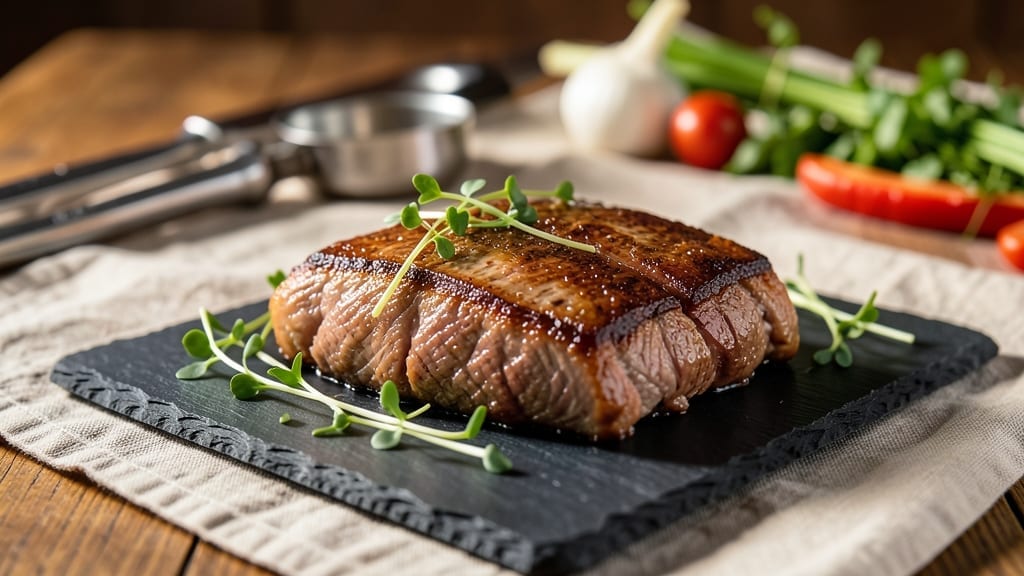
Cantonese beef brisket transforms tough cuts into melt-in-your-mouth perfection through slow braising—a technique rooted in traditional Cantonese cuisine. This method relies on precise timing and layered flavors to create a dish that’s both restaurant-worthy and deeply satisfying. I’ve refined the process over years of testing, balancing sweetness, umami, and smoky depth for a brisket that falls apart with every bite.
The secret lies in the marinade—a blend of soy sauce, Shaoxing wine, and aromatic spices—that tenderizes the meat while building complex flavors. After searing the brisket to lock in juices, it slow-cooks until fork-tender, absorbing the rich, caramelized sauce.
This approach ensures the final result is deeply flavorful, with a texture that’s impossible to resist.
What makes this recipe stand out is its versatility. Serve it over steamed jasmine rice for a classic Cantonese meal, or pair it with stir-fried bok choy and scallions for a complete dish.
The slow-braised method means you can prepare it ahead of time, making it ideal for gatherings or meal prep.
Whether you’re cooking for family or hosting a dinner party, this foolproof method delivers results that taste like they’ve been simmering for hours—even if you’re using a slow cooker or Instant Pot. The key is patience and attention to detail, ensuring every bite is as rich and tender as possible.
Ingredients for cantonese beef brisket
Six hours of slow braising transform tough brisket into restaurant-quality Cantonese perfection.
| Ingredient | Amount | Notes |
|---|---|---|
| Beef Brisket (flat cut) 🥩 | 3 lb | Trimmed of excess fat, cut into 1-inch cubes |
| Light Soy Sauce 🍜 | ½ cup | High-quality, reduced-sodium preferred |
| Shaoxing Wine 🍷 | 0.38 cup | Authentic Chinese variety, not cooking wine |
| Rock Sugar 🍬 | ¼ cup | Granulated, for caramelization |
| Hoisin Sauce 🍲 | ¼ cup | Smooth, not chunky |
| Garlic Cloves 🧄 | 8 cloves | Freshly minced, aromatic |
| Fresh Ginger 🌿 | ¼ cup | Finely grated, vibrant |
| Star Anise Pods ⭐ | 4 whole | Whole for infusion, not pre-ground |
| Dried Red Chili Peppers 🌶️ | 3 whole | For aromatic depth, not heat |
| Light Brown Sugar 🍯 | ¼ cup | Packed, for balanced sweetness |
| Vegetable Oil 🫒 | ½ cup | For searing brisket |
| Jasmine Rice 🍚 | 2 cups | Long-grain, for serving |
| Sesame Oil 🫒 | 1 tbsp | For finishing, not cooking |
| Scallions 🌱 | 4 whole | Thinly sliced, for garnish |
| Diamond Crystal Kosher Salt 🧂 | 1 tsp | For seasoning, not iodized |
| Freshly Ground Black Pepper 🌶️ | ½ tsp | For finishing, freshly ground |
[recipe_ingredient_scaler]
The beef is everything here. Flat-cut brisket delivers the best texture when cubed and braised, but point-cut works too—just reduce cooking time by 30 minutes. For optimal quality, source from high-end butchers like Crowd Favorite or local Asian markets, where they trim excess fat and ensure even cuts. Look for marbled beef with visible fat streaks—this ensures tenderness and flavor infusion during braising. If unavailable, pre-cut cubes from Costco work in a pinch, though they may require extra trimming.
Shaoxing wine is non-negotiable for authentic depth—substituting dry sherry loses complexity, while cooking wine dilutes flavor. Rock sugar caramelizes beautifully but can be replaced with cane sugar at half the quantity. Star anise and dried chilies add aromatic layers; omit chilies for mild versions or use 1 tbsp red pepper flakes for heat. Hoisin sauce should be smooth and thick—Lee Kum Kee or Pearl River Bridge are reliable brands. Ginger and garlic should be freshly minced; pre-minced loses potency.
This dish improves with time. Prepare marinade ahead and refrigerate for up to 2 days, but never freeze the beef—it loses tenderness. Braise in a heavy pot or Dutch oven for even heat distribution. Reserve 0.25 cup braising liquid to thin with water before serving. The finished brisket keeps 5 days refrigerated or 3 months frozen. Reheat gently in the braising liquid to restore moisture. Garnish with scallions and sesame oil just before serving for maximum freshness.
Why You’ll Love This Recipe
- I’ll be real: this recipe makes enough for two meals. The brisket keeps like a dream for 5 days in the fridge or even 3 months frozen, so you can have it for lunch the next day or freeze half for a lazy weekend. My kids actually ask for it over rice or even in egg rolls—proof that it’s versatile enough to work in multiple ways without tasting repetitive.
- Oven-Love Hack: This is the kind of dish where you toss the brisket into the oven while you’re already doing something else—like waiting for rice to cook or even just chilling on the couch. The 3-hour braise at 325°F does all the work while you sip tea or scroll through memes. Honestly, the only active time is the initial sear and the final 15-minute rest, and even that’s worth it for the payoff.
- Umami Bomb: The combo of light soy sauce, shaoxing wine, and hoisin sauce gives this brisket a depth that’s chef’s kiss—that rich, savory punch you can’t get from just salt and pepper. The rock sugar and brown sugar caramelize into the sauce, balancing the saltiness with a subtle sweetness that makes every bite sing. It’s the kind of flavor that’ll have you licking the plate.
- Leftovers That Shame No One: I’ll be real: this recipe makes enough for two meals. The brisket keeps like a dream for 5 days in the fridge or even 3 months frozen, so you can have it for lunch the next day or freeze half for a lazy weekend. My kids actually ask for it over rice or even in egg rolls—proof that it’s versatile enough to work in multiple ways without tasting repetitive.
Step-by-step instructions for Cantonese beef brisket
This method delivers melt-in-your-mouth brisket with deep umami richness and caramelized edges.
Prepare the Brisket and Aromatics
Trim any remaining fat from the 3 lb beef brisket (flat cut) to leave a thin even layer, then cut into 1-inch cubes. Pat dry with paper towels to ensure a proper sear. In a small bowl, combine 8 garlic cloves (finely minced), ¼ cup fresh ginger (finely grated), 4 star anise pods (lightly crushed), and 3 dried red chili peppers (whole). This aromatic blend forms the flavor foundation.
Here’s the thing—don’t skip the drying step. Moisture on the brisket will steam instead of sear, diluting the final flavor. I like to work in batches if needed, keeping the prepared cubes covered until ready to cook. The aromatics should be vibrant and fragrant, with the garlic and ginger releasing their oils when minced.
Sear the Brisket in Stages
Heat ½ cup vegetable oil in a 6-quart Dutch oven over medium-high heat until shimmering. Working in batches to avoid crowding, add the brisket cubes and sear for 3-4 minutes per side until deeply browned. Remove and set aside—these browned bits are flavor gold. You’ll know it’s ready when the edges develop a rich mahogany color and the meat releases easily from the pan.
Real talk: if your oil isn’t hot enough, the brisket will absorb oil instead of developing that crucial crust. The oil should be hot enough to create small bubbles around the meat when added. For this recipe, we’re building layers of flavor through both the sear and the braise, so don’t rush this step.
Build the Braising Liquid
Reduce heat to medium and add ½ cup light soy sauce, ⅜ cup shaoxing wine, ¼ cup rock sugar, ¼ cup hoisin sauce, and ¼ cup light brown sugar to the Dutch oven. Stir vigorously to scrape up all the browned bits from the bottom—this is where the deep umami develops. The mixture should bubble gently as it begins to caramelize.
Add the reserved brisket cubes along with the aromatic blend back to the pot. The liquid should come about halfway up the brisket cubes. If it’s too thin, you can reduce it slightly by simmering uncovered for 2-3 minutes before proceeding. This step transforms the simple ingredients into a complex, balanced sauce.
Slow Braise to Tender Perfection
Cover the Dutch oven tightly with a lid and transfer to a 325°F oven. Braise for 2½ to 3 hours until the brisket is fork-tender with no resistance. The sauce should reduce to a glossy, thick consistency that coats the back of a spoon. You’ll know it’s done when the meat falls apart easily at the touch of a fork and the sauce has developed a rich, caramelized color.
I check for doneness by piercing a cube with a fork—if it slides in easily and the meat separates cleanly, it’s ready. The brisket should be moist but not soupy, with a beautiful gloss from the reduced sauce.
Finish and Serve
Remove the brisket from the oven and let it rest for 15 minutes before serving. Stir in 1 tbsp sesame oil and adjust seasoning with 1 tsp diamond crystal kosher salt and ½ tsp freshly ground black pepper to taste. The sesame oil adds a delicate nutty aroma that complements the rich braising liquid.
Serve the brisket over 2 cups cooked jasmine rice with the braising sauce spooned generously over the top. Garnish with 4 scallions (thinly sliced) for freshness. Each bite should deliver tender beef with layers of sweet, salty, and umami flavors perfectly balanced. The rock sugar and brown sugar create just enough caramelization to round out the soy and hoisin flavors without overpowering the beef.
Pro Tips For Making Cantonese Beef Brisket
- Test the Oil First: Stick your knuckle into that oil before searing—if tiny bubbles form around it, you’re golden. Too few? Heat it another minute. I burned my first batch because I skipped this; now I treat it like a non-negotiable. That crust is what turns good brisket into restaurant-level brisket.
- Crush Star Anise Lightly: Don’t pulverize those star anise pods—just press them gently with the side of your knife. Whole pods steep flavor; ground spice burns and makes the sauce bitter. After my third attempt with pre-ground spice, I learned this the hard way.
- Deglaze Aggressively: When you add the soy sauce and wine, don’t just stir—scrape like your life depends on it. Those browned bits on the bottom are pure umami magic. I used to let them sit, and the sauce always tasted dull. Now I use a wooden spoon and work the corners.
- Braise Until Sauce Thickens: The brisket’s done when the sauce clings like syrup, not when the meat looks soft. If it’s still watery after 3 hours, uncover it and simmer another 15 minutes—no peeking! I once pulled it out at 2.5 hours because it looked tender, only to find it chewy. Patience here saves you.
Wine and beer pairings for cantonese beef brisket
Rich Red Wines
The deep, caramelized flavors of this Cantonese brisket pair beautifully with a medium-bodied red wine like Chinese Jin Xuan or Cabernet Sauvignon from the Yunnan province. These wines offer notes of dark fruit and subtle spice that complement the soy, ginger, and star anise in the dish.
A 13-14% alcohol wine balances the dish’s richness without overpowering its complexity. 🍷
Crisp Whites for Balance
If you prefer white wine, a dry Riesling or Sauvignon Blanc from China’s Yangtze River Valley cuts through the sauce’s sweetness. Look for wines with acidic brightness and citrus notes to contrast the umami depth. A 12% alcohol wine like Chongqing Riesling works wonderfully.
Beer Matchings
A light lager like Tsingtao or Snow cleanses the palate between bites, allowing the brisket’s flavors to shine. The crisp, refreshing taste balances the dish’s richness, making it a traditional Cantonese pairing.
For a craft beer option, try a hazy IPA with tropical fruit notes to complement the ginger and garlic aromas. 🍺
Traditional Chinese Pairings
For an authentic touch, serve with Shaoxing wine (already used in the recipe) or Moutai, a robust Chinese spirit that enhances the dish’s complexity. A ½ cup poured over the brisket before serving adds depth to each bite. This pairing is a Cantonese home-cooking tradition.
Non-Alcoholic Options
For a refreshing alternative, try lychee-flavored iced tea or jasmine tea infused with a splash of Shaoxing wine. The floral notes harmonize with the brisket’s savory-sweet profile. A coconut water with a pinch of sea salt also works surprisingly well to balance the dish’s richness. 💧
Nutrition facts
Frequently asked questions
Why does this recipe use Shaoxing wine instead of regular cooking wine?
Shaoxing wine is essential for authentic Cantonese flavors—it adds depth and complexity that cooking wine simply can’t replicate. The authentic variety contains natural fermentation byproducts that enhance the umami profile, while cooking wine is often stripped of these nuances. For best results, never substitute—this is what makes the dish taste like it was made in a Cantonese home kitchen!
Can I use a slow cooker instead of the oven for braising?
Yes! Transfer the covered Dutch oven to a 275°F slow cooker after building the braising liquid, then cook on Low for 6-8 hours or High for 4-5 hours. The key is maintaining gentle heat to tenderize the beef without drying it out. Just check periodically to ensure the sauce doesn’t reduce too quickly.
What if my brisket isn’t fork-tender after 2½ hours?
Extend the cooking time by 30 more minutes and check again—sometimes oven temperatures vary. If it’s still firm, add ½ cup hot water to the pot and cook another 1 hour. The meat should separate easily when pressed gently with a fork, not require piercing with one.
Can I make this recipe spicier?
Increase the heat by adding 1-2 tbsp chili crisp or 1-2 dried chili peppers (whole) to the braising liquid during Step 3. For instant heat, stir in ½ tsp red pepper flakes with the sesame oil at the end. The dried chilies add aromatic depth without overwhelming the dish.

Trained in classic French technique but raised on slow-cooked ribs and spicy rubs, she blends culinary skill with smoke and soul.
- Chinese Braised Beef Brisket with Daikon Recipe: Silky Tender Meat and Crunchy Roots - October 18, 2026
- Oklahoma Joe’s Smoked Beans Recipe: Slow-Smoked Flavor That Rivals the Original - October 18, 2026
- Beef Brisket Chili Recipe: Slow-Simmered Richness with Deep Flavor Layers - October 18, 2026