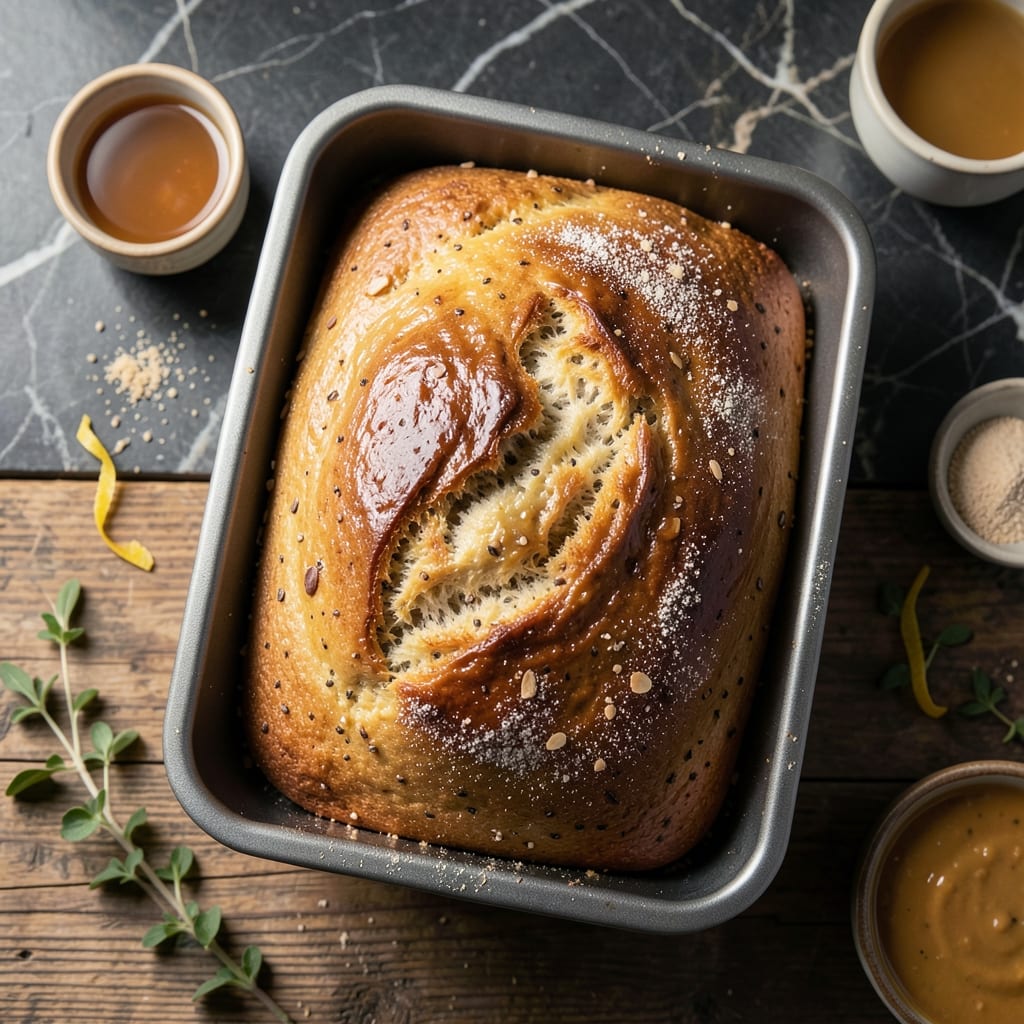
Bread machines aren’t just for traditional loaves anymore. This low-carb version delivers the same soft, pillowy texture you love, but with a fraction of the carbs.
Using yeast ensures proper rise and structure, while carefully selected ingredients keep it light and airy. The machine does most of the work, making it foolproof for beginners.
What you get is a loaf that slices cleanly, toasts beautifully, and satisfies that bread craving without the guilt. It’s perfect for sandwiches, toast, or simply enjoying warm with butter.
No special equipment required—just your trusty bread machine and a few pantry staples. This is the low-carb bread you’ve been searching for.
Ingredients for Low Carb Bread Machine Recipe with Yeast
Pantry staples plus a quick yeast check. Nothing complicated, just smart swaps.
| Ingredient | Amount | Notes |
|---|---|---|
| Warm Water 💧 | 1 ¼ cups | 110°F, not hotter |
| Active Dry Yeast 🍞 | 2 ¼ tsp | One packet plus extra |
| Almond Flour 🌰 | 2 cups | Blanched, fine texture |
| Coconut Flour 🥥 | ½ cup | Sifted to avoid clumps |
| Psyllium Husk Powder 🌾 | ¼ cup | Vital for structure |
| Eggs 🥚 | 4 whole | Large, room temperature |
| Apple Cider Vinegar 🍏 | 1 tbsp | Balances flavor |
| Olive Oil 🫒 | 2 tbsp | Mild flavor preferred |
| Granulated Erythritol 🍚 | 2 tbsp | Optional sweetener |
| Salt 🧂 | 1 tsp | Fine sea salt |
| Baking Powder 🧪 | 1 tsp | Ensures lift |
| Xanthan Gum ✨ | ½ tsp | Thickens and stabilizes |
[recipe_ingredient_scaler]
The yeast is non-negotiable here—Red Star or Fleischmann’s are my go-tos, and always check the expiration date. Almond flour from Costco is a steal, but Bob’s Red Mill has the most consistent texture. Psyllium husk powder (not the whole husks) is key—NOW Foods or Anthony’s brands work great. If your coconut flour has lumps, sift it (don’t skip this part).
No psyllium husk? Ground flaxseed at half the amount can work, but texture won’t be as good. Swap erythritol for monk fruit sweetener if preferred. Apple cider vinegar can be white vinegar or lemon juice in a pinch. Xanthan gum is pricey—bulk bins at Whole Foods save money. For extra rise, let the eggs come to room temp first (worth the extra minute).
Store almond and coconut flours in the freezer—they go rancid fast. 1 week on the counter, 3 months frozen. Psyllium husk keeps forever in a cool, dry place. The loaf itself stays fresh for 5 days wrapped tightly, or slice and freeze for 2 months.
Why You’ll Love This Recipe
- Hands-Off Baking: The bread machine does all the work—I just measure the almond flour, coconut flour, and psyllium husk, then let the yeast do its magic.
- Nutty & Hearty: The blend of almond and coconut flour gives it a rich, toasty flavor that’s way more satisfying than store-bought low-carb bread.
- Meal Prep Hero: I make a loaf on Sunday and use it for sandwiches, toast, or even as a base for mini pizzas all week long.
- Budget-Friendly Staple: Almond flour isn’t cheap, but a little goes a long way here, and it’s still cheaper than buying specialty low-carb bread at the store.
Step-by-Step Instructions for Low Carb Bread Machine Bread
Here’s my tested method for achieving perfect texture and rise in your bread machine.
Step 1: Activate the Yeast Properly
Start by adding the 1.25 cups Warm Water to your bread machine pan. The water should feel warm but not hot—around 110°F is ideal. If it’s too hot, it will kill the yeast; too cold, and it won’t activate properly.
Sprinkle the 2.25 tsp Active Dry Yeast evenly over the water. I let it sit for 5 minutes until it becomes foamy on top. This visual confirmation tells you the yeast is active and ready to do its job of creating that fluffy texture we’re after.
Step 2: Combine Dry Ingredients Thoroughly
In a separate bowl, whisk together the 2 cups Almond Flour, 0.5 cup Coconut Flour, 0.25 cup Psyllium Husk Powder, 1 tsp Salt, 1 tsp Baking Powder, and 0.5 tsp Xanthan Gum. The xanthan gum is particularly important here—it mimics the elasticity of gluten in traditional bread.
Psyllium husk powder is what gives this bread its structure, so make sure it’s well-distributed in the dry mix. I sift the coconut flour first to prevent any clumps from forming in the finished loaf. The mixture should look uniform with no visible streaks of individual ingredients.
Step 3: Add Wet Ingredients and Mix
Once the yeast is foamy, add the 2 tbsp Olive Oil, 1 tbsp Apple Cider Vinegar, 2 tbsp Granulated Erythritol, and 4 whole Eggs to the bread machine pan. The vinegar helps balance the flavors and creates a better rise.
Then, carefully add the dry ingredient mixture on top of the wet ingredients. Don’t stir or mix anything at this point—the bread machine will handle the mixing. I’ve found that layering the ingredients this way prevents the yeast from activating prematurely before the machine starts its cycle.
Step 4: Select the Right Bread Machine Setting
Choose the “basic” or “white bread” setting on your machine with a medium crust option. The entire cycle should take about 3-4 hours, depending on your specific model. Most low carb bread machine recipes benefit from a slightly longer rise time.
About 10 minutes into the cycle, check that the dough has formed a smooth ball. If it looks too dry, add 1-2 tablespoons of warm water. If it’s too sticky, sprinkle in 1 tablespoon of almond flour. The dough should be tacky but not wet, and should pull away from the sides of the pan.
Step 5: Cool Completely Before Slicing
When the cycle completes, immediately remove the pan from the machine and let the bread cool in the pan for 5 minutes. This prevents the bottom from becoming soggy. Then, transfer the loaf to a wire rack to cool completely for at least 1 hour.
I know it’s tempting to slice into that warm, fragrant loaf right away, but cooling is crucial. Low carb breads are more delicate when warm and need time to set properly. Once cooled, you’ll have a beautiful loaf with a golden crust and soft, fluffy interior—just like the title promised.
Pro Tips For Making Low Carb Bread Machine Recipe With Yeast
- Proof the Yeast: Always activate your yeast in warm water (110°F) with a pinch of sugar first—if it doesn’t bubble within 5 minutes, your bread won’t rise. I learned this the hard way after wasting three batches of almond flour.
- Balance the Flours: Use a 2:1 ratio of almond flour to coconut flour, and don’t skip the psyllium husk—it’s the glue that holds this low-carb dough together. Sounds weird, but it works.
- Avoid Dense Loaves: Resistance the urge to overmix the dough in the machine—low-carb flours get gummy fast. Mix just until combined, then let the machine do its thing.
- Check Early: Start testing for doneness 10 minutes before the machine’s timer goes off—low-carb breads bake faster than traditional ones. A toothpick should come out clean, not wet.
Wine and Beer Pairings for low carb bread machine recipe with yeast
Light Beer Pairings
I love a crisp Michelob Ultra or Corona Premier with this bread. The light carbonation cuts through the richness while complementing the nutty almond flour. These beers have 2-3 grams of carbs, keeping your meal low-carb friendly. 🍺
Dry White Wines
A chilled Pinot Grigio from Italy pairs beautifully—the citrus notes balance the bread’s earthy tones. Try Santa Margherita for a consistent, dry option. The acidity refreshes your palate between bites.
Sparkling Water Alternatives
For a non-alcoholic option, San Pellegrino with a lime wedge offers the same palate-cleansing effect. The effervescence mimics beer’s carbonation, enhancing the bread’s texture. I always keep a bottle in my fridge.
Red Wine Options
If you prefer red, go for a light-bodied Pinot Noir like Meiomi. Its subtle fruit notes won’t overpower the bread’s delicate flavor. Serve slightly chilled for the best experience.
Craft IPA Pairing
For beer lovers, a session IPA like Lagunitas DayTime (4% ABV, 98 calories) offers hoppy contrast without carb overload. The bitterness complements the bread’s subtle sweetness.
Rosè All Day
In warmer months, I reach for a dry Provence rosé. Its berry notes and crisp finish make it a refreshing match. Look for wines under $20 at Trader Joe’s for great value. 💛
Nutrition Facts
Frequently Asked Questions
Why does this need both almond and coconut flour?
Almond flour provides moisture and a mild flavor, while coconut flour absorbs liquid and adds structure. Together, they create the perfect texture that neither could achieve alone.
Can I skip the xanthan gum?
Not recommended. Xanthan gum mimics gluten’s elasticity, which is crucial for rise and texture. Without it, the loaf may be dense or crumbly.
What if my bread machine doesn’t have a gluten-free setting?
Use the basic or white bread setting with medium crust. Check the dough at 10 minutes and adjust liquid if needed for proper consistency.
How do I store leftovers?
Wrap tightly in plastic or foil at room temperature for up to 5 days. For longer storage, slice and freeze for up to 2 months.

Trained in classic French technique but raised on slow-cooked ribs and spicy rubs, she blends culinary skill with smoke and soul.
- Recipe for Boneless Pork Chops in Cast Iron Skillet: Sear and Baste to Juicy Perfection - October 3, 2026
- Recipe for Boneless Cross Rib Roast: Slow-Roasted Beef with Herb Crust - October 3, 2026
- Hamburgers in Sauce Recipe Crock Pot: Slow-Cooked Savory Delight - October 3, 2026