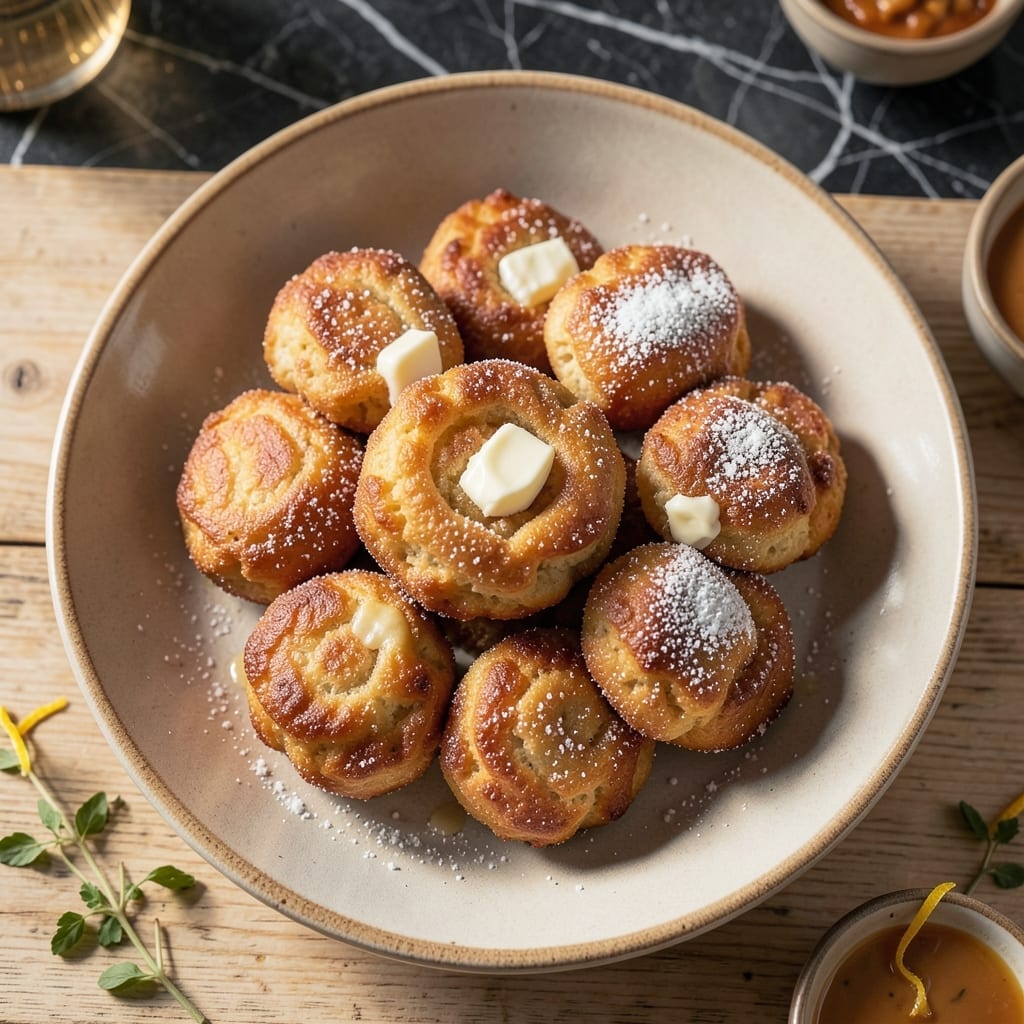
This Caribbean-style fried bread delivers golden crisp perfection with every bite. I learned to make these from a Trinidadian friend who swore by the simple dough and hot oil technique.
The dough comes together quickly with basic pantry staples, requiring just 15 minutes of rest before frying. The key is maintaining the right oil temperature to achieve that signature puffed, crispy exterior.
What emerges from the fryer is bread that’s airy inside with a shatteringly crisp shell. These are best served warm, often split and stuffed with saltfish or jam for a true island experience.
Perfect for breakfast, snacks, or as a side to any Caribbean meal. Here’s how to make them at home.
Ingredients for Recipe for Fried Bakes
Basic pantry staples transform into golden crisp Caribbean bread with ease.
| Ingredient | Amount | Notes |
|---|---|---|
| All-Purpose Flour 🌾 | 4 cups | Plus extra for dusting |
| Baking Powder 🧂 | 1 tbsp | Ensures proper rise |
| Granulated Sugar 🍚 | 1 tbsp | Balances the savory notes |
| Salt 🧂 | 1 tsp | Fine sea salt preferred |
| Unsalted Butter 🧈 | 4 tbsp | Melted and slightly cooled |
| Water 💧 | 1 ¼ cups | Warm to activate yeast |
| Active Dry Yeast 🍃 | 1 tsp | Proofed in warm water |
| Vegetable Oil 🫒 | 4 cups | For deep frying |
| Large Egg 🥚 | 1 whole | Lightly beaten for binding |
| Vanilla Extract 🌿 | 1 tsp | Pure extract for best flavor |
| Nutmeg 🌰 | ¼ tsp | Freshly grated preferred |
[recipe_ingredient_scaler]
The flour is the foundation here. King Arthur or Gold Medal all-purpose work perfectly for that light, airy texture. Baking powder freshness is key—check the expiration date, as old leaveners lose potency. For the yeast, Fleischmann’s or Red Star are reliable brands. The butter should be unsalted to control sodium levels precisely (worth the extra minute).
No yeast on hand? Instant yeast at the same amount works without proofing. Out of baking powder? Baking soda plus cream of tartar in equal parts can substitute, but flavor may differ slightly. For a richer dough, whole milk instead of water adds depth (use what you have). The nutmeg can be omitted if you prefer a plainer flavor.
Store dough covered at room temperature for up to 2 hours before frying. Fried bakes keep 2-3 days in an airtight container but are best served fresh. Reheat in a 350°F oven for 5 minutes to restore crispness if needed.
Why You’ll Love This Recipe
- One Bowl Wonder: I mix the flour, baking powder, sugar, and butter in one bowl—no fuss, no extra dishes.
- Buttery Heaven: The unsalted butter makes them rich and flaky, with just the right touch of sweetness from the sugar.
- Breakfast or Snack: We eat them warm for breakfast or pack them for an afternoon treat—so versatile.
Step-by-Step Instructions for Fried Bakes
Master these steps to achieve the signature golden, flaky texture that defines authentic Caribbean fried bakes.
Step 1: Activate the Yeast and Prepare Wet Ingredients
In a small bowl, combine the 1.25 cups warm water with the 1 tsp active dry yeast and the 1 tbsp granulated sugar. Stir gently and let sit for 5-7 minutes until the mixture becomes frothy and cloudy—this confirms your yeast is active and ready to leaven the dough.
In a separate bowl, whisk together the 1 whole large egg, the 4 tbsp melted unsalted butter (cooled to room temperature), and the 1 tsp vanilla extract. The butter should be warm but not hot to avoid cooking the egg. This wet mixture will bind the dry ingredients and add richness to the dough.
Step 2: Combine Dry Ingredients and Form the Dough
In a large mixing bowl, sift together the 4 cups all-purpose flour, the 1 tbsp baking powder, the 1 tsp salt, and the 0.25 tsp nutmeg. This sifting step aerates the flour and ensures even distribution of leavening agents for a consistent rise.
Make a well in the center of the dry ingredients and pour in the yeast mixture and the egg-butter mixture. Using a wooden spoon or your hands, gradually incorporate the wet ingredients into the dry until a shaggy dough forms. Turn the dough out onto a lightly floured surface and knead for 8-10 minutes until smooth and elastic.
Step 3: First Rise and Shape the Bakes
Place the kneaded dough in a lightly greased bowl, cover with a clean kitchen towel, and let it rise in a warm, draft-free place for 1 to 1.5 hours, or until doubled in volume. I find that placing it near a warm oven (turned off) or in a slightly warmed microwave works well.
Once risen, punch down the dough to release the air. Divide it into 8 equal portions and shape each into a smooth ball. Flatten each ball into a disc about ½-inch thick. Place the shaped bakes on a floured surface, cover, and let them rest for an additional 20-30 minutes to relax the gluten.
Step 4: Deep Fry to Golden Perfection
In a deep, heavy-bottomed pot or Dutch oven, heat the 4 cups vegetable oil to 350-360°F. Use a deep-fry or candy thermometer to monitor the temperature accurately. The oil is ready when a small piece of dough dropped in sizzles and floats to the surface immediately.
Carefully slide 2-3 bakes at a time into the hot oil, being careful not to overcrowd the pot. Fry for 3-4 minutes per side until they are golden brown and puffed. Use a slotted spoon to turn them halfway through frying. Drain the fried bakes on a paper towel-lined plate to remove excess oil.
Serve warm for the best texture—crispy on the outside and soft, flaky inside. These are best enjoyed fresh but can be reheated in a dry skillet to restore their crispness.
Pro Tips For Making Recipe For Fried Bakes
- Chill the Butter: Keep your unsalted butter ice-cold until the last moment—sounds weird, but it works: this prevents it from melting into the dough too early and ruining the flaky layers.
- Don’t Overmix: I learned this the hard way—mix just until the dough comes together. Overworking it makes fried bakes tough instead of tender.
- Test the Oil: Drop a tiny piece of dough in first. If it sizzles and floats immediately, the oil’s ready—about 350°F is the sweet spot.
- Use Fresh Baking Powder: After a few flat batches, I finally figured out that old baking powder loses its punch. Swap it every 6 months for reliable rise.
Common Mistakes When Making This Dish
Wrong Oil Temperature
If your oil isn’t hot enough, the bakes will absorb grease instead of frying crisp. I always use a candy thermometer to maintain 350-360°F. Too hot, and they’ll brown outside before cooking through. 🌡️
Overcrowding the Pot
Frying too many at once drops the oil temperature and causes uneven cooking. Stick to 2-3 bakes at a time in a 5-quart Dutch oven. This gives each piece room to puff properly.
Skipping the Rest
Rushing the 20-30 minute rest after shaping leads to tough bakes. The gluten needs time to relax for that signature flaky texture. I set a timer to remind myself.
Insufficient Kneading
Under-kneaded dough won’t develop enough gluten for proper structure. I knead for the full 8-10 minutes until the dough feels smooth and elastic. Your arms will thank you later!
Old Leaveners
Using expired baking powder or yeast means your bakes won’t rise properly. I check expiration dates and test yeast by proofing in warm water first. Freshness makes all the difference.
Improper Draining
Leaving fried bakes on a regular plate makes them soggy. Always use a paper towel-lined plate or wire rack to drain excess oil. This keeps them crisp for serving. 💪
Nutrition Facts
Frequently Asked Questions
Can I make these without yeast?
Yes! Replace the yeast with an extra 1 tbsp baking powder for quick-rise versions. The texture will be slightly denser but still delicious. Skip the proofing step and fry immediately after shaping.
How do I get them extra crispy?
Double-fry for maximum crunch: fry once at 325°F for 2 minutes, rest 5 minutes, then fry again at 375°F until golden. This creates a shatteringly crisp exterior.
What’s the best way to reheat?
Use a dry skillet over medium heat for 1-2 minutes per side. Avoid microwaving as it makes them soggy. For oven reheating, 350°F for 5 minutes works well.
Can I freeze the dough?
Yes! Shape into discs, wrap individually in plastic, then freeze for up to 1 month. Thaw in the fridge overnight before frying. This saves time for busy mornings.

Trained in classic French technique but raised on slow-cooked ribs and spicy rubs, she blends culinary skill with smoke and soul.
- Recipe for Boneless Pork Chops in Cast Iron Skillet: Sear and Baste to Juicy Perfection - October 3, 2026
- Recipe for Boneless Cross Rib Roast: Slow-Roasted Beef with Herb Crust - October 3, 2026
- Hamburgers in Sauce Recipe Crock Pot: Slow-Cooked Savory Delight - October 3, 2026